
Romania Monastery Hotels and Slovenia Sacred Hospitality Lead Central Europe Heritage Travel
Romania preserves functioning Orthodox monasteries while Slovenia perfects the adaptive reuse of former monastic estates into boutique retreats.

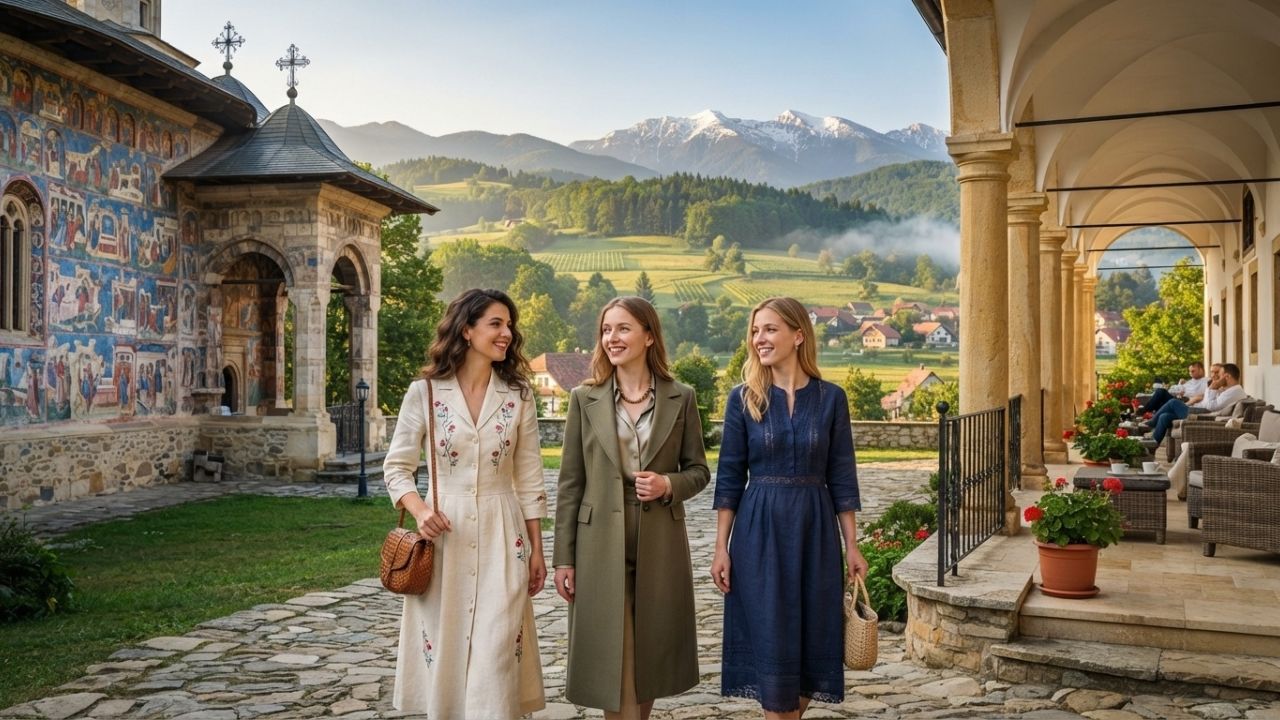
Image generated by AI
While Romania preserves its UNESCO-listed painted monasteries as active, living Orthodox communities supported by local village guesthouses, neighboring Slovenia has successfully repurposed former monastic estates like Mekinje into luxury boutique retreats and cultural quarters. This dual-model approach in Central Europe is redefining heritage-led hospitality and sustainable rural travel.
The historic religious sanctuaries of Central Europe are initiating a significant transition in heritage travel. For generations, the medieval monasteries of Romania and the ancient charterhouses of Slovenia served as quiet centers of spiritual reflection and cultural preservation. Today, these sites are becoming key drivers of sustainable tourism. The development of heritage-based lodging within and around these landmarks is revitalizing rural economies and upgrading the quality of cultural travel while protecting environmental integrity.
Rather than commercializing these protected monuments, local planners are implementing models that protect the sacred character of the sites. This approach meets the growing demand among international travelers for authentic, slow-travel experiences. By offering opportunities for quiet contemplation, Central Europe is establishing a sustainable alternative to conventional resort-based tourism.
The Local Trend Revealed
Unlike several Western European nations that converted dozens of religious buildings into commercial hotels during the twentieth century, Romania has chosen a preservation-first path. Most of the country's best-known sanctuaries remain active Orthodox communities. Here, monastics preserve traditional worship, manuscript conservation, and iconography. Romania’s UNESCO-protected listings include the 8 Churches of Moldavia plus Horezu Monastery.
In the northern Bucovina region, the Painted Monasteries—including Voroneț, Moldovița, Humor, Arbore, Pătrăuți, Probota, Sucevița, and Saint George of Suceava—continue to function as active religious hubs. To accommodate visitors, local operators have developed heritage inns like Casa Cuza near Gura Humorului. This model keeps tourist infrastructure in neighboring villages, reducing development pressure around the protected monuments. Further south, the Vânători-Neamț Monastic Region includes Neamț, Agapia, and Văratec Monasteries, with Agapia and Văratec recognized as among the largest Orthodox monastic communities for women in the world.
Across the border, Slovenia demonstrates the potential of adaptive reuse. According to data tracked by the Slovenian Tourist Board, the country is home to 42 operating monasteries, 14 former monasteries, and several historic monastic ruins. Rather than leaving disused estates empty, developers are restoring these properties into boutique lodging, cultural venues, and wellness retreats.
Key examples of this model include:
- Mekinje Monastery: Located 25 kilometers north of Ljubljana in Kamnik, this former Poor Clares convent established in the fourteenth century has been restored as a tranquil heritage retreat focusing on simplicity and contemplation.
- Žiče Charterhouse: Founded around 1160, this site is the oldest Carthusian monastery in Central Europe. It hosts exhibitions and concerts, and features the Gastuž, which is regarded as one of the oldest operating inns in Slovenia.
- Maribor Minorite Monastery: Dating back to the thirteenth century and suppressed during the Josephine reforms of 1784, this complex was transformed into the Minoriti Cultural Quarter, hosting theaters and performance spaces.
Cultural & Environmental Value (Information Gain & Experience)
For the visitor, the real impact is the opportunity to support local preservation economies directly. Restoring historic stone walls and cloisters preserves the "embodied carbon" of these medieval buildings, avoiding the environmental impact of new hotel construction. Under the oversight of the Romanian National Institute of Heritage, this model channels tourism revenues directly into regional communities.
By staying in village guesthouses and boutique retreats, travelers help fund the restoration of historic frescoes, medieval woodcarvings, and local infrastructure. This decentralized hospitality model ensures that tourism development benefits local farmers, guides, and traditional craftsmen rather than large international hotel chains.
Visitor Insider Tips
To help you plan a respectful and rewarding journey through these historic regions, follow these local guidelines:
- Monastic Etiquette: Active Orthodox monasteries in Romania require modest dress: both men and women must cover their shoulders and knees. Women are traditionally expected to wear headscarves when entering active churches. Maintain silence and avoid taking photos during active services.
- Local Dining Specialties: Sample monastery-produced honey, local berry jams, and fresh bread baked by the monks. At traditional Bucovina inns, try sarmale (cabbage rolls stuffed with pork and rice, served with sour cream and polenta) and cozonac (sweet walnut bread). In Slovenia, visit the historic Gastuž inn near Žiče Charterhouse to enjoy a bowl of traditional mushroom soup served in a bread bowl.
- Off-Peak Visit Windows: Visit Bucovina in early autumn (September to October) when the changing foliage creates a backdrop for the painted exterior frescoes, and visitor numbers are low. For Slovenia's mountain retreats, spring (April to May) provides pleasant weather for exploring the Kamnik-Savinja Alps without the summer crowds.
- Under-the-Radar Spots: Explore the quiet forest hermitages around the Vânători-Neamț Monastic Region or walk through the historic herbal gardens at Žiče Charterhouse, where medieval monks grew medicinal plants.
- Restored Guesthouse Stays: Stay at restored heritage residences like Casa Cuza near Gura Humorului to enjoy regional timber design and reduce development pressure around the protected monuments themselves.
Tourism Outlook
The preservation and reuse of monastic estates are establishing Central Europe as a leader in sustainable cultural tourism. By focusing on authenticity and local storytelling, Romania and Slovenia are successfully attracting high-spending cultural travelers who seek deeper connections with destinations.
As international arrivals approach pre-pandemic highs of 1.4 million annually in Romania, the continued development of surrounding heritage infrastructure will determine how widely tourism benefits are shared. By prioritizing conservation over commercialization, both nations demonstrate that historical architecture can be protected through responsible, community-focused tourism.
Internal Connection
- London Restores Historic Whitehall Old War Office into Raffles London at The OWO luxury hotel
- UK Hotel Openings 2026: Fairmont Cheshire The Mere, Hyatt Regency London Olympia, Point A Edinburgh, and The Shepherd Mayfair Launch Across London, Edinburgh, and Cheshire — Boosting Luxury Tourism, Golf Travel, Business Events, and City Breaks: New Update
- Colchester Named UK's Driest Summer City as England Rainfall Drops Sharply in 2026 Report
Disclaimer
This article is for informational and educational purposes only. It does not constitute legal, financial, or professional advice. While we strive to provide accurate and up-to-date information, travel policies, regulations, and conditions change rapidly. Always verify information with official sources before making travel decisions. Nomad Lawyer makes no representations about the accuracy, reliability, completeness, or suitability of the information provided. Readers should consult qualified professionals for advice specific to their circumstances. The views expressed in this article are those of the author and do not necessarily reflect the views of Nomad Lawyer.
Kunal K Choudhary
Co-Founder & Contributor
A passionate traveller and tech enthusiast. Kunal contributes to the vision and growth of Nomad Lawyer, bringing fresh perspectives and driving the community forward.
Learn more about our team →