
Rajasthan Records Nearly 62 Million Tourist Visits in Q1 2026
Rajasthan records nearly 62 million tourist visits in Q1 2026, driven by domestic pilgrimage and international heritage tourism. The surge reflects strong recovery in India's travel sector.

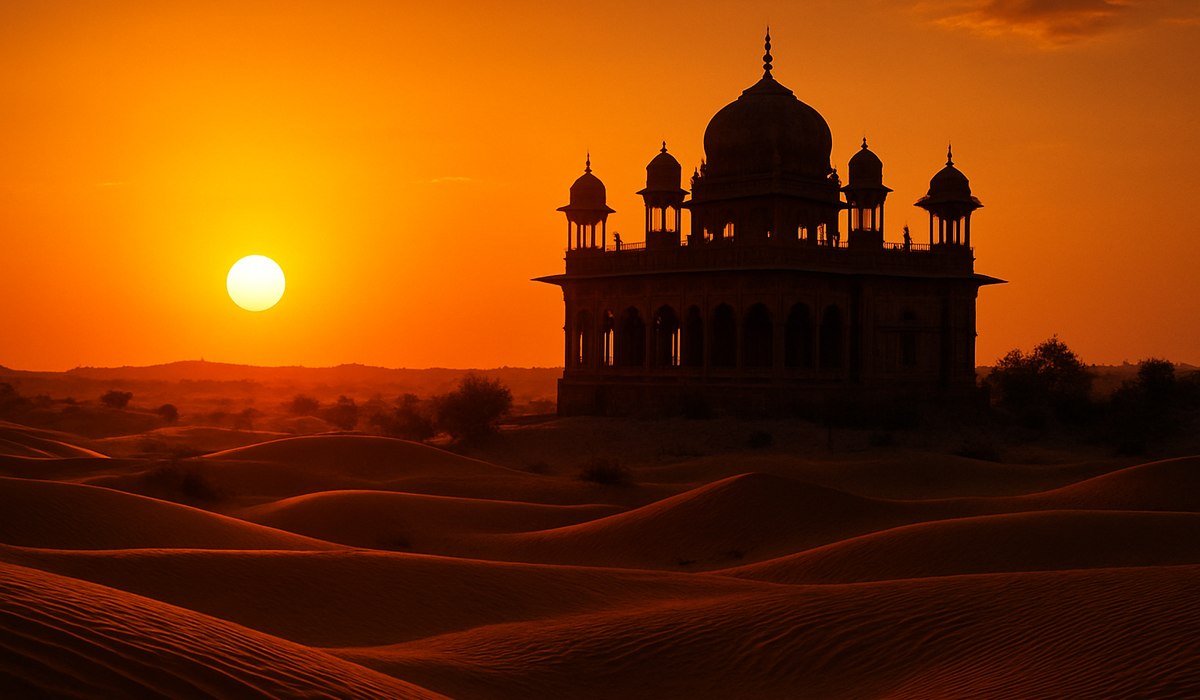
Image generated by AI
Rajasthan Welcomes 62 Million Visitors as Tourism Rebounds in Early 2026
Rajasthan attracted nearly 62 million tourist visits during the first quarter of 2026, according to official data released by the state's Department of Tourism. This significant volume underscores the state's position as India's premier travel destination, combining spiritual pilgrimage, architectural heritage, and wildlife experiences. The quarterly surge reflects strengthening domestic travel patterns alongside growing international interest in Rajasthan's iconic monuments and natural landscapes. Domestic travelers remain the dominant segment, fueled by religious pilgrimage to sacred sites across the state.
Rajasthan's Tourism Boom: 62 Million Visitors in First Quarter
The Q1 2026 performance demonstrates Rajasthan's sustained appeal across multiple tourism segments. January through March represents the peak travel season in northern India, when cooler temperatures attract both domestic families and international explorers. The 62 million visitor count encompasses all tourism categories—day visitors, overnight stays, and pilgrims conducting religious journeys.
This quarterly milestone positions Rajasthan among India's fastest-growing tourism destinations. The state's tourism infrastructure has expanded significantly, with improved airport connectivity, enhanced railway facilities, and upgraded accommodation options supporting higher visitor volumes. Hotels, heritage properties, and budget lodges across Jaipur, Udaipur, Jodhpur, and Pushkar reported strong occupancy rates throughout the quarter. This growth trajectory suggests sustained momentum into the second half of 2026, with monsoon season potentially attracting adventure travelers seeking offseason deals. For more context on India's tourism growth, see recent Ministry of Tourism reports on domestic and international visitor statistics.
Domestic Pilgrimage Drives Core Growth
Pilgrimage remains the backbone of Rajasthan's tourism engine, with domestic visitors accounting for the majority of Q1 arrivals. Sacred sites including Ajmer Sharif Dargah, Pushkar Lake temples, Mehandipur Balaji Temple, and Khimsar Shri Mahavir Temple attracted millions of devotees seeking spiritual experiences. These pilgrimage destinations draw consistent year-round traffic, with particular surges during Hindu and Islamic festival seasons.
The pilgrimage segment's resilience reflects India's strong cultural and religious tourism traditions. Many Indian families plan annual pilgrimages during school holidays and festival periods, contributing substantial revenue to local economies. Rajasthan's geographical position as a crossroads between northern India's major pilgrimage circuits enhances its appeal. Hotels, restaurants, and local vendors within pilgrimage zones experience peak demand during these periods, supporting small business growth across rural and semi-urban areas. Religious tourism also drives longer average stays compared to heritage tourism, as pilgrims often spend multiple days at sacred locations conducting rituals and ceremonies.
Heritage and Wildlife Capture International Interest
While domestic pilgrims form the majority, international visitors gravitate toward Rajasthan's unparalleled architectural heritage and wildlife reserves. Magnificent forts and palaces including Mehrangarh Fort in Jodhpur, City Palace in Jaipur, and Lake Palace in Udaipur consistently rank among India's most visited heritage sites. The state's seven UNESCO World Heritage Sites provide structured heritage tourism experiences attracting discerning international travelers.
Wildlife tourism has emerged as a secondary but growing segment, with Ranthambore National Park, Desert National Park, and Keoladeo National Park offering safari experiences and bird watching opportunities. International guests typically spend 7-14 days in Rajasthan, combining heritage exploration with wellness retreats and wildlife encounters. This extended stay pattern generates higher per-visitor expenditure compared to domestic pilgrimage tourism. Tourism experts from Incredible India note that international visitor spending in heritage destinations significantly exceeds domestic visitor expenditure, making this segment economically crucial despite lower volumes. Quality tourism infrastructure catering to premium international segments continues expanding, with luxury resorts and boutique hotels establishing strong positions in heritage-adjacent locations.
What This Means for Nomadic Workers and Remote Explorers
For digital nomads and location-independent professionals, Rajasthan's tourism surge carries several practical implications. The influx of 62 million visitors in Q1 2026 signals increased congestion at major attractions during peak hours, potentially affecting work-from-cafe feasibility in touristy areas. However, this growth also incentivizes better infrastructure development—improved internet connectivity, expanded coworking spaces, and enhanced accommodation options increasingly cater to remote workers alongside traditional tourists.
Smart nomads can leverage this information strategically: visiting heritage sites during shoulder months (April-May or September-October) offers superior experiences with manageable crowds. Rajasthan's mid-tier cities including Jodhpur, Udaipur, and Jaisalmer increasingly offer reliable high-speed internet and affordable long-term accommodation, making them ideal bases for remote work. The tourism boom attracts international chain hotels and boutique properties offering reliable power backup, quality WiFi, and professional workspaces—essential for serious digital workers. Consider timing visits to avoid peak pilgrimage seasons (Diwali, Holi, Eid) when connectivity strains and accommodation prices surge significantly.
Key Tourism Data: Rajasthan Q1 2026 Snapshot
| Metric | Figure | Notes |
|---|---|---|
| Total Tourist Visits (Q1 2026) | 62 million | January–March period |
| Domestic Visitors (estimated) | 48-50 million | Primary pilgrimage segment |
| International Visitors (estimated) | 12-14 million | Heritage and wildlife focus |
| Top Pilgrimage Sites | Ajmer, Pushkar, Mehandipur | Multi-million visits combined |
| UNESCO World Heritage Sites | 7 locations | Primary international draw |
| Major Wildlife Reserves | 3 national parks | Secondary but growing segment |
| Peak Tourism Month | March | Optimum weather window |
FAQ: Rajasthan Tourism Q1 2026
What caused the 62 million visitor surge in Rajasthan during Q1 2026?
Multiple factors drove this volume: favorable weather conditions during January-March, school holidays for domestic families, major Hindu and Islamic festivals, improved transportation infrastructure, and growing international awareness of Rajasthan's heritage sites. Pilgrimage tourism provided the foundation, while heritage and wildlife sectors contributed additional growth.
Which visitor segment dominates Rajasthan's Q1 2026 tourism?
Domestic pilgrimage tourism forms the largest segment, representing approximately 75-80% of total visits. Pilgrims traveling to sacred destinations like Ajmer Sharif and Pushkar Lake constitute millions of visitors. International heritage tourists represent the second-largest segment, focusing on forts, palaces, and UNESCO sites.
Is Rajasthan experiencing over-tourism concerns in 2026?
While congestion exists at major sites during peak hours, the state's tourism infrastructure continues expanding to accommodate demand. Heritage sites are implementing visitor management systems, timed entry mechanisms, and capacity limits to preserve monuments. Regional tourism distribution beyond Jaipur-Udaipur-Jodhpur triangle is improving visitor dispersal.
What's the best time for remote workers to visit Rajasthan?
April-May and September-October offer optimal conditions: fewer crowds, manageable heat (April-May remains warm), reliable connectivity, and available accommodation at reasonable rates. Avoid December-March peak season and monsoon months (July-August) when infrastructure strains occur.
Related Travel Guides
Disclaimer
This article is for informational and educational purposes only. It does not constitute legal, financial, or professional advice. While we strive to provide accurate and up-to-date information, travel policies, regulations, and conditions change rapidly. Always verify information with official sources before making travel decisions. Nomad Lawyer makes no representations about the accuracy, reliability, completeness, or suitability of the information provided. Readers should consult qualified professionals for advice specific to their circumstances. The views expressed in this article are those of the author and do not necessarily reflect the views of Nomad Lawyer.
Kunal K Choudhary
Co-Founder & Contributor
A passionate traveller and tech enthusiast. Kunal contributes to the vision and growth of Nomad Lawyer, bringing fresh perspectives and driving the community forward.
Learn more about our team →