
Punjab Traffic Police Deploy Body Cameras in Jalandhar for Roadside Transparency
Jalandhar Commissionerate Police introduce body-worn cameras for traffic enforcement to reduce disputes and increase accountability during roadside checks.

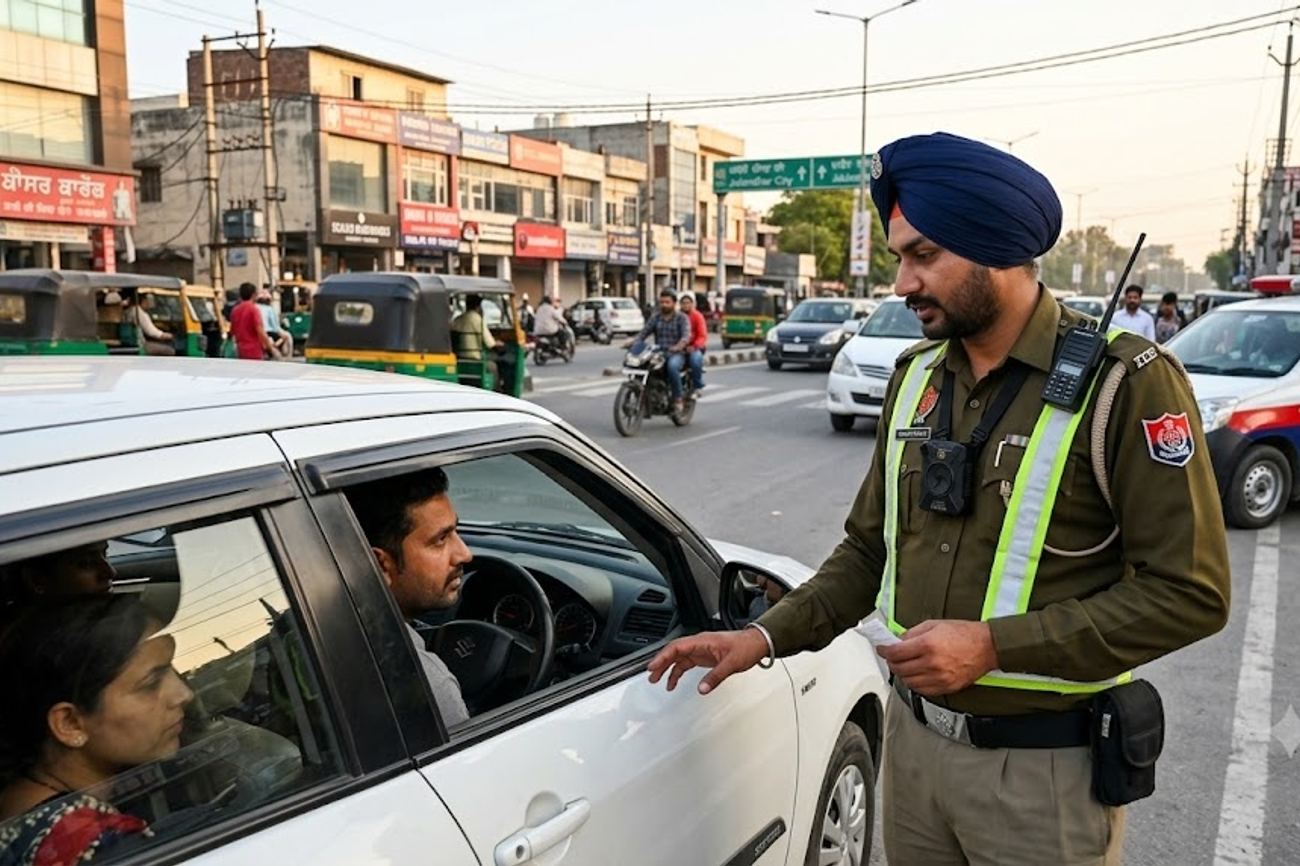
Image generated by AI
In a strategic shift toward technology-led policing, Punjab’s Jalandhar Commissionerate has deployed body-worn cameras for its traffic police force. Launched in September 2026, the initiative aims to create an objective, independent record of all interactions between enforcement officers and motorists, including commercial drivers and tourists.
The rollout follows a specific catalyst: a confrontation in the Jalandhar Cantonment area between a traffic officer and a truck operator. During a license verification via mobile phone, a dispute escalated, leading to allegations that the officer slapped the driver. The officer was subsequently reassigned to Police Lines, with senior officials citing the incident as a failure of professionalism.
To prevent similar occurrences, the department is implementing a recorded evidence system. This ensures that challan processes, document verifications, and vehicle inspections are documented in real-time, protecting both the commuter from misconduct and the officer from false allegations.
Key Facts Breakdown:
- Implementation Date: September 2026.
- Jurisdiction: Jalandhar Commissionerate Police (Traffic Unit).
- Initial Deployment: 20 body cameras.
- Scaling Target: 100 cameras.
- Primary Focus: High-traffic intersections and sensitive urban zones.
- Core Objective: Reduction of illegal payment demands and the use of personal influence to bypass penalties.
Data Table: Deployment Specifications
| Category | Details |
|---|---|
| Police Department | Jalandhar Commissionerate Police |
| Unit Using Cameras | Traffic Police |
| Initial Units Provided | 20 |
| Officer Coverage | All ranks |
| Deployment Areas | Busy and sensitive intersections |
| Future Target | 100 body cameras |
| Long-term Objective | Majority of traffic officers equipped |
Why This Matters
From a logistical and legal perspective, this move addresses a systemic friction point in Indian road travel: the "he-said, she-said" nature of roadside disputes. For commercial operators and interstate travelers, the real impact is the removal of ambiguity during the challan (fine) process.
Our analysis suggests this will significantly curb "influence-peddling," where violators attempt to use personal connections to avoid fines. By creating a digital audit trail, the Jalandhar police are effectively neutralizing the ability of motorists to negotiate penalties through outside pressure. For the traveler, this means a more predictable, professional, and standardized enforcement experience, reducing the stress associated with document verification.
Industry Outlook
The Jalandhar pilot serves as a blueprint for broader Punjab state deployment. Expect a transition toward integrated "Smart Policing" where body-cam footage is linked to central traffic management systems.
For the aviation and travel industry, this signals a trend toward "Transparent Transit" across Indian urban hubs. As road enforcement becomes digitized, we expect a corresponding push for digital integration in other transit touchpoints, reducing human-led discretion and increasing reliance on evidence-based enforcement.
Internal Link Suggestions:
- Guide to Digital Documentation for Indian Road Travel
- Trends in Smart City Traffic Management 2026
- Comparing Global Police Body-Cam Regulations
Related Travel Guides
Disclaimer
This article is for informational and educational purposes only. It does not constitute legal, financial, or professional advice. While we strive to provide accurate and up-to-date information, travel policies, regulations, and conditions change rapidly. Always verify information with official sources before making travel decisions. Nomad Lawyer makes no representations about the accuracy, reliability, completeness, or suitability of the information provided. Readers should consult qualified professionals for advice specific to their circumstances. The views expressed in this article are those of the author and do not necessarily reflect the views of Nomad Lawyer.
Kunal K Choudhary
Co-Founder & Contributor
A passionate traveller and tech enthusiast. Kunal contributes to the vision and growth of Nomad Lawyer, bringing fresh perspectives and driving the community forward.
Learn more about our team →