
Americas Hospitality Sector Pivot: AI Automation Integrates with Human-Centric Guest Services
Canada, USA, and Latin American nations are balancing AI automation with human-led guest services in 2026 to enhance tourism and visitor experiences.

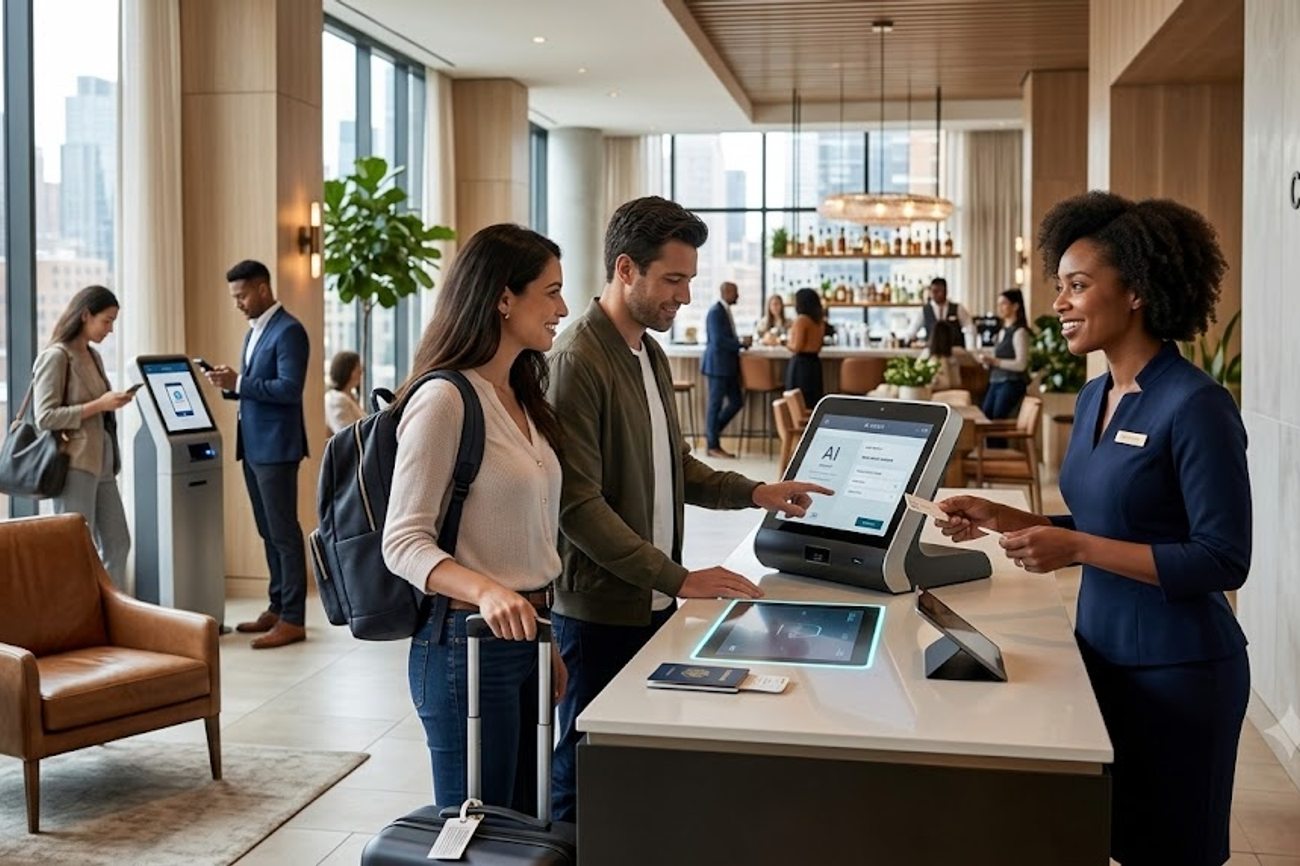
Image generated by AI
Hybrid Service Models Reshape North American Tourism
The hospitality landscape across the Americas is undergoing a fundamental shift in 2026, as operators move away from the idea of AI as a replacement for staff and toward a model of "collaborative intelligence." In Canada and the United States, tourism businesses are now deploying advanced automation to manage high-volume, routine tasks, which effectively frees human professionals to focus on high-value guest interactions and complex problem-solving.
This strategic pivot recognizes that while digital efficiency can accelerate a check-in process or handle a booking request, it cannot replicate the empathy, creativity, and cultural nuance required for a truly memorable travel experience. By integrating smart systems with human-led service, the industry is attempting to meet the rising expectations of modern travelers who demand both instantaneous digital responses and genuine personal attention.
Strategic AI Implementation Across the Americas
The adoption of automation varies by region, reflecting the specific tourism drivers of each nation. In the United States, the focus is heavily weighted toward removing "transactional friction." Major hotel groups and resorts are utilizing predictive guest profiles and dynamic pricing to streamline the journey, ensuring that by the time a guest interacts with a human staff member, the employee already possesses the data needed to provide a highly personalized recommendation.
Canada has adopted a similar trajectory but with a distinct emphasis on protecting the "authentic" nature of its tourism. In urban centers and ski resorts, AI booking assistants and smart energy systems handle the logistics, while human guides lead Indigenous tourism experiences and outdoor adventures. This ensures that the technological layer remains invisible, supporting the guest's journey without overshadowing the human connection to the land and culture.
Further south, Mexico and the Caribbean nations are leveraging AI to manage the scale of all-inclusive resorts. Multilingual chatbots and automated request systems allow these high-capacity destinations to maintain speed and efficiency, while resort hosts and wellness professionals provide the warmth and hospitality that remain the hallmark of the region's appeal.
Regional Breakdown of AI and Human Service Integration (2026)
| Country | AI Automation Adoption in Guest Experience (2026) | Human-Led Service Focus | Key Technologies and Applications | Why This Balance Matters for Tourism |
|---|---|---|---|---|
| United States | Very high adoption among major hotel groups, resorts and travel companies | Personal concierge support, luxury service, personalised recommendations and relationship management | AI chatbots, digital concierges, smart rooms, predictive guest profiles, automated messaging, dynamic pricing | The US hospitality sector is using AI to remove transactional friction while allowing employees to deliver higher-value experiences. AI helps staff understand guest preferences before interaction rather than replacing human service. |
| Canada | Rapid adoption in urban hotels, ski resorts and business properties | Local expertise, Indigenous tourism experiences, outdoor adventure guidance and personalised guest care | AI booking assistants, automated guest communication, smart energy systems and digital check-in | Canadian tourism depends heavily on authentic local experiences, making human interaction essential alongside technology-driven convenience. |
| Mexico | Strong growth, especially in resorts and large leisure destinations | Resort hosts, cultural guides, wellness professionals and personalised holiday support | AI-powered booking platforms, multilingual chatbots, automated requests, guest data analysis | Mexico’s all-inclusive and luxury resort markets use AI to improve speed and efficiency while maintaining warm hospitality traditions. |
| Costa Rica | Growing technology adoption in eco-resorts and boutique hotels | Nature guides, wellness experts, sustainability ambassadors and community hosts | AI recommendations, automated reservations, smart property management systems | Costa Rica’s tourism identity relies on human connection with nature and communities, so AI is mainly positioned as an operational support tool. |
| Brazil | Expanding AI use among hotels in major cities and tourism destinations | Personal interaction, cultural experiences, food tourism and event hospitality | AI customer support, revenue management, digital booking tools and personalised offers | Brazil’s hospitality sector uses automation to improve efficiency but keeps human service central because travellers seek emotional and cultural experiences. |
| Colombia | Increasing investment in hospitality technology | Local hosts, cultural tourism operators and destination experts | AI travel assistants, online service platforms, automated guest communication | Colombia’s tourism growth depends on storytelling and local experiences, meaning human involvement remains a competitive advantage. |
| Argentina | Moderate-to-growing AI integration in hotels and travel businesses | Wine tourism experts, city guides, personalised guest relations | Digital booking systems, AI recommendations, automated customer responses | Argentina combines technology with high-touch tourism segments such as gastronomy, wine and cultural travel. |
| Chile | Rising adoption in urban hotels and adventure tourism | Outdoor specialists, destination experts and personalised service teams | AI-powered reservation systems, operational automation and guest analytics | Chile uses AI to manage efficiency while preserving expert-led experiences in Patagonia, wine regions and adventure tourism. |
| Peru | Selective adoption focused on larger tourism operators | Cultural guides, heritage specialists and local community experiences | Digital concierge tools, online booking automation and customer communication systems | Human expertise remains critical because heritage tourism around Machu Picchu and indigenous communities depends on storytelling. |
| Dominican Republic | Growing use in major resorts | Resort staff, entertainment teams and personalised guest relations | AI chat support, automated booking, smart room systems and customer analytics | AI improves operational speed in large resorts, while human teams maintain the emotional hospitality expected by leisure travellers. |
| Jamaica | Early-to-medium adoption | Cultural hosts, entertainment teams and personalised guest engagement | Digital communication platforms and automated reservation support | Jamaica’s tourism appeal depends on music, culture and human warmth, making technology a supporting tool rather than a replacement. |
| Bahamas | Increasing technology use in luxury resorts and cruise-linked tourism | Concierge teams, island experience providers and guest relationship specialists | AI assistants, digital check-in and personalised recommendations | Luxury travellers still expect human attention, especially for premium island experiences. |
| Panama | Growing adoption among city hotels and business tourism operators | Human concierge services and destination knowledge | AI booking systems, automated customer responses and analytics | Panama balances efficiency-driven business travel with personalised leisure experiences. |
Operational Impact on the Guest Journey
The integration of these technologies is most evident in the "pre-stay" and "on-property" phases of the travel cycle. AI-powered reservation systems and predictive analytics now allow hotels to anticipate guest needs before they arrive. For example, a guest's preference for a specific room temperature or pillow type can be logged via an AI profile, allowing the human housekeeping staff to prepare the room perfectly without the guest needing to ask.
Once on-site, digital check-ins and AI chatbots handle the repetitive inquiries—such as Wi-Fi passwords or breakfast hours—which traditionally consume a significant portion of front-desk time. This shift allows concierge teams to engage in deeper conversations with guests, offering curated local insights and solving complex itinerary issues that require a level of intuition and empathy that AI cannot provide.
Why This Matters (Information Gain & Experience)
For the traveler, this evolution means the end of the "robotic" service experience. The danger of early AI adoption was the creation of a sterile environment where guests felt like numbers in a database. The 2026 model corrects this by using technology to remove the boring parts of travel (queues, forms, basic queries) to make room for the inspiring parts (cultural exchange, expert guidance, and genuine hospitality).
From a logistical standpoint, this creates a new professional requirement for hospitality workers. The role of the "hotel employee" is shifting from a transactional clerk to a "guest experience curator." Staff must now be as comfortable interacting with a data dashboard as they are with a guest from a different culture. In regions like Peru and Colombia, where storytelling is a primary tourism product, this balance is critical; the AI handles the ticket, but the human provides the soul of the experience.
Related Travel Guides
Disclaimer
This article is for informational and educational purposes only. It does not constitute legal, financial, or professional advice. While we strive to provide accurate and up-to-date information, travel policies, regulations, and conditions change rapidly. Always verify information with official sources before making travel decisions. Nomad Lawyer makes no representations about the accuracy, reliability, completeness, or suitability of the information provided. Readers should consult qualified professionals for advice specific to their circumstances. The views expressed in this article are those of the author and do not necessarily reflect the views of Nomad Lawyer.
Preeti Gunjan
Contributor & Community Manager
A passionate traveller and community builder. Preeti helps grow the Nomad Lawyer community, fostering engagement and bringing the reader experience to life.
Learn more about our team →