
Portugal Beats Finland and More as Lisbon Ranks No 1 Global Travel Destination for Happiness and Wellbeing
Portugal Beats Finland and More as Lisbon Ranks No 1 Global Travel Destination for Happiness and Wellbeing

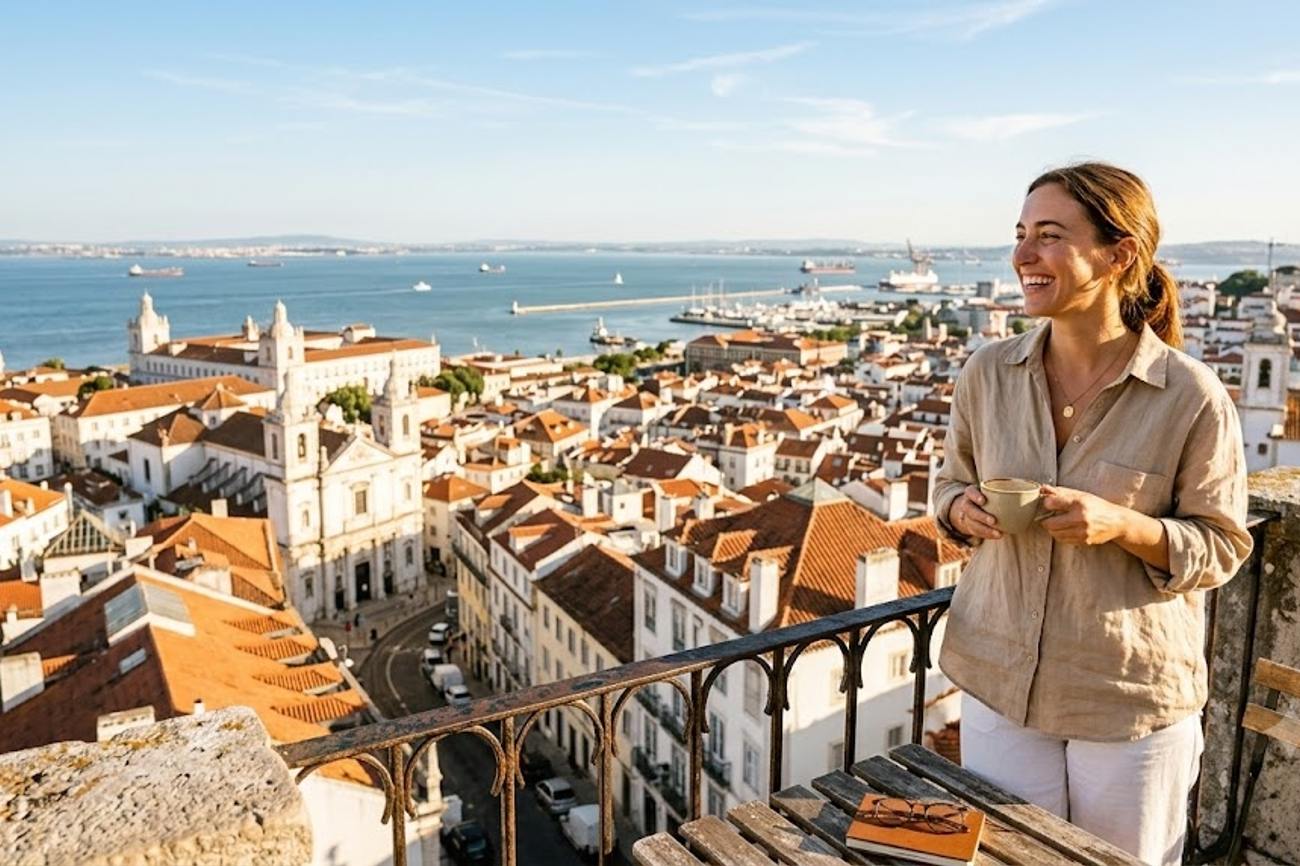
Image generated by AI
47 global destinations were scrutinized to determine the Holiday Happiness Index, with Lisbon, Portugal, emerging as the world's top-ranked location for traveler wellbeing. This ranking signals a fundamental pivot in the tourism economy, where the value proposition has shifted from traditional "sightseeing" toward a holistic integration of lifestyle, environmental health, and psychological restoration.
The Shift Toward Wellness-Centric Tourism
The ascent of Lisbon to the top of the Holiday Happiness Index is not an isolated event but a reflection of a broader macroeconomic trend in the travel industry: the rise of the "wellness traveler." For decades, global tourism was driven by landmark-centric itineraries—checking boxes of famous monuments and museums. However, the data suggests a transition toward "slow travel," where the quality of the daily experience—measured by sleep quality, walkability, and access to nature—outweighs the quantity of sights visited.
Portugal has strategically positioned itself to capture this market. By leveraging its Atlantic coastline and urban design, the country is moving beyond its reputation for gastronomy to market itself as a sanctuary for mental and physical health. This transition is supported by the Visit Portugal official tourism strategy, which emphasizes the synergy between urban exploration and natural respite. The ability for a traveler to transition from a historic neighborhood in Lisbon to the coastal breezes of Cascais or Costa da Caparica within a short window is a logistical advantage that directly impacts visitor happiness scores.
Quantifying the Happiness Metrics
The Holiday Happiness Index utilizes a multi-factor analysis to determine its rankings, prioritizing environmental and lifestyle data over traditional hospitality metrics like hotel room counts or flight frequency. The contrast between the top three cities reveals that "happiness" in travel is derived from vastly different environmental triggers.
| Metric | Lisbon, Portugal | Helsinki, Finland | Orlando, USA |
|---|---|---|---|
| Global Rank | 1st | 2nd | 3rd |
| Annual Sunshine | 2,828 Hours | Not Specified | High/Favorable |
| Green Space per Resident | 49 Square Metres | 126 Square Metres | Not Specified |
| Primary Happiness Driver | Lifestyle & Sunlight | Nature & Calm | Entertainment & Outdoors |
| Key Nature Access | Cascais & Costa da Caparica | Forests & Waterfronts | Lakes & Green Spaces |
Lisbon’s dominance is heavily weighted by its solar capital; 2,828 annual sunshine hours provide a biological advantage in mood regulation and outdoor activity levels. Conversely, Helsinki’s second-place finish is driven by a massive disparity in green space, offering 126 square metres per person—nearly triple that of Lisbon. This indicates that while sunlight drives the "happiness" of the Mediterranean experience, the Nordic model relies on "biophilia"—the innate human tendency to seek connections with nature—to achieve similar wellbeing results.
Expert Analysis: The Logistics of Leisure
For the modern nomad or high-frequency traveler, the data from the Holiday Happiness Index reveals a critical shift in how destination value is calculated. The direct consequence of Lisbon's ranking is an expected increase in "long-stay" tourism. When a city is ranked for "wellbeing" rather than just "attractions," it attracts a demographic that rents apartments for months rather than booking hotels for days.
Portugal has taken the top spot as the global travel destination for happiness and wellbeing, with Lisbon ranking number one. According to the latest reports, passengers arriving at Porto Airport and Lisbon Portela Airport can expect a seamless travel experience, with efficient logistics and transportation options available. The Portuguese government has implemented various initiatives to enhance the overall travel experience, making it an attractive destination for tourists.
The pricing pressure this creates is significant. As Lisbon becomes a hub for wellness and slow travel, we can expect a rise in short-term rental costs and a pivot in local business models toward health-conscious offerings. The "walkability" mentioned in the index is not just a convenience; it is a financial driver. Walkable cities reduce the traveler's reliance on expensive ride-sharing and rental cars, increasing the disposable income spent on local experiences, dining, and wellness services.
Furthermore, the inclusion of Orlando in the top three provides a vital counter-narrative. It proves that "happiness" is not exclusively the domain of quiet retreats or Nordic forests. The Orlando model suggests that high-stimulation entertainment, when paired with favorable weather and outdoor recreation, triggers a similar happiness response. For the travel industry, this means that the "wellness" trend is bifurcating: one path leads toward the silence of Helsinki, and the other toward the curated joy of Orlando.
From a regulatory perspective, cities like Lisbon and Helsinki must now manage the tension between attracting "happiness seekers" and maintaining the very qualities—quietude, green space, and walkability—that earned them these rankings. Over-tourism is the primary threat to the Holiday Happiness Index; if a city becomes too crowded, the "sleep quality" and "calm environment" metrics will inevitably plummet.
The ranking is based on various factors, including the quality of life, safety, and tourist infrastructure, with Finland and other countries trailing behind Portugal. For more information on travel requirements and regulations, visitors can check the official website of the Portuguese National Tourism Board. Additionally, travelers can plan their itinerary and book flights through the official website of TAP Air Portugal, the country's national airline, which offers a range of routes and services to and from Portugal.
Key Takeaways
- Lisbon's Solar Advantage: With 2,828 hours of annual sunshine, Lisbon leads the world in wellbeing-focused travel, blending urban culture with Atlantic coastal access.
- The Nordic Nature Model: Helsinki secures second place by offering an expansive 126 square metres of green space per person, catering to the sustainable and "calm" travel segment.
- Diversified Happiness: Orlando's third-place finish confirms that high-energy entertainment hubs can compete with wellness retreats if they offer strong outdoor and weather advantages.
- Metric Shift: Global tourism is moving away from "landmark checklists" toward a focus on sleep quality, physical activity, and environmental health.
- Economic Impact: The rise of slow travel in these hubs likely increases the demand for long-term residential stays over traditional hotel tourism.
FAQ: Global Happiness Travel 2024
What makes Lisbon the happiest travel destination? Lisbon combines high annual sunshine (2,828 hours), a walkable urban layout, and immediate access to nature via the Atlantic coast and nearby areas like Cascais, satisfying the modern traveler's need for both culture and relaxation.
How does Helsinki's appeal differ from Lisbon's? While Lisbon relies on sunlight and lifestyle, Helsinki focuses on "calm" and sustainability. It offers significantly more green space (126 square metres per person) and integrates forests and waterfronts directly into the urban experience.
Is Orlando considered a wellness destination? Not in the traditional sense of retreats. Orlando's high ranking is based on a combination of favorable weather, outdoor recreation, and the psychological satisfaction derived from world-class entertainment and family experiences.
What is the Holiday Happiness Index? It is a ranking of 47 global destinations that measures visitor happiness based on specific health and lifestyle indicators, including sunlight, walkability, sleep quality, and access to green spaces.
The map of global tourism is being redrawn, not by flight paths, but by the pursuit of serotonin.
Tags: Lisbon Tourism 2024, Helsinki Wellness Travel, Orlando Tourism Analysis, Holiday Happiness Index, Portugal Travel Trends, Finland Sustainable Tourism
Related Travel Guides
- Air India Unveils Vista Digital Platform To Transform Future Inflight Entertainment Experience
- Connecticut Launches 130-Spot Haunted History Trail Featuring Colonial Witch Trials and Ghost Stories
- Protect Group Expands Travel Protection Network Through New MyTicketPro Partnership Covering Global Attractions and Events
Disclaimer
This article is for informational and educational purposes only. It does not constitute legal, financial, or professional advice. While we strive to provide accurate and up-to-date information, travel policies, regulations, and conditions change rapidly. Always verify information with official sources before making travel decisions. Nomad Lawyer makes no representations about the accuracy, reliability, completeness, or suitability of the information provided. Readers should consult qualified professionals for advice specific to their circumstances. The views expressed in this article are those of the author and do not necessarily reflect the views of Nomad Lawyer.
Naina Thakur
Contributor & Travel Specialist
Travel enthusiast and legal writer covering visa regulations, responsible tourism, and cultural journeys across global destinations.
Learn more about our team →