
Historic Seaport Tourism Surge Prompts New Travel Advisories and Walkability Guidelines, Highlighting the Portsmouth New Hampshire Travel Guide: New Travel Alert
Portsmouth, New Hampshire, experiences a surge in heritage and coastal tourism, prompting local guidelines and updates on accommodation and historic walkability.

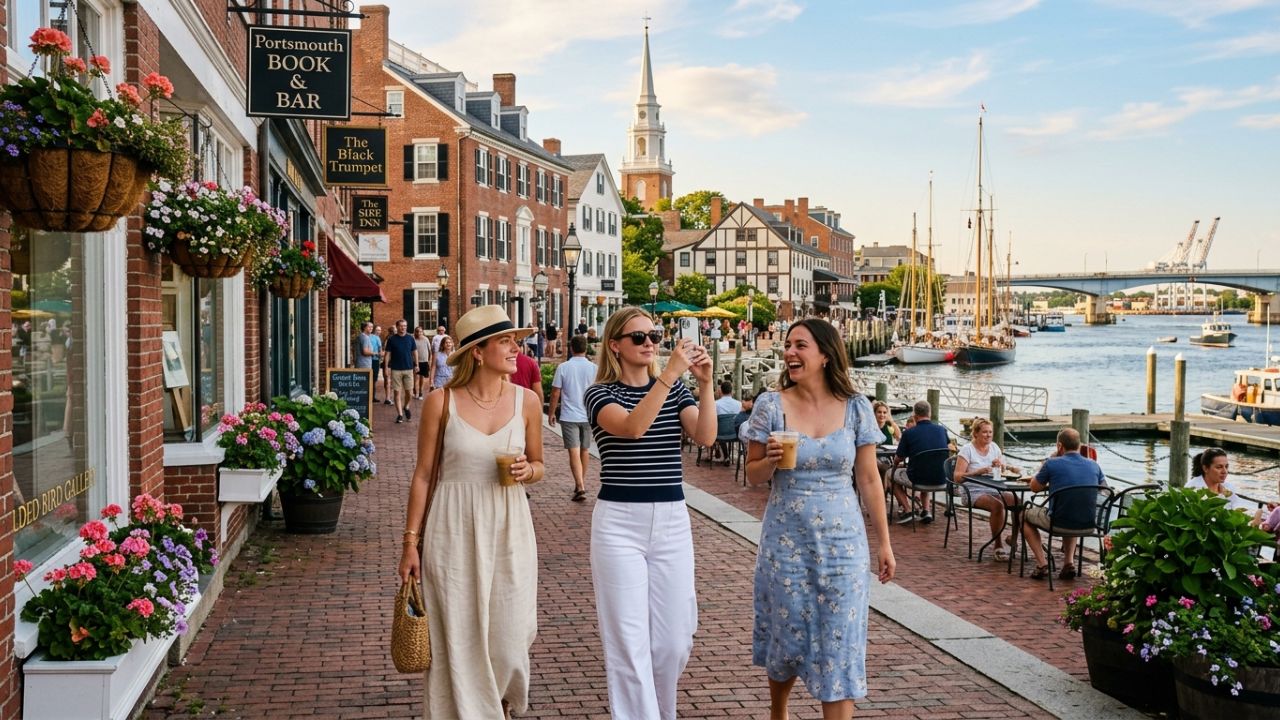
Image generated by AI
Published on June 21, 2026
A steady increase in heritage and coastal tourism in New England has led municipal coordinators to issue new walkability guidelines, drawing fresh attention to the Portsmouth New Hampshire travel guide. Situated along the Piscataqua River, the historic seaport is drawing high numbers of visitors seeking colonial architecture, waterfront parks, and authentic local dining. To prevent congestion in the compact downtown district, travelers are urged to use designated parking areas and explore the brick-lined streets on foot. Planning a trip during the peak spring and autumn foliage seasons requires advance lodging bookings to ensure a smooth coastal getaway.
Quick Summary
- Tourism Surge: Portsmouth is experiencing a notable increase in domestic and international visitors seeking pedestrian-friendly historic districts.
- European Aesthetic: The city's narrow brick streets, window flower boxes, and historic storefronts resemble classic English and Irish coastal towns.
- Waterfront Havens: Key attractions include the gardens of Prescott Park and historical cruises along the scenic Piscataqua River.
- Preserved Heritage: The Strawbery Banke Museum showcases restored homes, providing a look at early American life and shipbuilding history.
- Traveler Strategy: Travel advisors recommend spending at least two to three days in the city and choosing waterfront lodging for convenience.
Context Paragraph:
The publication of updated visitor advisories by the Portsmouth Historical Society and local tourism commissions comes as travelers look for low-density cultural getaways. To protect the city's historic brick buildings and colonial districts, local authorities have established pedestrian-first corridors throughout the downtown area. This emphasis on walkability and preservation is a key theme of the Portsmouth New Hampshire travel guide, helping visitors navigate the historic streets safely while supporting local business owners.
Event and Incident Details: Walkable Districts Highlighted in the Portsmouth New Hampshire Travel Guide
Portsmouth’s appeal as a New England destination is rooted in its compact layout and historic seaport legacy. Founded during the colonial era, the city developed as a major trading hub along the Piscataqua River, with shipbuilding, fishing, and international trade driving its early growth. Today, this maritime heritage is preserved in the city's downtown architecture, where brick storefronts and centuries-old homes sit beside modern cafes, independent bookstores, and art galleries.
To help first-time visitors plan their itinerary, the table below provides a summary of the key districts, attractions, and operational details featured in the guide:
| Visitor Area / Attraction | Location & Accessibility | Primary Features & Highlights | Best Time to Visit | Strategic Value for Travelers |
|---|---|---|---|---|
| Historic Downtown | Pedestrian-friendly center; fully walkable | Brick buildings, narrow alleys, window flower displays, cafes, boutiques | Year-round; active outdoor dining in summer | Hub of local shopping, dining, and cultural events |
| Prescott Park | Waterfront; adjacent to the river | Scenic flower gardens, open lawns, fountains, benches, harbor views | Spring and Summer | Ideal spot for relaxing between walks and viewing passing boats |
| Strawbery Banke Museum | Outdoor campus; downtown border | Restored historic homes, traditional craft demonstrations, historical exhibits | May to October (active season) | Offers insight into early American life and shipbuilding history |
| Piscataqua River Cruises | Working docks and harbor terminals | Narrated history tours, scenic sunset cruises, harbor views | Late Spring to Early Autumn | Provides a maritime view of the docks and coastal geography |
| Waterfront Dining Zone | Riverbanks and harbor piers | Fresh local seafood (lobster, oysters, fish), regional specialties | Spring and Summer | Highlights the city's seafood culture and outdoor dining options |
Risk and Impact: Navigating Congestion and Accommodation Pressures in the Coastal Seaport
While Portsmouth is highly walkable, the surge in visitor numbers presents several travel considerations:
- Downtown Parking Shortages: The historic streets are narrow, and parking in the center is limited, making remote lots a better option for drivers.
- Elevated Lodging Rates: High demand during the autumn foliage season and summer weekends can drive up rates for waterfront hotels.
- Crowded Historic Sites: Popular venues like Strawbery Banke and harbor cruises experience high volumes during holiday weekends.
- Variable Weather Conditions: Rapid weather changes along the river require travelers to pack layers, especially for evening boat tours.
- Seasonal Business Closures: Some outdoor dining areas and harbor cruises run on reduced schedules during late autumn and winter.
What Tourism Authorities and Historic Commissions Say About the Portsmouth New Hampshire Travel Guide
Municipal planners and historic commissions are emphasizing the benefits of pedestrian-friendly tourism. Guidelines from local development boards note that keeping the downtown area walkable helps protect historic brick structures from traffic wear and supports a safer environment for visitors. Authorities state that by encouraging travelers to explore on foot, the city can maintain its relaxed, old-world charm.
In its seasonal updates, the chamber of commerce highlights the role of the local dining scene in the city's tourism growth. Restaurants are encouraged to feature fresh New New England seafood—such as lobster, oysters, and local fish—to support local fishing communities. Travel planners note that the mix of traditional pubs, local bakeries, and modern wine bars gives Portsmouth a unique food culture that encourages visitors to slow down and enjoy the local culinary scene.
Practical Traveler Advice: Planning Stays and Walking Routes in New England
For travelers planning a getaway using the Portsmouth guide, advisors suggest these practical tips:
- Plan for a Multiple-Day Stay: Allow at least two to three days to fully explore the historic sites, parks, and dining options without rushing.
- Wear Comfortable Walking Shoes: The historic downtown features brick sidewalks, narrow alleys, and gravel paths that are best explored on foot.
- Book Waterfront Lodging Early: Stay near the waterfront for easy, walkable access to restaurants, shops, and harbor cruise terminals.
- Schedule Harbor Cruises in Advance: Secure tickets for sunset or history cruises early, especially during busy summer weekends.
- Use Remote Parking Lots: Save time and avoid congestion by parking in municipal garages or designated lots just outside the center.
- Pack for Changing River Temperatures: Bring a light jacket or windbreaker for evening cruises, as temperatures along the Piscataqua River can drop quickly.
Broader Context: Shipbuilding Heritage and the European Aesthetic
The distinct atmosphere of Portsmouth is often compared to historic coastal towns in England, Ireland, and northern Europe. This aesthetic is a product of the city's long history as an Atlantic trading port. The layout of the streets, the design of the brick warehouses, and the preservation of historic homes all reflect the city's early connection with European ports.
This heritage is preserved at the Strawbery Banke Museum, where historic homes are maintained to show how generations of residents lived. By keeping these structures intact, Portsmouth has avoided the high-rise development seen in other coastal cities. This focus on preservation has helped the city establish a reputation as a leading destination for slow travel in New England.
What to Expect Next / Looking Ahead
For the upcoming travel seasons, local authorities plan to continue upgrading pedestrian signage and expanding bike lanes around the waterfront. Travelers should expect continued focus on crowd management in historic zones and seasonal event coordination in Prescott Park. These ongoing efforts will help ensure that Portsmouth remains a clean, accessible, and welcoming destination for global visitors throughout 2026.
Conclusion
The growing interest in Portsmouth highlights why this historic seaport is featured in the Portsmouth New Hampshire travel guide. Offering a mix of colonial history, waterfront gardens at Prescott Park, and fresh local seafood, the city provides a relaxing New England escape. By planning ahead, booking lodging early, and exploring the historic districts on foot, travelers can enjoy a smooth and memorable stay in this coastal community.
Related Travel Guides
- Israel and Gulf Powers Closely Monitor US-Iran Switzerland Talks to Protect Commercial Flight Routes and Secure Aviation Corridors in the Middle East: New Travel Alert
- Spain Leads European Nations in Pressuring Gulf and Levant States for Visa Amnesty, Demanding a Pause on Visa Overstay Fines in the Middle East: New Travel Alert
- United Arab Emirates Suspends Visa Overstay Penalties for Stranded Travelers Amid Regional Disruptions: Latest Update
FAQ: Exploring Portsmouth, New Hampshire
Why is Portsmouth, New Hampshire, considered a walkable destination?
The historic downtown district is compact and pedestrian-friendly, allowing visitors to reach shops, galleries, restaurants, and waterfront parks easily on foot.
What is the Strawbery Banke Museum?
It is an outdoor museum in Portsmouth that preserves historic homes and neighborhoods, allowing visitors to walk through restored buildings and experience daily life from earlier centuries.
When is the best time of year to visit Portsmouth?
Spring and autumn are considered the most beautiful seasons, offering blooming gardens and New England fall foliage. Summer is ideal for waterfront activities, while winter offers a quiet holiday charm.
What dining options are popular in Portsmouth?
Fresh New England seafood, including lobster, oysters, and local fish, is a major highlight. The city also features local bakeries, independent coffee shops, wine bars, and international restaurants.
How long should I plan to stay in Portsmouth?
Travel advisors recommend planning a stay of at least two to three days to fully experience the historic sites, Prescott Park, and harbor cruises at a relaxed pace.
Disclaimer
This article is for informational and educational purposes only. It does not constitute legal, financial, or professional advice. While we strive to provide accurate and up-to-date information, travel policies, regulations, and conditions change rapidly. Always verify information with official sources before making travel decisions. Nomad Lawyer makes no representations about the accuracy, reliability, completeness, or suitability of the information provided. Readers should consult qualified professionals for advice specific to their circumstances. The views expressed in this article are those of the author and do not necessarily reflect the views of Nomad Lawyer.
Raushan Kumar
Founder & Lead Developer
Full-stack developer with 11+ years of experience and a passionate traveller. Raushan built Nomad Lawyer from the ground up with a vision to create the best travel and law experience on the web.
Learn more about our team →