
India Monsoon Alert: IMD Heavy Rain Warning for Pune Ghats Puts Rajmachi Trek Route Near Lonavala at Risk 2026
IMD has issued heavy to very heavy rainfall warnings for Pune ghats through July 8, 2026, putting the Rajmachi trekking route near Lonavala at high disruption risk for weekend travelers and tour operators.

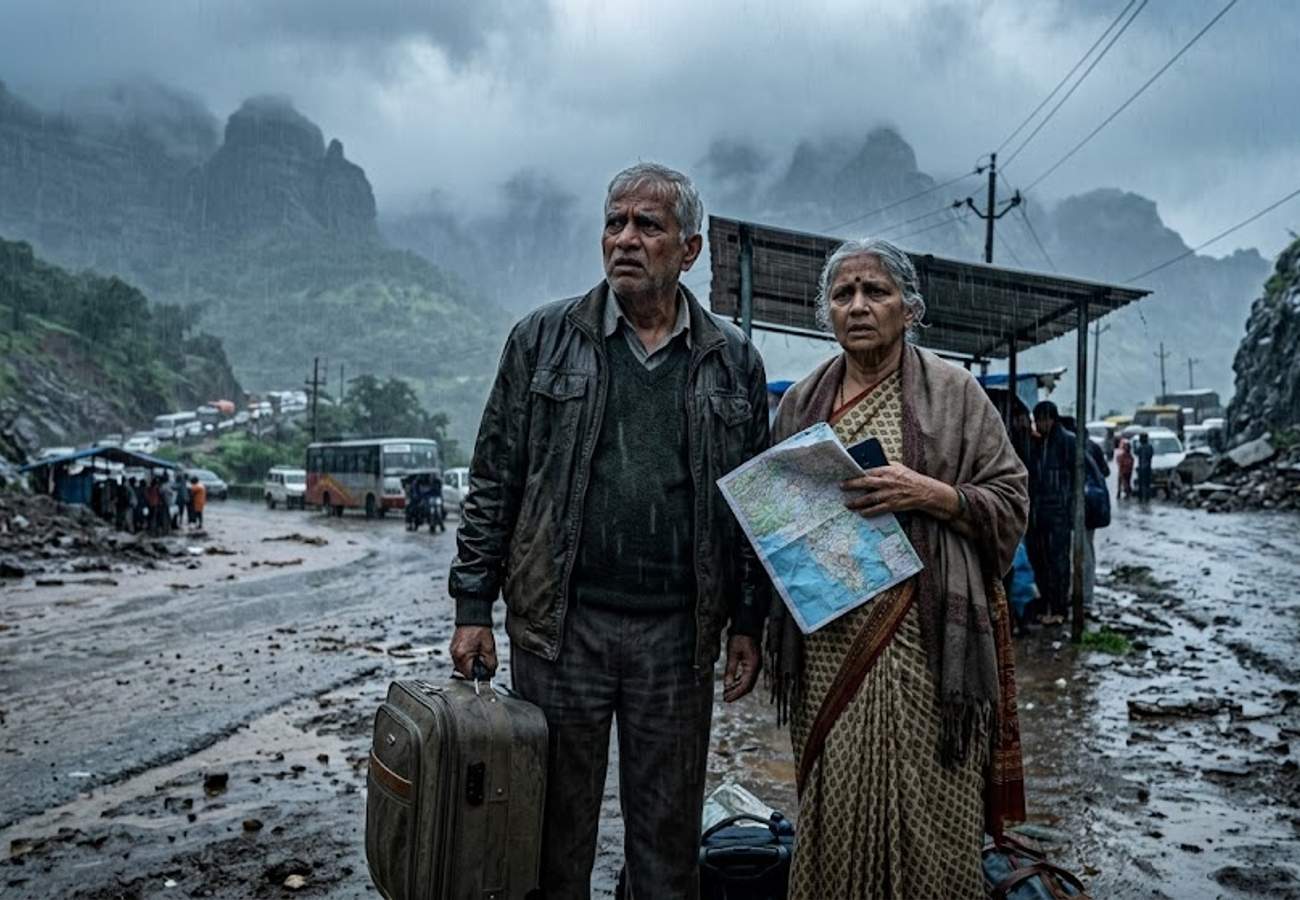
Image generated by AI
The India Meteorological Department (IMD) has issued a heavy to very heavy rainfall warning for the Ghats of Pune covering July 4 through July 8, 2026, with extremely heavy rainfall expected at isolated places through July 6. The warning, issued by the IMD Regional Meteorological Centre in Mumbai on July 4 at 12:40 PM, places the popular Rajmachi trekking corridor near Lonavala under high-risk status for monsoon travel, affecting weekend tourism flows from Mumbai and Pune.
Rajmachi, located approximately 15 kilometres from Lonavala in Maharashtra's Sahyadri mountain range, is a recognized trekking destination featuring Shrivardhan Fort and Manaranjan Fort. The route's mix of hill terrain, forested sections, muddy trails, and road stretches becomes operationally volatile during intense monsoon conditions, with landslide debris, waterlogging, and falling stones posing immediate threats to visitor safety and access.
The IMD warning specifies heavy to very heavy rainfall at a few places with extremely heavy rainfall at isolated places for July 4, 5, and 6. July 7 transitions to heavy to very heavy rainfall at isolated places, and July 8 downgrades to heavy rainfall at isolated places. The probability is marked as very likely across the entire window.
"Booked a weekend trek to Rajmachi from Mumbai. Local operators say the road past Lonavala is slushy and visibility is near zero past the drop point. Group of 12 stuck deciding whether to cancel or push through. No official update from forest dept yet." — r/IndiaTreks
Lonavala and Khandala, officially listed by Pune district as twin hill stations in the Sahyadri ranges at 622 metres above sea level, see tourism peak during the monsoon season. The hill-station area spans approximately 38 square kilometres, making it one of Maharashtra's most critical short-haul leisure clusters. Lonavala sits roughly 1.5 hours by road from Pune city and 2 hours from Mumbai, with railway connectivity serving both routes.
This proximity creates a demand surge even as weather deteriorates. Weekend groups from Mumbai and Pune, trekking clubs, student travel organizations, homestay-linked itineraries, and adventure operators all depend on predictable access to the Rajmachi corridor. When a landslide, mud flow, or waterlogging affects the approach route, even a short disruption can delay transfers, strand vehicles, extend tour duration, and increase emergency coordination costs.
Maharashtra Tourism identifies two main trekking approaches to Rajmachi: one from Lonavala and another from Karjat. This dual-access structure provides flexibility in normal weather but requires operators to monitor both corridors during the monsoon. Vehicles can reach a certain point from Lonavala, after which visitors trek to the forts. The trekking stretch from Lonavala to the base village takes approximately two to three hours under normal conditions.
The operational risk concentrates at three choke points. First, the Lonavala road approach must remain passable for vehicles. Second, the vehicle drop-off zone must offer safe turnaround and parking conditions. Third, the trekking trail must remain suitable for the group's age, fitness, and equipment profile. During heavy rain, each point becomes a potential delay or hazard zone.
A claim circulating in some reports suggests nearly 100 tourists were stranded on the Rajmachi route. Official government and institutional sources reviewed for this report confirm the destination profile, monsoon vulnerability, and active heavy-rain warning environment. However, no district administration, police, disaster management, or forest authority has published an official tourist headcount for any stranding event. Travel operators and publications should treat the figure as unverified unless an official source confirms it.
The India Meteorological Department continues to update its district-level forecasts for Pune and surrounding ghat areas. Maharashtra Tourism advises visitors to check current trekking conditions, weather forecasts, and necessary permits before planning a Rajmachi trip. The National Disaster Management Authority provides monsoon-specific safety guidelines for hill-region travel.
For B2B travel planners, the disruption carries immediate commercial implications. Tour operators must separate destination popularity from operational viability. A route can remain attractive on search engines and social platforms while becoming unsafe on the ground. Last-minute group departures without route clearance confirmation risk stranding clients, escalating emergency costs, and damaging operator reputation.
The warning timeline gives operators a narrow window to act. July 4 through 6 carry the highest risk, with extremely heavy rainfall at isolated places. July 7 shows slight de-escalation to heavy to very heavy rainfall at isolated places. July 8 further downgrades to heavy rainfall at isolated places. Operators should treat the entire window as a high-alert monsoon corridor and resume trekking operations only after local route checks and operator-level risk review.
Homestay operators in the Rajmachi base village face particular exposure. Groups already in transit or at the destination when conditions deteriorate may require extended stays, emergency supplies, or evacuation support. Operators should establish communication protocols with local homestay partners before the warning window closes.
What to Do Next
If you have trekking or travel plans to Rajmachi, Lonavala, or the Pune ghat corridor this week:
- Check IMD forecasts daily at mausam.imd.gov.in before any departure. Conditions can change within hours.
- Contact your tour operator or trekking club directly for route status confirmation. Do not rely solely on social media updates.
- Postpone weekend treks scheduled for July 5-6. The IMD warning covers the highest-risk window with extremely heavy rainfall at isolated places.
- Carry emergency supplies if travel is unavoidable: first-aid kit, charged power bank, rain gear with grip boots, and emergency contact numbers for local police and disaster management.
- Inform someone of your itinerary before departing. Cell connectivity in the Sahyadri hills can be unreliable during heavy rain.
- Avoid night travel on ghat roads. Reduced visibility, landslide debris, and slippery surfaces make after-dark movement extremely hazardous.
- Monitor official channels for updates. Follow Pune district administration and Maharashtra Tourism handles for real-time route advisories.
- Review cancellation policies with your homestay or accommodation provider before departing. Many operators offer flexible rescheduling during official weather warnings.
The monsoon transforms the Western Ghats into a visually stunning destination, but the same geography that creates the appeal creates the risk. Travel operators, trekking clubs, and independent travelers must treat IMD warnings as operational mandates, not advisory suggestions.
Monsoon beauty in the Sahyadris is not worth a rescue operation. Check the forecast, confirm the route, and when in doubt, stay home.
Related Travel Guides
Disclaimer
This article is for informational and educational purposes only. It does not constitute legal, financial, or professional advice. While we strive to provide accurate and up-to-date information, travel policies, regulations, and conditions change rapidly. Always verify information with official sources before making travel decisions. Nomad Lawyer makes no representations about the accuracy, reliability, completeness, or suitability of the information provided. Readers should consult qualified professionals for advice specific to their circumstances. The views expressed in this article are those of the author and do not necessarily reflect the views of Nomad Lawyer.
Preeti Gunjan
Contributor & Community Manager
A passionate traveller and community builder. Preeti helps grow the Nomad Lawyer community, fostering engagement and bringing the reader experience to life.
Learn more about our team →