
Border System Crash at Lanzarote Strands UK Holiday Flyers in May 2026
A border system crash at Lanzarote's César Manrique Airport left dozens of UK-bound passengers stranded in May 2026. The automated passport control failure exposed critical vulnerabilities in Europe's digital border infrastructure during peak travel season.

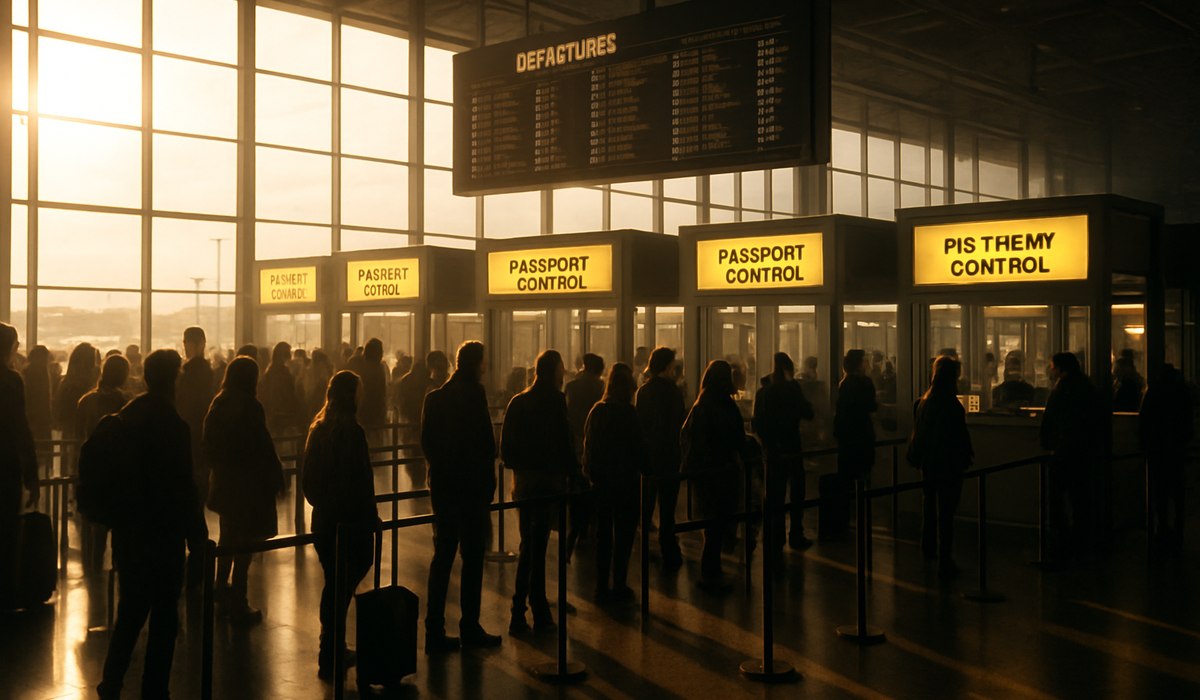
Image generated by AI
Lanzarote Airport Border System Crash Leaves Dozens Stranded
A border system crash at César Manrique Airport in Lanzarote disrupted travel for dozens of UK-bound holidaymakers on Monday morning in May 2026. The automated passport control system serving non-EU departures suffered a technical malfunction, preventing travelers from clearing exit checks in time for their flights. With manual processing overwhelmed by morning rush-hour demand, affected passengers watched their aircraft depart with empty seats while they remained trapped in border queues.
The incident has reignited urgent discussions about the reliability and scalability of Europe's increasingly automated border infrastructure, particularly at leisure destinations serving high volumes of non-EU visitors.
Border System Failure Grounds Passengers at Lanzarote
The border system crash occurred during peak morning departure hours when passenger volume typically peaks at the Canary Islands hub. The automated gates used to verify travel documents and process exit stamps malfunctioned without warning, forcing border staff to revert to slower manual procedures.
What began as a temporary technical glitch quickly cascaded into chaos. Early reports indicated that nearly 70 passengers booked on a Ryanair service to Edinburgh could not reach their departure gate in time. Families and groups who had arrived at the airport three to four hours ahead of schedule found themselves trapped in expanding queues, watching their boarding time approach and then pass.
The border system crash demonstrated a critical gap in contingency planning. When automated systems fail, manual alternatives simply cannot process the same volume of travelers during busy periods. Airport staff faced an impossible situation: maintain security protocols while preventing the complete collapse of departure operations. Some travelers spent over two hours at passport control before learning their flights had departed without them.
Manual Processing Unable to Cope with Morning Rush
The fallback to manual border processing exposed infrastructure limitations that plague Europe's busiest leisure airports. When the automated gates shut down, trained border officers had to verify documents and process exit requirements for every single passenger individually.
Manual processing typically handles 15-20 passengers per officer per hour under normal conditions. During the border system crash, demand far exceeded this capacity. Queues stretched from the passport control booths back through terminal corridors, creating bottlenecks that rippled across the entire departure hall.
Unlike security screening, which has established peak-hour staffing models at major airports, border control operates under different resource constraints. Officers cannot be easily brought in on short notice, and cross-training requirements limit flexibility. The border system crash revealed that Spain's airport operator had not adequately resourced manual alternatives at a facility handling 9 million annual passengers.
By mid-morning, passengers on multiple flights faced the choice of abandoning departure attempts or missing their scheduled flights entirely. Several travelers reported that border staff provided no updates about flight status or whether late passengers might still be accommodated. The lack of real-time communication between border control and airline operations compound the crisis.
Who Bears Responsibility When Border Tech Fails?
The border system crash has ignited complex questions about liability when state-operated infrastructure fails and directly impacts airline customers. Under standard EU passenger rights regulations, compensation typically applies to delays and cancellations within an airline's operational control.
However, when a border system crash prevents passengers from boarding, responsibility becomes murky. The root cause—a technical failure in government-managed border infrastructure—falls outside airline control. Airlines cannot override border security procedures, and passengers cannot bypass automated systems, even when technology fails.
Affected travelers from the Edinburgh flight faced particular challenges. EU regulations do not explicitly address compensation for missed departures caused by border system failures. Passengers had complied with all check-in requirements and arrival guidance, yet faced unexpected overnight stays and rebooking expenses without clear paths to recovery.
Consumer advocates across Europe have questioned whether current regulatory frameworks adequately protect passengers when state infrastructure fails. Some argue that airports bear responsibility for maintaining functional border systems, while others contend that airlines should provide compensation as a customer service measure regardless of who caused the disruption.
Growing Pressure on Europe's Digital Border Infrastructure
The Lanzarote incident represents part of a broader pattern of border system challenges across Europe. Milan's Linate Airport reported passengers spending several hours in border control queues for Manchester-bound flights. French and Spanish airports have documented similar pinch points as the European Union's updated Entry Exit System rolls out.
Major leisure gateways including Tenerife South, Málaga, and Alicante have experienced sustained wait times exceeding one hour during peak periods. These delays began as border staff and systems adjusted to new requirements, but the Lanzarote border system crash suggests deeper issues may persist.
Island destinations face particularly acute vulnerabilities. Passengers cannot easily rebook onto alternative flights when departures operate only several times weekly. A single border system crash can cascade into extended delays, additional accommodation costs, and lost holiday time across hundreds of travelers.
Tourism officials in the Canary Islands have privately warned that repeated airport congestion episodes risk damaging the islands' reputation as convenient leisure destinations. Media coverage of the border system crash has already sparked discussions on Scottish travel forums, with some users recommending additional buffer time before departure for non-EU exit checks.
| Incident Detail | Information |
|---|---|
| Location | César Manrique Airport, Lanzarote |
| Date | Monday, May 7, 2026 |
| System Affected | Automated passport control (non-EU departures) |
| Passengers Stranded | Approximately 70 on Edinburgh-bound Ryanair flight |
| Primary Cause | Border system crash in automated gate infrastructure |
| Response | Manual processing; flights departed with empty seats |
| Affected Route | Lanzarote to Edinburgh |
| Time in Queues | Up to 2+ hours for some passengers |
| Compensation Status | Unclear; likely falls in regulatory gray area |
What This Means for Travelers
The Lanzarote border system crash offers important lessons for anyone planning travel through European airports, particularly to non-EU destinations.
-
Allow Extended Border Time: Add 90-120 minutes to your pre-departure window for non-EU exits at busy leisure gateways like Lanzarote, Málaga, and Tenerife, especially during school holidays or peak travel seasons.
-
Monitor Real-Time Airport Updates: Check your airport's official app or website immediately upon arrival for any reported system disruptions or longer-than-normal border queue times.
-
Review Passenger Rights Documentation: Understand that compensation for missed departures caused by border system failures remains legally unclear. Contact your airline immediately if you miss a flight due to border delays.
-
Consider Travel Insurance: Comprehensive policies covering "missed departures" due to border delays may provide financial protection that standard passenger rights regulations do not currently address.
-
Stay Connected with Your Airline: Provide your airline with mobile contact details so staff can notify you of any flight status changes while you navigate border control.
-
Document Everything: Retain boarding passes, time-stamped photos of queue lengths, and written accounts of wait times in case you need to pursue compensation claims or challenge regulatory decisions.
FAQ
What exactly happened at Lanzarote Airport? The automated passport control system for non-EU departures suffered a technical failure on Monday morning in May 2026. Manual processing could not handle the volume of passengers during peak departure hours, causing delays that made dozens of travelers miss their flights to the United Kingdom and other non-Schengen destinations.
Which flights were most affected by the border system crash? A Ryanair service to Edinburgh experienced the heaviest impact, with approximately 70 passengers unable to reach their departure gate in time. However, multiple other flights also experienced delays and reduced passenger loads due to the border system crash affecting the entire non-EU departure hall.
Can I claim compensation if I miss a flight due to a border system crash? Compensation eligibility remains legally unclear
Disclaimer
This article is for informational and educational purposes only. It does not constitute legal, financial, or professional advice. While we strive to provide accurate and up-to-date information, travel policies, regulations, and conditions change rapidly. Always verify information with official sources before making travel decisions. Nomad Lawyer makes no representations about the accuracy, reliability, completeness, or suitability of the information provided. Readers should consult qualified professionals for advice specific to their circumstances. The views expressed in this article are those of the author and do not necessarily reflect the views of Nomad Lawyer.
Raushan Kumar
Founder & Lead Developer
Full-stack developer with 11+ years of experience and a passionate traveller. Raushan built Nomad Lawyer from the ground up with a vision to create the best travel and law experience on the web.
Learn more about our team →