
Passengers Stranded JKIA as Pilot Strike Halts Flights May 2026
Thousands of passengers stranded at Nairobi's Jomo Kenyatta International Airport during a pilot strike and aviation labor dispute in May 2026. Flight cancellations and overnight terminal vigils disrupt travel across East Africa's busiest hub.

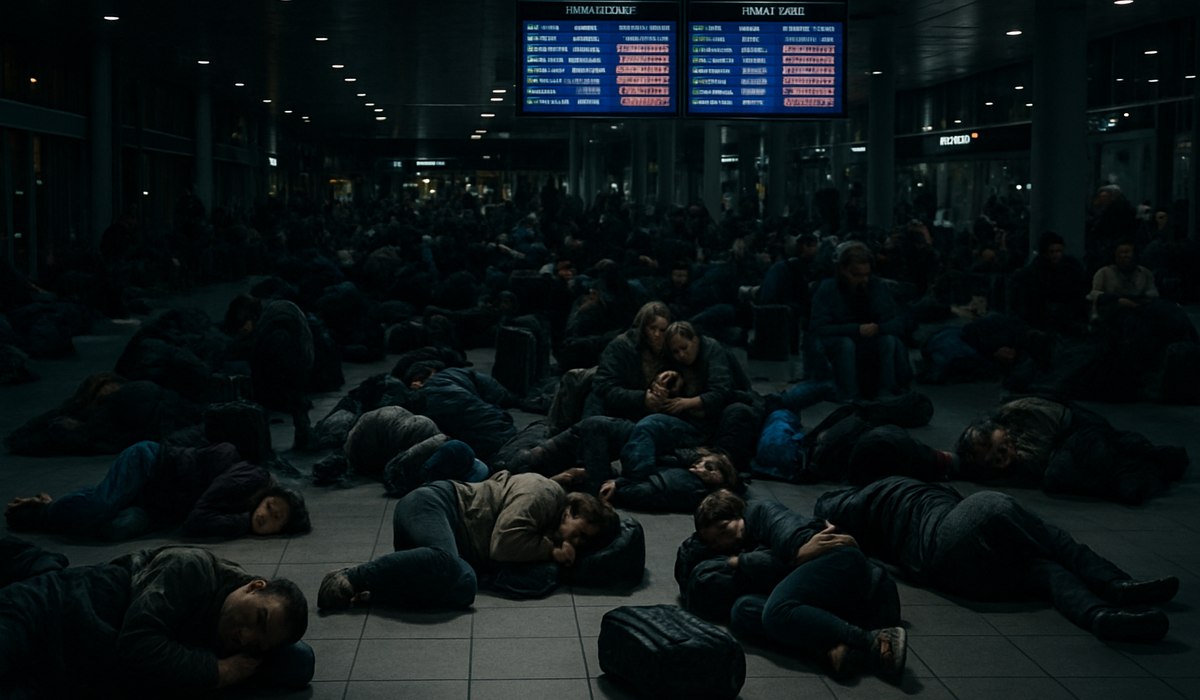
Image generated by AI
Chaos at Africa's Busiest Hub: Terminal Scenes from the Strike
Thousands of passengers found themselves stranded at Nairobi's Jomo Kenyatta International Airport (JKIA) when a pilots' strike and aviation labor unrest brought major disruptions to one of Africa's most critical travel hubs. Families, elderly travelers, business professionals, and safari tourists spent entire nights sleeping on terminal floors, using luggage as pillows and trolleys as makeshift beds while waiting for news of delayed or cancelled flights. The scenes captured across departure halls revealed the human cost of aviation labor disputes: confusion, exhaustion, and uncertainty as flight information boards filled with cancellation notices. Passengers reported learning of flight cancellations only after clearing immigration, forcing them to scramble for alternative accommodations or queue for rebooking at airline desks deep into the night.
The disruption extended far beyond JKIA's main terminals. Regional airports in Mombasa, Kisumu, and Eldoret also experienced ripple effects, with connecting passengers facing compounding delays across Kenya's air network. Airlines operating critical routes—including Kenya Airways and regional carriers—issued advisories urging customers to verify flight status before traveling to the airport, acknowledging that normal operations would not resume immediately.
Why Pilots and Aviation Workers Walked Off the Job
The pilots' strike represents the escalation of months of simmering tension between aviation unions and Kenya's regulatory authorities. Pilot associations have publicly raised serious concerns about crew fatigue, duty-time limits, and the cumulative impact of scheduling pressure on safety margins. These labor disputes involve not just pilots but also air traffic controllers, ground handling staff, and other essential aviation workers protesting over staffing levels, wage agreements, and job security.
Union statements indicate that workers viewed the strike action as a last resort after extended negotiations over collective bargaining agreements and infrastructure investment produced no meaningful resolution. Earlier go-slow actions and staffing shortages had already degraded service quality, but the formal strike action in May 2026 proved far more disruptive. Aviation regulators and government bodies maintained that contingency plans preserved essential safety functions, yet the shortage of qualified cockpit crew made it impossible to operate scheduled departures. The economic ripple effects included aircraft repositioning costs, cargo delays, and significant schedule recovery expenses that airlines would absorb.
Travel Disruptions and Passenger Rights During the Standoff
Passengers experiencing cancellations or major delays during the aviation labor unrest face multiple options under Kenya's aviation regulations and international air travel rules. According to the US Department of Transportation guidelines and similar frameworks adopted across East Africa, travelers typically qualify for reimbursement, rebooking on alternative flights, or care and assistance provisions depending on the specific circumstances.
When flights are cancelled due to labor disputes, the classification matters. Some frameworks treat strikes as "extraordinary circumstances" beyond an airline's control, potentially limiting compensation obligations. However, travelers still retain rights to rebooking or refunds. Verify the specific terms of your airline's policy and Kenya's Civil Aviation Authority guidance before accepting a rebooking offer. Document all expenses incurred—meals, accommodation, transportation—as these may be recoverable under certain conditions. Keep boarding passes, confirmation emails, and receipts organized for any subsequent claims.
For passengers on connecting itineraries affected by disruptions at JKIA, airline staff should rebook you on the next available flight without additional charge, though this may involve lengthy waits during high-volume disruptions. International passengers heading to Europe, the Middle East, or Asia should contact their airlines immediately to understand options for alternative routing through other African hubs.
What Travelers Should Know About Rebooking and Compensation
When airlines cancel flights due to labor actions, your rights depend on whether you're traveling domestically within Kenya or on international routes. The International Air Transport Association (IATA) and national aviation authorities recognize labor disputes as extraordinary circumstances, yet passengers deserve transparency about available options.
Request written confirmation of any rebooking offer, including the new flight details and any associated costs. Ask explicitly whether the airline will cover accommodation if the rebooking extends beyond 24 hours. Some carriers offer hotel vouchers and meal tickets; others require you to pursue reimbursement claims after the fact. Take photographs of terminal conditions, gather contact information from fellow stranded passengers, and retain all documentation of time spent waiting or expenses incurred.
For international travelers, your home country's aviation consumer protection agency may offer additional recourse. US travelers should review guidance from the US Department of Transportation's Aviation Consumer Protection Division. European passengers have access to EU261 regulations, though these apply only to flights departing EU airports. Document the airline's failure to provide required care and assistance, as this strengthens any compensation claim filed afterward.
Traveler Action Checklist
-
Contact your airline immediately via phone or official website to confirm your flight status and explore rebooking options before heading to the airport.
-
Photograph your boarding pass and confirmation email on your phone as backup documentation in case digital records become unavailable.
-
Check real-time flight information using FlightAware or your airline's app to monitor actual gate activity and departure time updates throughout the disruption.
-
Request written confirmation of any rebooking, hotel voucher, or care provision offer before accepting alternative arrangements.
-
Retain all receipts and documentation for meals, accommodation, transportation, and other expenses incurred due to cancellations or delays.
-
Collect contact details from fellow passengers affected by the same cancellations for potential group claims or regulatory reporting.
-
File a formal complaint with Kenya's Civil Aviation Authority and your airline within 30 days, including photos and expense documentation.
-
Research your rights on the US Department of Transportation consumer protection website or equivalent authority in your home country.
-
Update your travel insurance provider immediately if you purchased coverage, providing incident details and airline confirmation of cancellation.
-
Plan for alternative routing through other East African airports such as Entebbe (Uganda), Julius Nyerere (Tanzania), or OR Tambo (South Africa) if rebooking delays become intolerable.
Strike Impact: Critical Data for Travelers
| Metric | Details |
|---|---|
| Airport Affected | Jomo Kenyatta International Airport (JKIA), Nairobi |
| Date of Disruption | May 7, 2026 and ongoing |
| Strike Type | Pilots' strike + aviation labor unrest |
| Secondary Airports Impacted | Mombasa, Kisumu, Eldoret |
| Major Airlines Affected | Kenya Airways, regional carriers, international operators |
| Estimated Passengers Stranded | Thousands across JKIA and secondary hubs |
| Root Cause | Staffing disputes, wage negotiations, duty-time safety concerns |
| Terminal Conditions | Packed departure halls, overnight sleeping arrangements |
| Estimated Wait Times | 12+ hours for rebooking or flight information |
| Network Disruption | Domestic and international routes; East Africa connections |
What This Means for Travelers
The May 2026 aviation labor unrest at JKIA demonstrates why travel disruption insurance and flexibility in booking hold critical value, particularly when traveling through major African hubs. Even with robust contingency planning by regulators and airlines, labor disputes involving pilots and essential aviation staff can cascade into widespread schedule disruptions affecting thousands of passengers simultaneously.
Actionable Steps for Current and Future Travel Through Kenya:
-
Monitor union negotiations and media coverage of aviation labor disputes weeks in advance if planning travel to or through JKIA.
-
Purchase comprehensive travel insurance that explicitly covers airline strike-related cancellations; standard policies often exclude labor actions.
-
Build buffer time
Disclaimer
This article is for informational and educational purposes only. It does not constitute legal, financial, or professional advice. While we strive to provide accurate and up-to-date information, travel policies, regulations, and conditions change rapidly. Always verify information with official sources before making travel decisions. Nomad Lawyer makes no representations about the accuracy, reliability, completeness, or suitability of the information provided. Readers should consult qualified professionals for advice specific to their circumstances. The views expressed in this article are those of the author and do not necessarily reflect the views of Nomad Lawyer.
Raushan Kumar
Founder & Lead Developer
Full-stack developer with 11+ years of experience and a passionate traveller. Raushan built Nomad Lawyer from the ground up with a vision to create the best travel and law experience on the web.
Learn more about our team →