
Philippines Unleashes Creative Tourism Powerhouse as Policy Alignment Accelerates Global Exports and High-Value Travel
Philippines Unleashes Creative Tourism Powerhouse as Policy Alignment Accelerates Global Exports and High-Value Travel

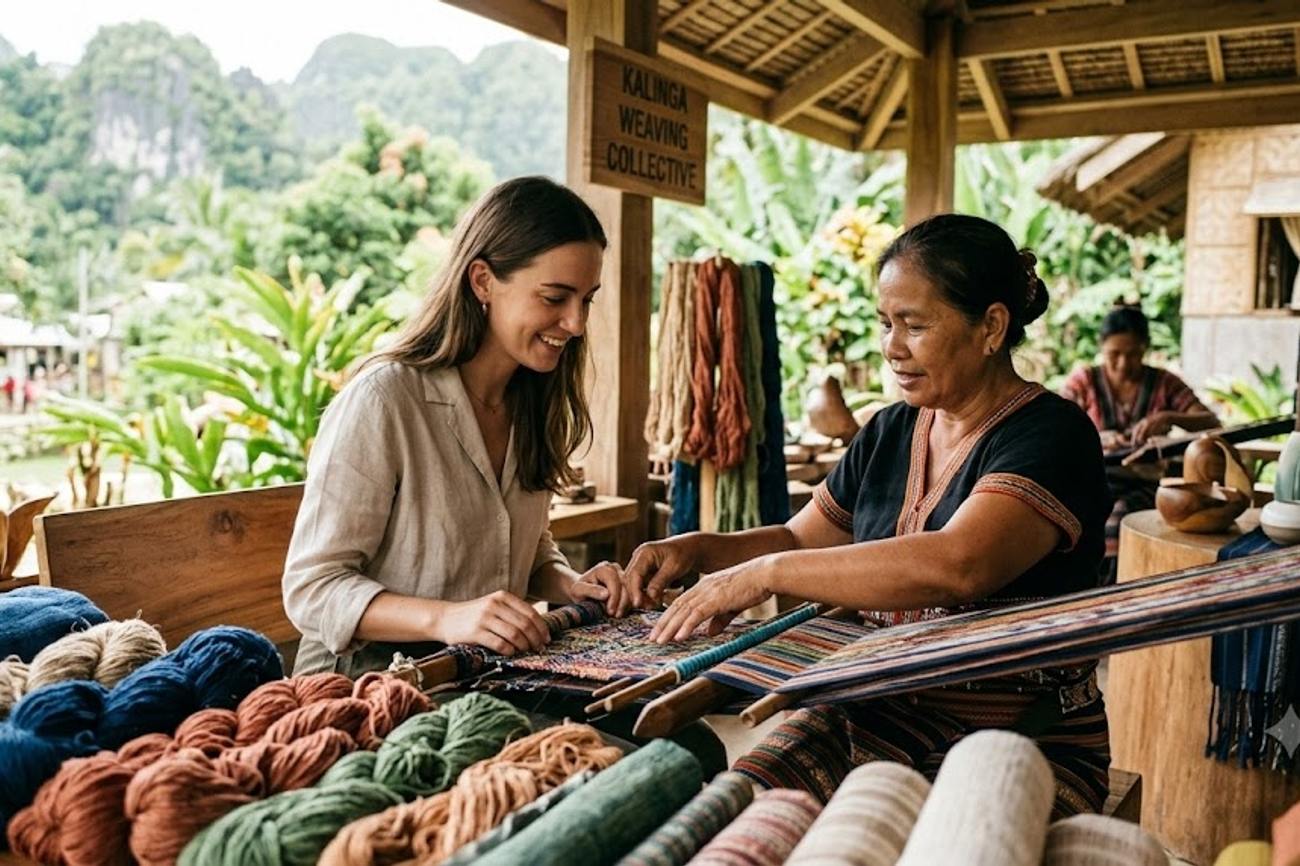
Image generated by AI
The Philippines is currently treating its entire cultural identity as a high-yield export product, moving beyond the "beach and postcard" model to commoditize its intellectual property. While most visitors still flock to the white sands of Boracay, the state has pivoted toward a "cultural currency" doctrine, where everything from 3D animation and game design to ancestral weaving is framed as a commercial driver of international trade rather than just a tourist attraction.
The Shift Toward High-Yield Cultural Currency
For decades, the travel narrative in Southeast Asia was defined by volume. The goal was simply to get as many bodies as possible into beach corridors and scenic viewpoints. However, this model created a precarious economy characterized by extreme seasonality and "leakage," where a significant portion of tourist spending flowed back to foreign tour operators and imported luxury supplies rather than staying in the local villages.
The current strategic pivot, led by the Department of Trade and Industry (DTI) and the Department of Tourism (DOT), re-engineers the visitor experience. Instead of being passive spectators of a sunset, travelers are being encouraged to become consumers of "creative tourism." This means the government is now treating a visitor's purchase of an original designer piece or their engagement with a living heritage performance as an inbound export transaction.
This is not a vague branding exercise; it is a structural economic realignment. Under the leadership of Secretary Maria Cristina A. Roque (DTI) and Secretary Christina Garcia Frasco (DOT), the Philippines is integrating its statutory obligations to protect intellectual property with its tourism goals. The aim is to attract a different profile of traveler: the discretionary, high-spending collector, the corporate delegate, and the experiential seeker who stays longer and spends more per day because they are investing in artisanal retail and live cultural showcases.
What Makes the Philippines Different
The uniqueness of this approach lies in the scale of the creative engine. According to data from the Philippine Statistics Authority (PSA), the creative economy is already an industrial powerhouse, generating an aggregate economic value of PHP 2.12 Trillion (roughly USD 37.8 Billion), which accounts for 7.6% of the national GDP.
Unlike other destinations that separate their "arts scene" from their "tourism board," the Philippines is merging them. The creative output is split into two powerful streams:
- Creative Goods: Worth PHP 320 Billion, these are the tangible assets—handwoven textiles, industrial furniture designs, and gourmet processed gastronomy.
- Creative Services: Worth PHP 427 Billion, these are the intangible, high-margin exports—animation, spatial design, and interactive entertainment software.
The total combined creative exports stand at PHP 747 Billion. This means that when you visit a design studio in Manila or a weaving cooperative in the highlands, you are interacting with a sector that is fundamentally designed for global trade. Furthermore, the digital interactive domain is projected to reach USD 2.6 Billion by 2027, integrating augmented reality travel applications and location-based gaming into the physical travel experience. To support this, PHP 7.58 Billion in tourism accommodation capital was approved in H1 2026, specifically for BOI-certified infrastructure that blends luxury hospitality with cultural lifestyle elements.
Visitor Insider Tips
To experience the Philippines through this "creative lens" rather than the tourist brochure, you have to move beyond the primary hubs.
Where to Base Yourself Avoid the generic hotel districts. In Manila, look for accommodations in neighborhoods that border the Binondo district or near the emerging creative hubs of Makati, where the intersection of corporate design and street art is most visible. If heading to the provinces, seek out "creative clusters"—towns known for a specific craft, such as the weaving centers of the Cordilleras or the furniture design hubs of Pampanga.
The Philippine government is strategically integrating creative industries with high-value tourism to attract luxury cruise passengers and global investors. This policy alignment is managed through the Department of Tourism, which focuses on diversifying destination offerings beyond traditional beaches to include cultural and artistic hubs.
Timing and Etiquette To avoid the volatility of the dry-season crowds, align your visit with the B2B trade expos and regional festivals. These events are the primary drivers of the "year-round demand" the government is courting. When purchasing from local artisans, remember that you are buying intellectual property. Many weavers and designers are now seeking legal recognition for their patterns; asking about the history and the "ownership" of a design is seen as a mark of a sophisticated traveler.
Regional Specialties to Seek Move beyond the standard adobo. Look for "processed gastronomy"—high-end, packaged versions of regional delicacies that are being developed for export. These are often found in specialized creative markets rather than souvenir shops.
Transport Hacks While flights are the primary artery, the most authentic creative encounters happen via local transport. Use the Department of Tourism's official portal to identify emerging creative circuits, but utilize local ride-hailing apps for the "last mile" to reach smaller studios and workshops that aren't listed on global booking platforms.
Cultural and Environmental Context
The transition from "scenic sightseeing" to "cultural currency" is a double-edged sword. On one hand, it provides a powerful mechanism for local value retention. By focusing on MSME (Micro, Small, and Medium Enterprise) networks, the government is attempting to ensure that capital stays within provincial clusters rather than leaking to international hotel chains.
However, the commercialization of "living heritage" requires a delicate balance. When a traditional dance or a weaving technique becomes a "bankable export commodity," there is a risk of sanitizing the culture for foreign consumption. The current framework, including RA 11904 and the ASEAN DEFA, attempts to mitigate this by providing intellectual property protections for the creators themselves.
Environmentally, this shift is intended to reduce the pressure on fragile ecosystems. By diversifying the "value driver" away from just beaches and coral reefs—which are susceptible to over-tourism and climate change—and toward urban creative hubs and digital experiences, the Philippines can spread the visitor footprint more evenly across the archipelago. This reduces the ecological strain on the UNESCO World Heritage sites and national parks, moving the economic burden from the land to the intellect.
FAQ: Visiting the Philippines 2026
What is the best time to visit? While the dry season (November to April) is traditional, the new focus on creative festivals and trade expos means that visiting during the "shoulder" months offers a more authentic look at the creative economy with far fewer crowds.
Do I need a visa? Visa requirements vary by nationality. Most Western travelers enjoy visa-free entry for short stays, but you should check the latest regulations via the official government portals before booking.
How do I get to the creative hubs from Manila? For digital and design hubs, ride-hailing apps within Metro Manila are best. For provincial creative clusters, domestic flights to regional hubs followed by private car rentals provide the most flexibility.
Is it safe for solo travelers? Yes, the Philippines is generally welcoming. Solo travelers are encouraged to use registered guides when visiting remote artisanal communities to ensure both safety and fair payment to the local creators.
Stop looking at the scenery and start investing in the soul of the archipelago.
Tags: PhilippinesTravel2026, ManilaCreativeEconomy, PhilippineCulturalTourism, SoutheastAsiaTradeTravel, DOTPhilippines
Related Travel Guides
- South Korea Travel Boom As Seoul’s Green City Project Creates A Stunning Sustainable Tourism Future
- Why the New 2026 Dining Laws of Abu Dhabi Will Transform Your Next Vacation
- Taj Dubai Stands Alongside NH Collection The Palm and More to Unlock Dubai Hospitality Boom With 85% Winter Occupancy Forecast
Disclaimer
This article is for informational and educational purposes only. It does not constitute legal, financial, or professional advice. While we strive to provide accurate and up-to-date information, travel policies, regulations, and conditions change rapidly. Always verify information with official sources before making travel decisions. Nomad Lawyer makes no representations about the accuracy, reliability, completeness, or suitability of the information provided. Readers should consult qualified professionals for advice specific to their circumstances. The views expressed in this article are those of the author and do not necessarily reflect the views of Nomad Lawyer.
Naina Thakur
Contributor & Travel Specialist
Travel enthusiast and legal writer covering visa regulations, responsible tourism, and cultural journeys across global destinations.
Learn more about our team →