
Why the New 2026 Dining Laws of Abu Dhabi Will Transform Your Next Vacation
Why the New 2026 Dining Laws of Abu Dhabi Will Transform Your Next Vacation

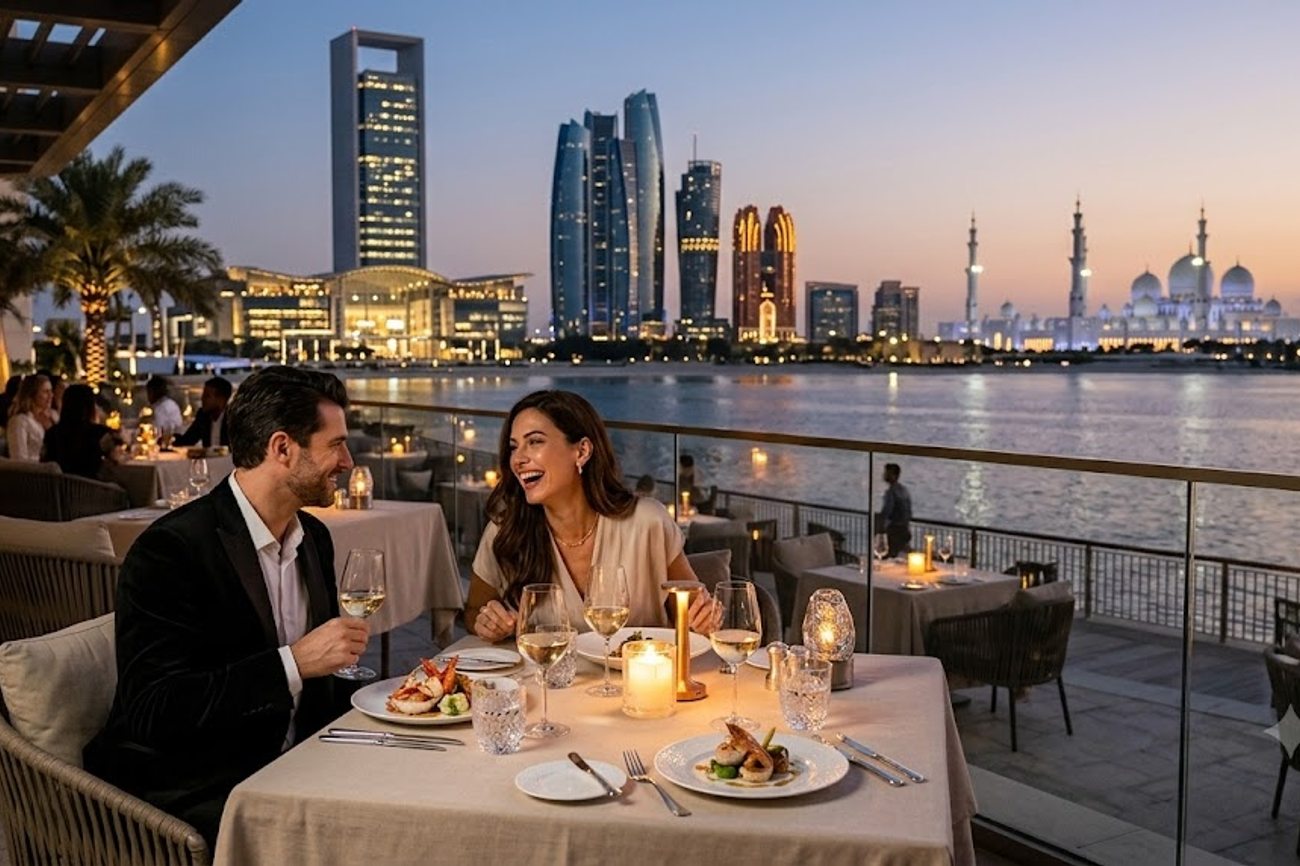
Image generated by AI
Are you planning a trip to the UAE and wondering how to maintain your dietary requirements while staying in luxury resorts? Starting this quarter, Abu Dhabi has implemented a mandatory shift in its hospitality sector that fundamentally changes how you will interact with menus and dining services across the emirate.
The Mandatory Shift to Wellness Dining
Abu Dhabi has officially integrated public health mandates into its tourism infrastructure to ensure that luxury travel does not come at the expense of physical well-being. This is not a voluntary "wellness trend" adopted by a few boutique hotels; it is a regulatory requirement for every food and beverage outlet operating under an official tourism license. The goal is to remove the friction travelers often face when trying to find nutritionally balanced meals in high-end hospitality environments.
The rollout occurred in two distinct phases to allow the culinary sector to adapt. The policies initially took effect in July, providing a grace period for chefs and operators to reformulate their offerings. Full enforcement and mandatory compliance began on October 1. This means that any licensed tourist establishment you visit from this date forward must adhere to these strict nutritional standards.
The backbone of this initiative is a strategic partnership between the Department of Culture and Tourism – Abu Dhabi (DCT Abu Dhabi) and the Healthy Living initiative. By leveraging the scientific oversight of the Abu Dhabi Public Health Centre (ADPHC), the emirate has moved from suggestive health options to a codified system of nutritional transparency.
Regulatory Compliance Framework
The new laws dictate exactly how menus must be structured to qualify for a tourism license. The requirements are broken down by demographic and course category to ensure there are no gaps in healthy availability.
| Menu Category | Compliance Requirement | Standard Applied | Status |
|---|---|---|---|
| Adult Appetizers | Minimum 1 certified healthy choice | SEHHI Framework | Mandatory |
| Adult Main Courses | Minimum 1 certified healthy choice | SEHHI Framework | Mandatory |
| Adult Side Dishes | Minimum 1 certified healthy choice | SEHHI Framework | Mandatory |
| Adult Desserts | Minimum 1 certified healthy choice | SEHHI Framework | Mandatory |
| Children's Menus | 50% of all items must be healthy | ADPHC Standards | Mandatory |
| Table Condiments | Low-sodium salt as default | Heart-Health Initiative | Mandatory |
Traveler Logistics Guide
When navigating Abu Dhabi's dining scene under these new rules, your approach to ordering and venue selection should change. Here is the practical step-by-step guide to utilizing these regulations for your benefit.
Identifying Certified Meals You no longer need to interrogate servers about ingredients or preparation methods. Look for the SEHHI symbol on the menu. SEHHI is the official nutritional classification system developed by the ADPHC. If a dish carries this mark, it has undergone a rigorous review process to ensure it meets specific nutritional balances. When scanning a menu at a resort or hotel, locate the SEHHI icon first to immediately identify the compliant options in every category.
Managing Family Dining For those traveling with children, the logistics of healthy eating are significantly simplified. Because 50 per cent of all children's menu items must now meet approved nutritional standards, you can expect a balanced variety of options rather than the typical fried fare. This makes the emirate a more viable destination for parents adhering to strict pediatric nutritional guidelines.
Navigating Cardiovascular Health If you are managing hypertension or a low-sodium diet, be aware that the environment has changed. Standard sodium shakers have been replaced with low-sodium salt as the default table option. This is a systemic change across licensed venues to support heart health. If you require specific dietary adjustments beyond low-sodium options, it is still recommended to notify the staff, but the baseline environment is now designed to be heart-conscious.
Booking and Venue Verification To ensure you are staying at a venue that follows these mandates, verify that your hotel or restaurant operates under an official tourism license. Most major resorts and luxury hotels are covered. You can cross-reference your destination using the Visit Abu Dhabi official portal to ensure the establishments are recognized by the Department of Culture and Tourism.
Digital Integration While the SEHHI symbols are physical markers on menus, many hotels are integrating these nutritional markers into their digital concierge apps. Before you even arrive at the restaurant, check the hotel's digital menu to pre-plan your meals based on the SEHHI classifications.
Regional Connectivity Impact
This regulatory shift positions Abu Dhabi as a primary hub for wellness tourism in the Middle East. By codifying health standards, the city is attracting a new demographic of "restorative" travelers—those who visit specifically for health retreats and medical tourism. This creates a synergy between the city's luxury infrastructure and its public health goals.
The impact extends beyond the plate. By aligning the Department of Culture and Tourism with public health mandates, Abu Dhabi is creating a standardized "wellness corridor." Travelers arriving via Zayed International Airport and staying in licensed tourism zones can now expect a consistent level of nutritional transparency that was previously only available in specialized wellness clinics. This reduces the logistical burden on health-conscious nomads who typically spend hours researching "safe" dining options before arriving in a new city.
The move also forces a local supply chain evolution. To meet the SEHHI requirements, executive chefs are increasingly sourcing nutrient-dense, local ingredients, which reduces the carbon footprint of the hospitality sector and improves the overall quality of the food available to transit passengers and long-term visitors.
FAQ: Abu Dhabi Dining Regulations 2024
How do I know if a dish is actually healthy? Look for the SEHHI classification symbol on the menu. This icon indicates that the dish has been certified by the Abu Dhabi Public Health Centre (ADPHC) as meeting strict nutritional balance standards.
Does this apply to every restaurant in the city? No. These regulations are mandatory only for food and beverage outlets that operate under an official tourism license, which primarily includes hotel restaurants and resort dining venues.
Will I still find standard salt on the tables? In licensed tourism venues, low-sodium salt is now the default option. Standard sodium shakers have been replaced to proactively support the cardiovascular health of guests.
Are there healthy options for kids? Yes. By law, at least 50 per cent of all items on children's menus in licensed tourism establishments must meet approved healthy nutritional standards.
Your itinerary should prioritize your health as much as your destination.
Related Travel Guides
- Moon Festival 2026 Puts San José at the Heart of Vietnamese Culture in California
- Mexico Unites with Canada and Dominican Republic as More American Tourists are Going Resulting August Air Ticket Sales Reach Record 9.8 Billion USD
- United Kingdom Aligns With Norway and Finland as Cooler Europe Destinations Attract Heatwave Travellers: All You Need to Know
Disclaimer
This article is for informational and educational purposes only. It does not constitute legal, financial, or professional advice. While we strive to provide accurate and up-to-date information, travel policies, regulations, and conditions change rapidly. Always verify information with official sources before making travel decisions. Nomad Lawyer makes no representations about the accuracy, reliability, completeness, or suitability of the information provided. Readers should consult qualified professionals for advice specific to their circumstances. The views expressed in this article are those of the author and do not necessarily reflect the views of Nomad Lawyer.
Raushan Kumar
Founder & Lead Developer
Full-stack developer with 11+ years of experience and a passionate traveller. Raushan built Nomad Lawyer from the ground up with a vision to create the best travel and law experience on the web.
Learn more about our team →