
Peru Travel Advisory 2026: Safety Updates for Machu Picchu, Cusco, and Andean Trekking

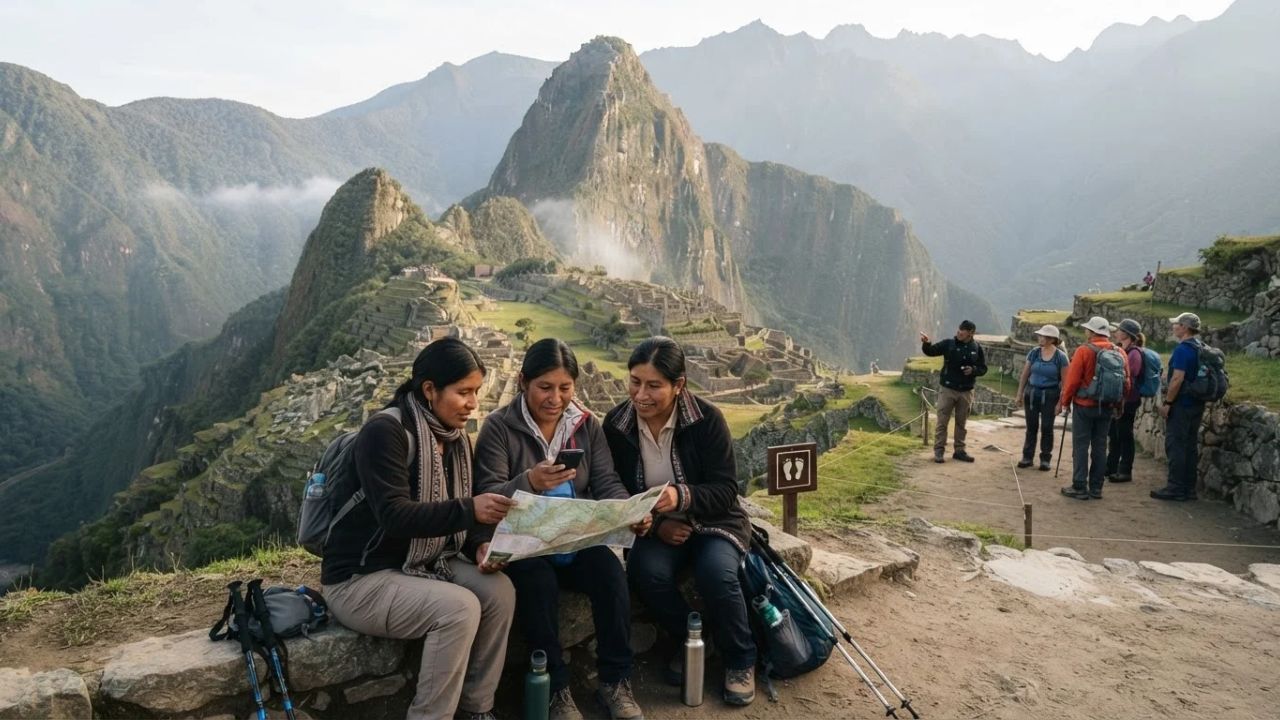
International consular authorities have renewed travel advisories for Peru for 2026, maintaining an 'Exercise Increased Caution' advisory while keeping major tourism circuits—including Machu Picchu, Cusco, the Sacred Valley, and the Inca Trail—fully operational and accessible. The updated guidance delineates a sharp contrast between safe, well-policed tourist corridors and isolated interior regions, emphasizing that informed planning and registered tour operators are the foundation of secure Andean exploration.
The advisory clarification reassures international adventure travelers that Peru remains open and welcoming, dispelling rumors of nationwide travel bans. While urban opportunistic crime and regional social demonstrations require sensible vigilance, the vast majority of visitors experience safe, rewarding journeys through Peru's world-renowned historical citadels and high-altitude hiking paths.
The Local Trend Revealed: Regional Safety Nuance Across Peru
Travel advisories updated on September 13, 2026, at 18:02 GMT+5:30 reaffirm that Peru operates under localized risk tiers rather than a uniform national security status.
Government and diplomatic assessments categorize risk by geographic sector. Primary cultural attractions—including the imperial Inca capital of Cusco, the architectural wonders of Ollantaytambo and Pisac in the Sacred Valley, Lake Titicaca in Puno, and the colonial center of Arequipa—continue to welcome tens of thousands of international visitors under stable, well-managed conditions.
In contrast, specific remote border corridors and internal river basins remain under strict travel warnings:
- The VRAEM Region: Covering portions of the Valley of the Apurímac, Ene, and Mantaro rivers, this isolated interior territory experiences persistent risks tied to illicit narcotics operations and remnants of armed dissident groups. It lies completely outside any commercial travel circuit.
- Northern Border Sectors: Specific jungle checkpoints bordering Colombia face heightened surveillance due to cross-border smuggling networks.
- Urban Transit Hubs: Heavy urban centers like Lima require practical precautions regarding street muggings, counterfeit currency, and unlicensed taxi scams.
Understanding this geographic reality allows international travelers to navigate the country confidently without succumbing to unwarranted alarm.
Regional Safety Assessment and Transit Guide for Peru
| Travel Region | Security Classification | Primary Visitor Considerations | Recommended Precautionary Action |
|---|---|---|---|
| Machu Picchu & Sacred Valley | Low to Moderate (Standard Caution) | Well-patrolled archaeological parks; potential seasonal train strikes | Book tickets through official government portals; register with licensed guides |
| Historic Cusco & San Blas | Moderate (Standard Urban Vigilance) | Altitude sickness (soroche) and opportunistic evening pickpocketing | Use registered radio or app-based taxis; store passports in hotel safes |
| Lima (Miraflores, Barranco, San Isidro) | Low to Moderate (Standard Urban Vigilance) | Dense coastal urban neighborhoods; street bag-snatching on public avenues | Avoid hailing random street taxis; utilize authorized airport transfer desks |
| VRAEM (Apurímac, Ene, Mantaro Valleys) | High Risk (Do Not Travel) | Illicit cartel activity and armed insurgent remnants | Strict avoidance; completely excluded from standard travel itineraries |
| Colombia Border Riverways | Elevated Risk (Reconsider Travel) | Smuggling corridors and remote river checkpoints | Stick strictly to regulated tourist river cruises departing from Iquitos |
Urban Safety and Transit: Navigating Lima and Gateway Airports
For international travelers entering Peru, arrival through Jorge Chávez International Airport (LIM) in Callao represents the primary initial touchpoint.
The immediate district surrounding Lima's airport can present security challenges, particularly after dark. Travel authorities emphasize that arriving passengers should avoid walking outside airport perimeters with luggage or hailing unmarked street cabs outside the terminal. Instead, visitors should utilize pre-booked hotel shuttles, official Green Taxi (Taxi Green) counters located inside the international arrivals concourse, or verified ride-hailing applications.
When staying in the capital, sticking to secure coastal districts like Miraflores, San Isidro, and Barranco offers excellent walkability, top-tier private security, and direct access to world-class gastronomy. When exploring crowded public plazas such as the Plaza Mayor in central Lima, keep smartphones and cameras discreetly tucked into zipped cross-body bags, and avoid flashing expensive jewelry or large sums of Peruvian Soles.
High-Altitude Trekking Security: Wilderness Preparation and Rescue Logistics
Peru's mountain trekking sector continues to attract hikers from every continent, drawn to legendary trails such as the Classic Inca Trail, the Salkantay Trek, the Ausangate Circuit, and the high passes of the Cordillera Blanca near Huaraz.
In wilderness environments, security concerns shift from street crime to physical safety, environmental exposure, and remote rescue logistics.
Vetting Licensed Operators Through MINCETUR
When reserving guided expeditions, always verify that the agency holds an active operating license registered with the Ministry of Foreign Trade and Tourism (MINCETUR) and SERNANP. Licensed operators provide trained wilderness first-responders, carry supplemental oxygen cylinders, maintain satellite communication devices, and treat local Quechua porters and horsemen ethically with proper mountain gear and fair wages.
Medical Evacuation Insurance for Extreme Elevation
High-altitude adventure travel demands specialized travel medical insurance. Many standard travel insurance policies exclude hiking activities that exceed 3,000 meters (9,840 feet). Because routes like the Salkantay Pass (4,630 meters) and Rainbow Mountain / Vinicunca (5,200 meters) cross extreme elevations, travelers must ensure their policies explicitly include high-altitude search-and-rescue coverage and emergency medical evacuation by private ground ambulance or helicopter.
Cultural & Environmental Value: Responsible Travel and Community Solidarity
Adhering to safety protocols also strengthens bonds with local host communities, ensuring that international visits foster mutual respect and regional economic stability.
Navigating Social Demonstrations and Rail Disruptions
Rural strikes (paros) occasionally occur across Andean transport arteries, where local agricultural unions or rail workers stage blockades to voice regional concerns. These demonstrations are generally targeted at government authorities rather than foreign visitors.
Responsible travelers should respect peaceful civic actions. Rather than attempting to force their way through roadblocks or confronting demonstrators, travelers should work through their licensed tour operators and hotel concierges to rearrange transfer schedules. Railway operators such as PeruRail and Inca Rail provide early warning notifications and flexible rebooking options during labor actions along the Ollantaytambo–Aguas Calientes rail corridor.
Supporting Local Economies Directly
Directing travel spending into local hands enhances security by fostering goodwill between travelers and host populations. Purchasing handmade textiles directly from community cooperatives in Chinchero, dining at family-run picanterías in Arequipa, and tipping trekking support staff generously directly supports families in the Andean highlands.
Visitor Insider Tips: Safe Navigation, Altitude Wisdom, and Authentic Culture
To guarantee a secure, culturally enriching Peruvian journey, incorporate these practical insider tips:
- Official Taxi Tactics in Major Cities: Never hail an unmetered, unmarked street taxi (tico) in Lima or Cusco. Unofficial street cabs have been implicated in express robberies. Use app-based platforms like Uber or Cabify, or have your hotel reception or restaurant desk call an authorized radio-dispatch taxi.
- Managing Currency and Counterfeits: Counterfeit currency remains a common issue in South America. Inspect Peruvian Sol banknotes carefully, especially 50, 100, and 200 Sol bills. Look for genuine watermarks and color-shifting security inks. Carry smaller denominations (10 and 20 Sol bills) and coins (monedas) for tipping and purchasing street snacks, as small market vendors rarely have change for large bills.
- Altitude Adaptation Strategy:
- Spend your initial 48 hours resting and hydrating with mineral water and hot muña (Andean mint) infusions.
- When dining in high-elevation cities like Cusco, eat light meals such as sopa de quinua (quinoa soup) or steamed vegetables. Avoid heavy grilled meats and excess alcohol on your arrival day, as digestion slows dramatically at high altitude.
- Local Culinary Gems to Experience Safely:
- Fresh Ceviche: Savor Peru's national culinary pride at reputable lunchtime cebicherías in Lima's Miraflores or Barranco neighborhoods. Look for establishments that serve day-boat Corvina (sea bass) or Lenguado (flounder) cured in fresh Key lime juice, tossed with red onions, rocoto chili, sweet potato (camote), and giant Andean corn kernels (choclo). Locals eat ceviche exclusively at lunch to ensure peak freshness.
- Lomo Saltado: A celebrated Chifa (Peruvian-Chinese) fusion dish of tender beef tenderloin strips flash-fried in a hot wok with red onions, tomatoes, ají amarillo, soy sauce, and cilantro, served over crisp french fries and steaming white rice.
- Chicha Morada: A refreshing non-alcoholic beverage brewed from purple corn simmered with pineapple rinds, green apples, cinnamon sticks, and cloves, sweetened with lime juice and raw cane sugar.
- Emergency Assistance Contact Numbers: Save the official Peru Tourist Police (POLTUR) emergency contact number (+51 1 460-1060) and the iPerú traveler assistance hotline (+51 1 574-8000). The iPerú agency operates 24/7 informational kiosks at airports and central plazas across the country, providing bilingual safety alerts and dispute resolution with tour operators.
Tourism Outlook: Resilient Heritage Travel Built on Informed Preparation
Peru's travel industry remains one of South America's most resilient economic engines. International travelers who approach the country with realistic awareness, thorough preparation, and cultural respect consistently enjoy unforgettable expeditions.
The 2026 travel advisory serves not as a deterrent, but as an essential roadmap for smart exploration. By distinguishing between remote high-risk territories and thoroughly protected tourism circuits, visitors can experience the wonders of Machu Picchu, the colonial plazas of Cusco, and the majestic peaks of the Andes with peace of mind. As responsible travel practices become standard across the global tourism sector, Peru continues to inspire adventurers who value authentic cultural connection and conscientious global citizenship.
Related Travel Guides
Sustainable Luxury in Peru: How Cusco and the Sacred Valley Are Redefining South American Travel
Sharjah Airport Expands Global Reach at ATM 2026: 19.4M Passengers and Terminal Upgrades
Disclaimer
This article is for informational and educational purposes only. It does not constitute legal, financial, or professional advice. While we strive to provide accurate and up-to-date information, travel policies, regulations, and conditions change rapidly. Always verify information with official sources before making travel decisions. Nomad Lawyer makes no representations about the accuracy, reliability, completeness, or suitability of the information provided. Readers should consult qualified professionals for advice specific to their circumstances. The views expressed in this article are those of the author and do not necessarily reflect the views of Nomad Lawyer.
Raushan Kumar
Founder & Lead Developer
Full-stack developer with 11+ years of experience and a passionate traveller. Raushan built Nomad Lawyer from the ground up with a vision to create the best travel and law experience on the web.
Learn more about our team →