
BVI Expands Puerto Rico Boating Alliances: September Flotilla Tests 10-Year National Blue Tourism Strategy

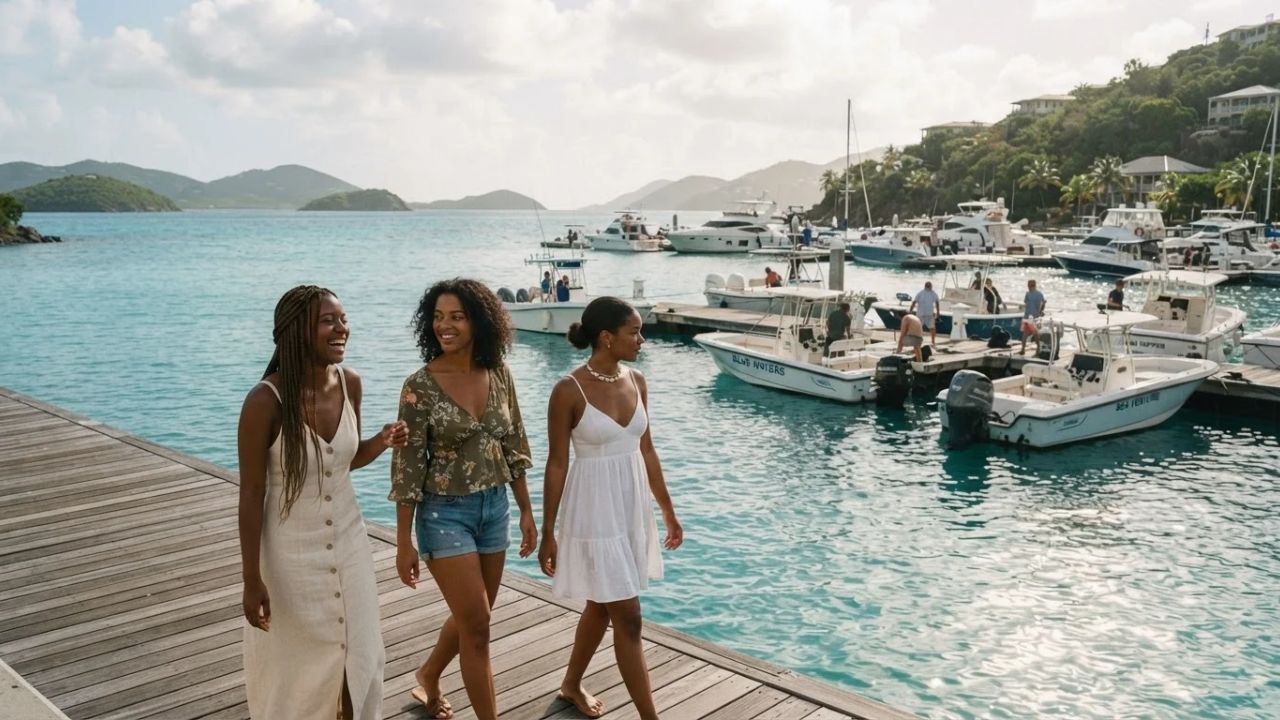
Testing an innovative operational strategy to stimulate economic activity during the Caribbean's quietest shoulder month, the British Virgin Islands (BVI) hosted the inaugural Boston Whaler Takeover from September 4 to September 7, 2026. Bringing 15 recreational vessels and over 45 boaters from the Puerto Rico Whaler Owners Club to Tortola, Scrub Island, and Jost Van Dyke, the targeted flotilla represents the first direct activation of the newly ratified Virgin Islands National Tourism Policy 2026–2036, which establishes 'Blue Tourism' as the foundation for sustainable marine economic growth.
While modest in absolute numbers compared to July’s massive 500-boat flotillas, the September pilot carries profound strategic implications. Traditionally, September represents the lowest-demand window of the Caribbean calendar, when many resorts, charter fleets, and independent beachside taverns temporarily scale down operations or shutter completely. By demonstrating that proximate nautical source markets like Puerto Rico can be mobilized outside peak holiday weeks, the BVI is pioneering a data-driven model that disperses visitor expenditures across the Sister Islands while protecting small businesses from severe seasonal revenue cliffs.
The Local Trend Revealed: De-Seasonalizing the Caribbean Marine Economy
The arrival of the 15-vessel flotilla marks an intentional shift in Caribbean destination management.
For more than a decade, the relationship between Puerto Rico’s marine community and the British Virgin Islands peaked during the annual "Christmas in July" celebration at Pond Bay on Virgin Gorda. In 2026, the 14th edition of that gathering set a record, drawing 500 boats and over 6,000 visitors. However, concentrating thousands of vessels onto a single weekend strains anchorage ecosystems, overtaxes customs facilities, and leaves local hospitality operators facing empty slips once the holiday concludes.
Approved by Cabinet in mid-2026, the Virgin Islands National Tourism Policy 2026–2036 outlines eight interconnected strategic pillars: Blue Tourism, Product and Niche Market Development, Access and Transport Services, Tourism Destination Management, Climate Resilience, and Inclusive Growth.
The September Puerto Rico initiative was specifically engineered by tourism officials alongside Wally Castro Marine—based at Safe Harbor Puerto del Rey in Fajardo, Puerto Rico—to test whether recreational boaters would make secondary, off-peak voyages when incentivized by specialized berthing packages and dedicated marina rates.
Strategic Breakdown: The September Marine Tourism Pilot
| Policy & Market Dimension | Recorded Indicator | Operational Significance | Long-Term Strategic Benefit |
|---|---|---|---|
| Participant Scale | 15 vessels / 45+ participants | Highly manageable pilot size | Allows precise testing of digital customs clearance and marina hospitality |
| Travel Dates | September 4–7, 2026 | Historical low point of tourist calendar | Keeps coastal restaurants, fuel docks, and provisioning markets open |
| Island Dispersal | Tortola, Scrub Island, Jost Van Dyke | Distributes spending across multiple cays | Prevents over-concentration in single anchorages; supports Sister Islands |
| Marine Industry Partner | Wally Castro Marine (Fajardo) | Direct access to Puerto Rico’s largest marina | Establishes a permanent pipeline with high-net-worth recreational boaters |
| Baseline Anchor Event | Christmas in July (500 boats, 6,000+ pax) | Massive peak-season concentration | Proves Puerto Rican boaters have deep affinity for BVI sailing corridors |
Macro Tourism Context: Shifting Focus from Raw Volume to High-Yield Dispersion
The September initiative arrives as the British Virgin Islands records robust post-pandemic visitor expansions.
According to official government figures, the territory welcomed more than 300,000 overnight visitors in each of the previous two calendar years, with overnight visitation expanding by approximately six percent during the first quarter of 2026 compared to the previous year. Concurrently, the BVI Ports Authority documented 493,397 cruise passenger arrivals during the first quarter of 2026 alone—a surge of 29.3 percent year-on-year.
With peak-season arrival volumes approaching terminal capacity, the territory’s tourism mandate has shifted from pursuing sheer headcounts to cultivating high-value, low-impact niche travelers. Marine visitors arriving aboard private motor yachts and catamarans represent the ideal demographic: they generate significant spending across dockage, mechanical services, marine fueling, artisanal retail, culinary dining, and taxi transfers, distributing wealth directly into coastal settlements.
Cross-Border Logistics: Streamlining Border Technology Between Two Jurisdictions
Navigating the nautical passage between Puerto Rico and the British Virgin Islands requires crossing an international border between two distinct legal systems:
- Puerto Rico: A Commonwealth and insular territory of the United States, utilizing US Customs and Border Protection (CBP) border regulations.
- The British Virgin Islands: A self-governing British Overseas Territory whose Cabinet and Department of Immigration establish destination-specific entry criteria independent of the United Kingdom.
Because both destinations share the US Dollar as their official currency, financial friction is virtually non-existent. However, the viability of recurring shoulder-season trips depends entirely on seamless border administration.
To facilitate private vessel arrivals, the BVI Government transitioned its customs clearance to a fully electronic system via BVIEDCARD.GOV.VG on January 1, 2025. Following technical upgrades, the Department of Immigration confirmed on June 2, 2026, that the portal is fully operational, allowing captains to submit passenger manifests, vessel documents, and customs declarations online prior to departure from Fajardo, with zero application fees.
Upon returning to Puerto Rican waters, skippers utilize the US CBP ROAM (Reporting Offsite Arrival - Mobile) application, which permits pleasure craft operators to report their return electronically, avoiding hours of physical inspection at border docks.
Weather Risk Management: Navigating Atlantic Hurricane Season Realities
September boating in the Caribbean requires careful risk management. The Atlantic hurricane season runs from June 1 through November 30, with historical climatological activity peaking around September 10.
However, meteorological data supports calculated shoulder-season travel. The National Oceanic and Atmospheric Administration (NOAA) updated its 2026 seasonal forecast to reflect a 75 percent probability of a below-normal Atlantic hurricane season. While the National Hurricane Center monitored a central subtropical disturbance with a 20 percent seven-day formation probability on September 13, calm sea conditions prevailed throughout the Sir Francis Drake Channel.
To build consumer confidence for off-peak marine travel, participating marinas on Scrub Island and Tortola introduced flexible booking covenants. These policies permit boaters to reschedule moorings or claim full credit refunds in the event of tropical storm warnings, demonstrating how climate resilience and flexible booking terms can unlock commercial viability during low-season months.
Cultural & Environmental Value: Supporting Community Harbors and Reef Protection
The expansion of Blue Tourism is intrinsically tied to environmental conservation and community empowerment across the archipelago.
Preserving Marine Ecosystems with Moorings
Unregulated anchoring by recreational vessels can cause severe damage to fragile brain corals, elkhorn structures, and feeding grounds for endangered green sea turtles.
In coordination with the National Parks Trust of the Virgin Islands (NPTVI), visiting boaters in the Boston Whaler flotilla utilized registered non-extractive mooring buoys at Cane Garden Bay and Jost Van Dyke. Mooring fees directly finance the ongoing maintenance of marine park boundaries, reef monitoring programs, and coastal water quality testing.
Sustaining Small Island Micro-Economies
When marine visitors disembark at White Bay on Jost Van Dyke or Cane Garden Bay on Tortola during September, their presence provides vital cash flow to family-run beachside kitchens, local musicians, taxi drivers, and dive operators.
Rather than relying on imported corporate resort chains, boaters purchase fresh spiny lobster from local artisanal fishermen and patronize independent beach bars, keeping community members employed without interruption throughout the autumn season.
Visitor Insider Tips: Anchorage Hacks, Entry Protocols, and Island Specialties
For boaters and independent travelers planning to navigate the British Virgin Islands during the shoulder season, these local specialist recommendations ensure a flawless voyage:
- Official Ports of Entry for Private Vessels: When arriving by private boat from Puerto Rico or the US Virgin Islands, you must clear Customs and Immigration immediately at one of the four designated sea ports of entry:
- Road Town (Tortola)
- West End (Tortola)
- Great Harbour (Jost Van Dyke)
- St. Thomas Bay (Virgin Gorda)
- Beware of Fraudulent ED Card Scams: Always ensure you submit arrival forms exclusively through the official government portal (
BVIEDCARD.GOV.VG). The official online ED Card is completely free of charge. Do not pay third-party commercial websites demanding administrative processing fees. - Mastering White Bay on Jost Van Dyke: White Bay is home to the world-famous Soggy Dollar Bar, celebrated as the birthplace of the original Painkiller cocktail (a blend of dark rum, cream of coconut, pineapple juice, orange juice, and freshly grated Grenadian nutmeg). Because there are no commercial docks in White Bay, boaters anchor in the sandy turquoise shallows and swim ashore, keeping their US Dollar bills in waterproof pockets.
- Culinary Gems of Tortola: In Cane Garden Bay, visit Myett’s or Rhymer’s to savor traditional Virgin Islands fungi (a comforting dish of cornmeal and okra simmered with butter) paired with spicy saltfish stew, or sample freshly baked Caribbean rotis packed with curried goat and chickpeas.
- Shoulder Season Travel Strategies:
- Take advantage of marina berthing discounts: premier resort marinas like Scrub Island Resort, Spa & Marina offer dockage and room rates up to 40 percent below peak winter rates during September and October.
- Pack extra dry bags, inspect bilge pumps, and maintain active subscriptions to satellite marine weather applications like PredictWind to monitor shifting afternoon squalls.
Tourism Outlook: Transforming Regional Boating into a Year-Round Engine
The successful execution of the Boston Whaler Takeover demonstrates that the British Virgin Islands' 10-year Blue Tourism vision is already yielding tangible results.
By transforming an informal regional boating community in Puerto Rico into an active shoulder-season market, the BVI is rewriting the rules of Caribbean seasonality. Success in the modern tourism sector is no longer determined by peak-season crowd counts, but by the ability to maintain steady, sustainable economic vitality throughout the year.
As digital border processing becomes standard and marine operators adopt climate-flexible policies, the path between Fajardo and the Sir Francis Drake Channel is poised to become a thriving, year-round corridor—protecting marine ecosystems, empowering Sister Island communities, and celebrating the peerless sailing heritage of the Virgin Islands.
Related Travel Guides
Dolly Parton's SongTeller Hotel and Museum Opens in Nashville: A New Icon for Music City Tourism
Toronto Film Festival 2026: TIFF 51st Edition Spotlights Global Cinema and Canada's Cultural Tourism
Disclaimer
This article is for informational and educational purposes only. It does not constitute legal, financial, or professional advice. While we strive to provide accurate and up-to-date information, travel policies, regulations, and conditions change rapidly. Always verify information with official sources before making travel decisions. Nomad Lawyer makes no representations about the accuracy, reliability, completeness, or suitability of the information provided. Readers should consult qualified professionals for advice specific to their circumstances. The views expressed in this article are those of the author and do not necessarily reflect the views of Nomad Lawyer.
Raushan Kumar
Founder & Lead Developer
Full-stack developer with 11+ years of experience and a passionate traveller. Raushan built Nomad Lawyer from the ground up with a vision to create the best travel and law experience on the web.
Learn more about our team →