
The Great American Travel Shift: How Pennsylvania, Virginia, and Tennessee Are Turning Heritage Tourism Into Multibillion-Dollar Economies
Pennsylvania’s visitor economy hits $87.2 billion alongside records in Virginia and Tennessee, as travelers swap quick city getaways for deep heritage routes and wilderness corridors.

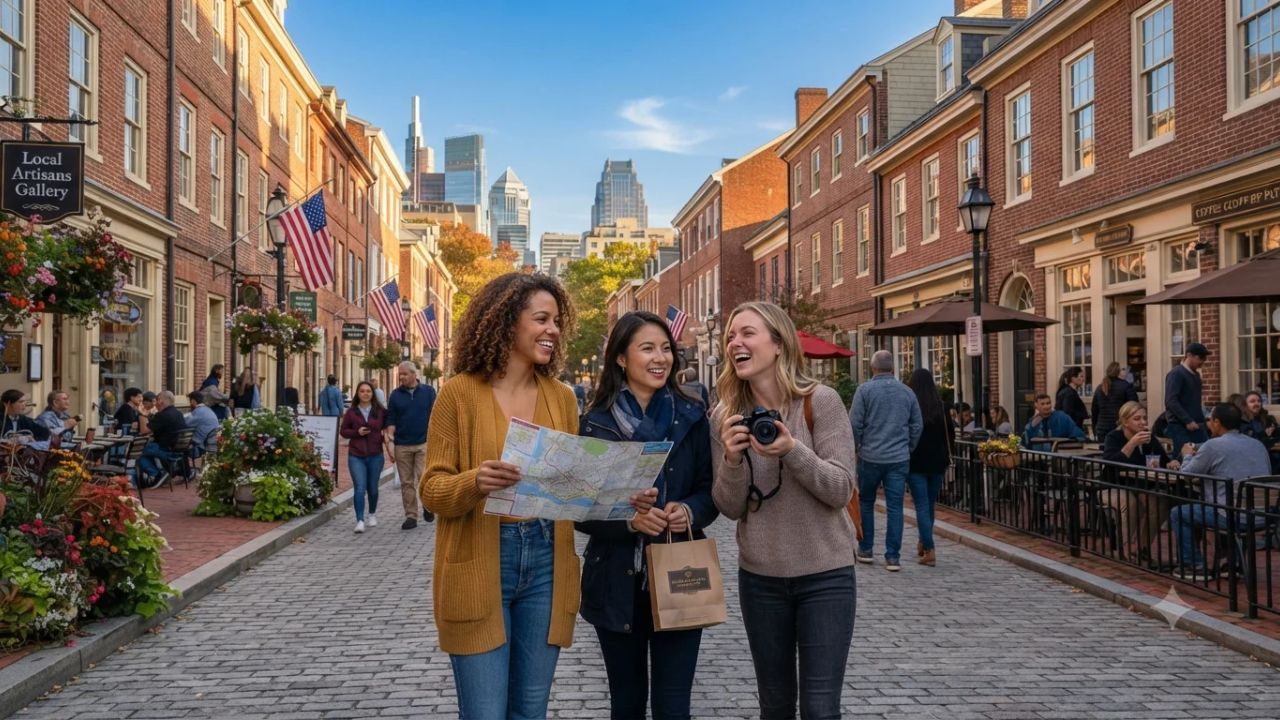
While California and Texas continue to lead gross national travel volumes, Pennsylvania recorded 206.2 million visitors and an unprecedented $87.2 billion economic impact, proving that regional heritage corridors and wilderness preserves are outperforming traditional leisure capitals in year-over-year spending growth. According to the latest annual findings released by the Pennsylvania Department of Community and Economic Development, direct traveler spending rose 3.5 percent to $51.6 billion, generating $5.2 billion in state and local tax revenues and supporting 521,021 jobs across the Commonwealth.
This surge reflects a profound realignment in American domestic travel. Supported by a newly allocated $19.5 million marketing fund within the 2026–2027 state budget under Governor Josh Shapiro and DCED Secretary Rick Siger, the state has expanded its travel economy by $6.4 billion and added 13,427 sector jobs since 2023. Alongside historic milestones in Virginia ($36.2 billion in spending across 46.6 million overnight stays) and Tennessee ($32.5 billion in spending across 150 million visits), travelers are increasingly seeking immersive journeys anchored in historic preservation, architectural landmarks, and conserved public lands.
Comparative State Tourism Performance & Regional Heritage Anchors
| State | 2025 Economic Impact / Spending | Key Growth Metrics | Iconic Cultural & Outdoor Anchors |
|---|---|---|---|
| Pennsylvania | $87.2B total impact ($51.6B direct spending) | +3.5% spending growth; 206.2M visits; 521,021 jobs | Independence Hall, Fallingwater, Gettysburg, PA Wilds |
| Virginia | $36.2B direct visitor spending | +3.1% spending increase; 46.6M overnight stays; 232,000 jobs | Shenandoah National Park, Colonial Williamsburg, Blue Ridge |
| Tennessee | $32.5B direct visitor spending | +2.7% spending rise; 150M visits; +40% spending since 2018 | Great Smoky Mountains, Nashville Music Row, Memphis Blues |
| Georgia | $46.2B spending ($84.1B total impact) | +2% spending growth; 175.6M visits; 473,837 jobs | Savannah Historic District, Golden Isles, Chattahoochee |
| Colorado | $29.2B total tourism contribution | +2% spending increase; 96M+ outdoor recreation visits | Rocky Mountain National Park, San Juan Range, Mesa Verde |
| Hawaii | $21.75B direct visitor spending | +5.7% spending surge despite 0.6% dip in total arrivals | Hawaiian cultural reserves, Maui conservation zones, Kauaʻi |
| Utah | $13.7B direct visitor spending | Record spending; 167,200 jobs; $1.6B direct taxes | Mighty 5 National Parks, Wasatch Range, Monument Valley |
What Is Driving the Regional Heritage Boom
The expansion of visitor spending in states like Pennsylvania and Virginia indicates that travelers are staying longer, exploring regional backroads, and investing in high-value cultural experiences. Tourism in the Commonwealth has shifted far beyond short excursions to Center City Philadelphia or downtown Pittsburgh. Instead, visitors are tracing cohesive historic arcs that connect early colonial governance, Revolutionary battlefields, industrial ironworks, and 20th-century organic architecture.
This transformation earned the state three national U.S. Travel Association ESTO accolades, including the Bridging Communities Award, Digital Brilliance Award, and Marketing Momentum Award. By linking urban centers with rural counties, tourism spending distributes income directly into small-town hospitality:
- Founding Heritage: Independence National Historical Park in Philadelphia houses the Liberty Bell and Independence Hall, an inscribed UNESCO World Heritage Site where both the Declaration of Independence and the United States Constitution were debated and signed.
- Architectural Pilgrimages: In Mill Run within the Laurel Highlands, Frank Lloyd Wright's Fallingwater stands as a masterwork of 20th-century architecture that integrates living spaces directly over a mountain waterfall.
- Revolutionary and Civil War Battlegrounds: From the winter encampments at Valley Forge National Historical Park and the Brandywine Battlefield to the hallowed grounds of Gettysburg National Military Park, historical interpretation centers provide deep, educational journeys.
- Industrial Innovation & Living Traditions: Preserving early iron-smelting communities at Hopewell Furnace National Historic Site, touring America's oldest continuously operating brewery at Pottsville's Yuengling Brewery, and exploring the Amish agrarian traditions of Lancaster’s Dutch Country.
Experiencing the Commonwealth Beyond the Cities
Pennsylvania’s geographic diversity allows travelers to pair world-class cultural institutions with remote wilderness within a three-hour drive. The north-central region, designated as the Pennsylvania Wilds, covers over two million acres of public lands where elk herds roam and dark-sky preserves at Cherry Springs State Park offer some of the clearest stargazing east of the Mississippi.
Further west in McKean County, Kinzua Bridge State Park showcases the engineering wonder of the reconstructed Kinzua Viaduct, where a pedestrian skywalk extends over 600 feet into the Kinzua Gorge. Along the northwestern border, Presque Isle State Park on Lake Erie provides sandy coastline, freshwater lagoons, and migratory bird habitats, illustrating the ecological range that draws over 200 million annual visitors.
Visitor Insider Tips for Authentic Exploration
Planning a trip through Pennsylvania's historical and wilderness trails requires strategic timing to avoid tour bus peaks:
- Fallingwater Booking Window: Reserve architectural tours at Fallingwater 6 to 8 weeks in advance for spring and autumn dates. Opt for the 08:30 First-Light tour to photograph the cantilevered terraces before mid-day sunlight creates harsh shadows over Bear Run.
- Philadelphia Heritage Access: Independence Hall requires timed-entry tickets between March and December. Pick up free morning tickets at the visitor center or reserve online early, and visit the nearby Museum of the American Revolution and Elfreth's Alley in late afternoon when school excursions depart.
- Lancaster Countryside Etiquette: When driving the backroads around Bird-in-Hand and Intercourse, maintain safe following distances behind horse-drawn buggies and avoid photographing Amish residents directly, in accordance with local cultural customs.
- PA Wilds Stargazing Logistics: Visit Cherry Springs State Park during a new-moon phase. Bring red-filtered flashlights to preserve night-vision adaptation on the astronomy observation field, as white light is strictly prohibited.
- Historic Route Pairing: Connect Philadelphia to Gettysburg along Route 30 (the historic Lincoln Highway) rather than the Pennsylvania Turnpike, allowing stops at historic stone taverns, roadside orchards, and local cider mills across Adams County.
Cultural and Environmental Context
The rise in regional tourism brings critical support to local conservation trusts and historic preservation initiatives. Tourism taxes in Pennsylvania contribute directly to maintaining 124 state parks, which remain entirely free of entry fees for the public. This open-access policy ensures that outdoor recreation and ecological education remain democratic and accessible to all socio-economic groups.
At the same time, expanding tourism requires delicate balance in rural communities. In Lancaster County, agricultural preservation trusts utilize agritourism revenue to protect prime farmland against commercial sprawl. In industrial heritage corridors like the Lehigh Valley and Schuylkill River basin, historic iron foundries and canal towpaths have been converted into multi-use rail trails, transforming former rust-belt infrastructure into green transportation networks that support local wellbeing and carbon-neutral travel.
FAQ: Exploring Pennsylvania and Regional Heritage in 2026
What is the best season to explore Pennsylvania's historic routes?
Mid-September through late October offers ideal conditions, combining mild walking weather (15°C to 20°C), active harvest markets in Lancaster County, and peak fall foliage across the Laurel Highlands and Poconos.
Are Pennsylvania State Parks free to enter?
Yes. All 124 Pennsylvania state parks and conservation areas offer completely free admission, including Presque Isle on Lake Erie, Kinzua Bridge, and Cherry Springs.
How do I get to Fallingwater and the Laurel Highlands?
Fallingwater is located approximately 70 miles southeast of Pittsburgh. Renting a vehicle from Pittsburgh International Airport (PIT) is the most efficient way to access the Laurel Highlands and nearby Ohiopyle State Park.
Is Independence Hall open daily for public tours?
Yes. Independence Hall is open daily, but timed entry tickets are required for interior tours throughout most of the year and should be booked ahead through the National Park Service reservation system.
From the cobblestones of Philadelphia to the silent ridges of the Alleghenies, Pennsylvania reveals that the deepest travel experiences are found where living history and protected wild lands meet.
Related Travel Guides
Disclaimer
This article is for informational and educational purposes only. It does not constitute legal, financial, or professional advice. While we strive to provide accurate and up-to-date information, travel policies, regulations, and conditions change rapidly. Always verify information with official sources before making travel decisions. Nomad Lawyer makes no representations about the accuracy, reliability, completeness, or suitability of the information provided. Readers should consult qualified professionals for advice specific to their circumstances. The views expressed in this article are those of the author and do not necessarily reflect the views of Nomad Lawyer.
Raushan Kumar
Founder & Lead Developer
Full-stack developer with 11+ years of experience and a passionate traveller. Raushan built Nomad Lawyer from the ground up with a vision to create the best travel and law experience on the web.
Learn more about our team →