
Malta WTTC Global Summit 2026: Valletta Tourism Leadership and Travel Guide
Over 100 global leaders convene in Valletta for the 26th WTTC Global Summit under the theme FUTU[RE]SET, advancing AI mobility, SME resilience, and sustainable Mediterranean travel.

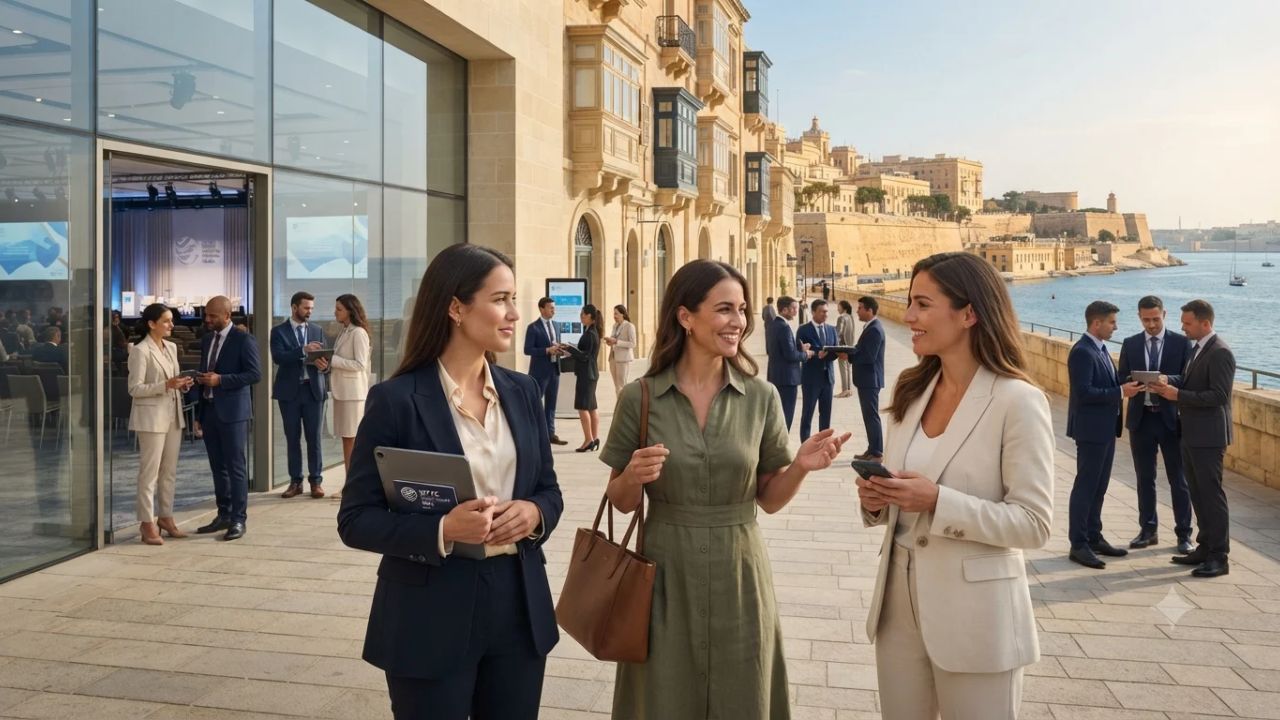
Spanning barely 0.8 square kilometers as the European Union's smallest capital city, the UNESCO-listed fortress city of Valletta hosts the 26th World Travel & Tourism Council Global Summit, convening over 100 global speakers, G20 ministers, and multinational corporate executives. Operating under the defining theme of FUTU[RE]SET, the summit held by the World Travel & Tourism Council transforms Malta's Grand Harbour into the central staging ground for global tourism diplomacy. Led by WTTC President and CEO Gloria Guevara and Chairman Manfredi Lefebvre d’Ovidio alongside Maltese Prime Minister Dr. Robert Abela, Deputy Prime Minister Ian Borg, Minister for Tourism Dr. Jo Etienne Abela, and Malta Tourism Authority CEO Carlo Micallef, the two-day summit addresses biometric border identity, artificial intelligence, and destination carrying capacity.
The FUTU[RE]SET Agenda: Public-Private Alignment in the Mediterranean
The 2026 summit’s core operational structure revolves around eight strategic pillars established by WTTC: safe and seamless border transit, destination stewardship, environmental sustainability, artificial intelligence adoption, crisis preparedness, air-sea connectivity, workforce development, and catalytic capital investment.
A defining feature of the gathering is the Global Leaders Dialogue. Moving away from standard scripted speeches, this format deploys two high-level panels that each pair eight government ministers with four global chief executives. This direct exchange bridges national regulatory policies with commercial aviation, lodging, and cruise operations. Concurrently, the summit advances the Together in Travel initiative, providing specialized digital tools and policy representation for small and medium enterprises (SMEs), which represent approximately 85% of the worldwide travel ecosystem, with a target of organizing a global community of one million travel SMEs.
The summit also launches the WTTC Youth Movement, gathering 90 students and 10 faculty members from 16 international institutions across more than 30 nationalities to draft the youth-led Malta Declaration, setting benchmarks for next-generation tourism careers.
High-Level Sessions and Summit Architecture
Key plenary debates throughout the Valletta gathering focus on the technological and structural forces remaking global visitor flows:
- Digital Identity and Border Operations: Evaluating biometric screening and contactless travel corridors to eliminate physical bottlenecks at international airports and maritime terminals.
- Artificial Intelligence in Hospitality: Examining predictive customer modeling, automated hotel resource management, and localized itinerary design.
- Destination Stewardship: Designing regulatory frameworks that prevent overtourism in fragile historic ports while channeling capital to regional artisans and rural communities.
- The Next Trillion-Dollar Investment: Aligning sovereign wealth funds and private equity with resilient infrastructure, low-emission aviation fleets, and heritage restoration.
WTTC Valletta Summit Structure and Strategic Priorities
| Summit Dimension / Initiative | Participant Composition | Key Themes & Focus Areas | Strategic Deliverable & Output |
|---|---|---|---|
| Global Leaders Dialogue | 16 Ministers (8 per panel) & 8 Global CEOs | Public-private regulatory alignment, investment barriers | Actionable policy frameworks for G20 tourism boards |
| Together in Travel Initiative | Global SME community (85% of sector) | Digital toolkits, crisis resilience, market visibility | Scaling toward 1,000,000 enrolled travel SMEs |
| WTTC Youth Movement | 90 Students, 10 Professors (30+ nationalities) | Workforce skills, hospitality education, equity | Formal presentation of the youth-led Malta Declaration |
| Plenary Agenda (FUTU[RE]SET) | 100+ Global Keynote Speakers & Analysts | AI integration, seamless digital identity, blue economy | Global benchmark reports and 2027 host announcement |
Visitor Insider Tips for Exploring Valletta and the Maltese Archipelago
Delegates and leisure travelers navigating Malta during major international conferences can experience the islands through an authentic local lens.
- Navigating Grand Harbour via Traditional Dghajsa: Instead of taking road taxis around the harbor perimeter, board a traditional wooden dghajsa water taxi from the Valletta waterfront to the Three Cities (Birgu, Senglea, and Cospicua). The crossing takes less than ten minutes and delivers breathtaking sea-level views of 16th-century bastion walls.
- Accessing Upper Barrakka Gardens: To ascend from the cruise liner quay or ferry terminal to central Valletta without climbing steep limestone stairs, take the Barrakka Lift. The panoramic glass elevator rises 58 meters in twenty-five seconds directly into the Upper Barrakka Gardens.
- Boutique Palazzo Stays in the Capital: Rather than booking large commercial coastal resorts in St. Julian's, base yourself inside a restored 17th-century Baroque palazzo within Valletta’s city gates. These heritage properties offer quiet courtyards, traditional Maltese timber balconies, and immediate walking access to St. John’s Co-Cathedral.
- Savoring Local Gastronomy: Skip tourist cafes along Republic Street and seek out side-street bakeries in Rabat or Valletta for hot pastizzi—flaky pastry parcels filled with spiced ricotta or mushy peas. For dinner, reserve a table at family-run trattorias serving fenkata (slow-braised rabbit with garlic and red wine).
Cultural and Environmental Context: Preserving Fragile Island Heritage
Hosting major international summits in the heart of UNESCO World Heritage listed Valletta highlights the delicate balance between high-profile business tourism and heritage conservation. Established by the Knights of St. John in 1566, Valletta’s grid-patterned streets and golden globigerina limestone palaces require continuous micro-climate monitoring and structural conservation.
Guided by the Malta Tourism Authority, the archipelago is championing sustainable Mediterranean island tourism. With limited natural freshwater resources and dense seasonal visitor traffic, Malta is investing in seawater reverse-osmosis desalination, harbor electrification for cruise ships, and pedestrianization initiatives. By promoting off-peak travel to the sister island of Gozo and supporting rural agro-tourism, Malta demonstrates how micro-destinations can host global leadership forums while fiercely safeguarding their cultural and ecological legacy.
FAQ: Visiting Malta and WTTC Global Summit 2026
What is the significance of the 2026 WTTC Global Summit in Malta?
The 26th summit brings over 100 world leaders and G20 ministers to Valletta under the theme FUTU[RE]SET to tackle AI, seamless digital borders, and SME travel growth.
What is the WTTC Youth Movement launched at the summit?
The initiative convenes 90 students and 10 professors from 16 institutions across 30+ nationalities, culminating in the presentation of the youth-led Malta Declaration.
How do travelers get around Valletta?
Valletta is completely walkable and largely pedestrianized. Harbor ferries, traditional dghajsa water taxis, and public buses link the capital to neighboring coastal towns.
What is the best time of year to visit Malta?
April to June and September to November offer sunny weather, warm Mediterranean waters, and comfortable temperatures ideal for walking historic ramparts without summer heat.
Standing atop the ramparts of Fort Saint Elmo as the evening light paints Valletta's limestone bastions in gold, one understands why this Mediterranean crossroads remains the eternal anchor for global travel.
Related Travel Guides
Disclaimer
This article is for informational and educational purposes only. It does not constitute legal, financial, or professional advice. While we strive to provide accurate and up-to-date information, travel policies, regulations, and conditions change rapidly. Always verify information with official sources before making travel decisions. Nomad Lawyer makes no representations about the accuracy, reliability, completeness, or suitability of the information provided. Readers should consult qualified professionals for advice specific to their circumstances. The views expressed in this article are those of the author and do not necessarily reflect the views of Nomad Lawyer.
Kunal K Choudhary
Co-Founder & Contributor
A passionate traveller and tech enthusiast. Kunal contributes to the vision and growth of Nomad Lawyer, bringing fresh perspectives and driving the community forward.
Learn more about our team →