
Wisconsin State Camping: Discover This Hidden Beach Park in 2026
Wisconsin state camping destinations reveal a tranquil lakeside state park offering pristine beach access, hiking trails, and secluded camping in 2026 away from peak-season crowds.

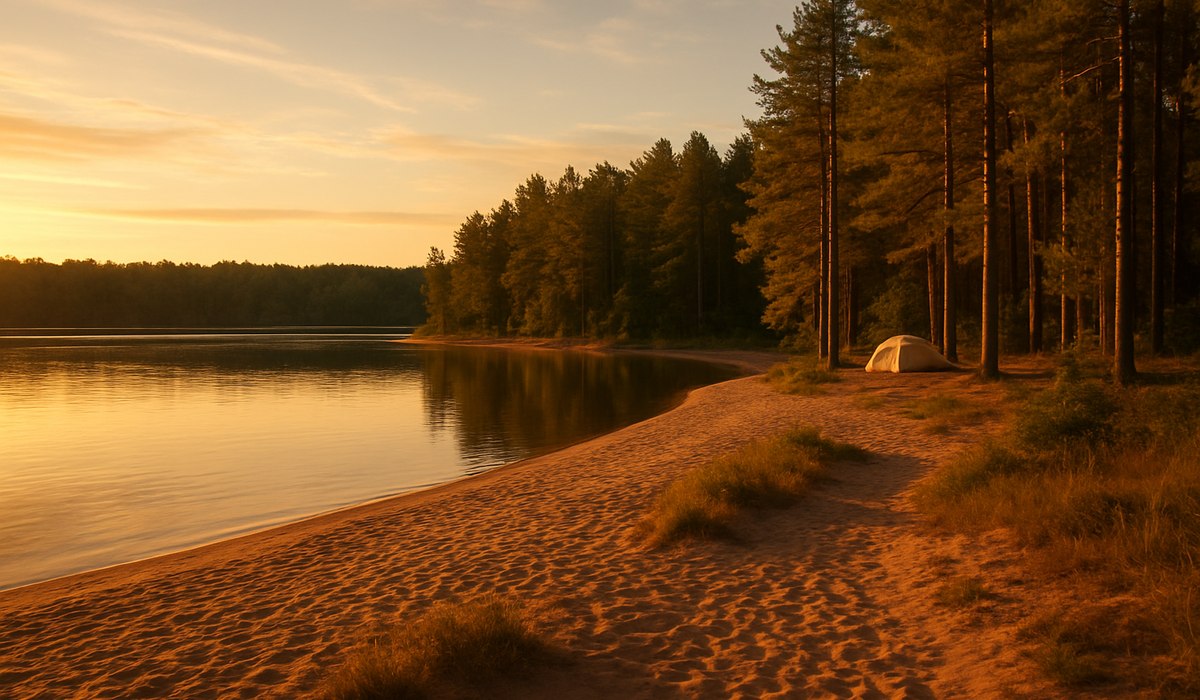
Image generated by AI
Wisconsin State Camping Reveals Serene Lakeside Escape Beyond Tourist Circuits
Wisconsin's quiet state parks are attracting travelers seeking respite from crowded summer destinations across the Midwest. One particular lesser-known park offers an ideal combination of pristine beach access, well-maintained hiking trails, and peaceful camping facilities, all operating at a fraction of the capacity seen at mainstream Wisconsin tourism hotspots. This 2026 travel season has sparked renewed interest in Wisconsin state camping as families and solo adventurers discover that exceptional outdoor experiences exist without battling throngs of visitors during peak months.
The park's appeal lies in its authentic Midwestern character—forested shorelines, natural sand beaches, and genuine solitude remain accessible to anyone willing to venture slightly off the conventional travel radar. With Midwest lake culture at the heart of regional identity, Wisconsin continues to surprise visitors with hidden gems that deliver both recreation and restoration.
Which Wisconsin State Park Offers These Secluded Amenities?
Wisconsin maintains over 50 state parks, yet most travelers concentrate visits at the most famous locations. This particular destination combines beach recreation with substantial hiking infrastructure across varied terrain. The park features multiple access points along its shoreline, creating natural divisions that prevent overcrowding even during moderate visitor periods.
The campground encompasses both developed sites with utilities and primitive camping areas for those seeking deeper immersion in nature. Wisconsin state camping infrastructure here includes modern restroom facilities, water access, and fire rings, while maintaining the authentic outdoor character that draws purists. Day-use beaches offer unguarded swimming areas suitable for families, with shallow sections ideal for younger swimmers. Hiking networks span from easy 2-mile loops to challenging 8-plus mile treks through varied ecosystems. For detailed planning, visit the official Wisconsin Department of Natural Resources tourism information.
What Activities Define Your Wisconsin State Camping Experience?
Beyond basic camping and beach access, this park delivers comprehensive recreational opportunities throughout your stay. Hiking paths traverse mixed forest, passing scenic overlooks of the larger Midwest lake system. Lesser-known trail spurs lead to hidden coves and geological formations rarely featured in standard park brochures.
Swimming constitutes the primary warm-weather draw, with water temperatures reaching comfortable levels from mid-June through August. The beach maintains natural characteristics—sand composition varies by section, and vegetation patterns create interesting micro-environments. Fishing opportunities attract anglers targeting walleye, bass, and northern pike in deeper waters just offshore.
Wildlife observation proves rewarding without requiring specialized equipment. Birdwatchers document warblers, herons, and eagles, particularly during spring and fall migrations. Photography enthusiasts capture compelling images across multiple seasons, with autumn foliage and winter ice formations offering distinct visual narratives.
Check TripAdvisor reviews for current visitor feedback and seasonal activity recommendations from recent travelers to Wisconsin state camping areas.
Best Time to Visit Wisconsin State Camping Areas
Visiting during shoulder seasons—late May through early June and September through October—delivers optimal conditions for Wisconsin state camping. These periods offer comfortable temperatures, lower visitor density, and reduced campground fees compared to peak summer months.
Summer remains popular but crowded, with July and August drawing families during school breaks. Water temperatures peak in August, making swimming most enjoyable. Spring arrivals (late April onward) bring unpredictable weather but showcase wildflower blooms and returning migratory birds.
Winter camping exists for experienced outdoors enthusiasts, with frozen lakes enabling ice fishing and cross-country skiing. However, facilities operate at reduced capacity, and weather demands serious preparation.
Booking reservations extends availability during preferred dates. Most Wisconsin state parks accept online reservations up to 90 days in advance. Popular weekends fill quickly, so strategic planning ensures preferred campsite selection.
How to Get There and Essential Preparation
This Wisconsin state camping destination sits within reasonable driving distance of major Midwest metropolitan areas. Highway access proves straightforward, with well-marked signage from primary routes. Exact directions depend on your starting point, but most visitors access the park via state highways rather than rural county roads.
GPS coordinates and detailed driving directions appear on the official park website and mapping applications. Allow adequate travel time for the final park approach, as cellular coverage diminishes near the entrance. Arriving early in the day ensures better campsite selection and avoids evening congestion at registration.
Pack essential gear including sleeping bags rated for shoulder-season temperatures, tent equipment suitable for Wisconsin's variable weather patterns, and layers for temperature fluctuations. Bring water filtration or purification systems, cooking equipment, and sufficient supplies for your intended stay. Weather changes rapidly in Wisconsin, so waterproof storage bags and rain gear prove invaluable investments.
Wisconsin State Camping Equipment and Supply Checklist
| Essential Item | Purpose | Notes |
|---|---|---|
| 3-season tent | Primary shelter | 4-season only if winter camping |
| Sleeping bag (20°F rated) | Temperature regulation | Shoulder seasons require adequate insulation |
| Sleeping pad | Insulation and comfort | Foam or inflatable options work well |
| Water filtration system | Safe drinking water | Chemical or mechanical filters both effective |
| Camping stove and fuel | Meal preparation | Camp fires permitted at designated rings |
| First aid kit | Emergency response | Include blister treatment and pain relievers |
| Headlamp or lantern | Visibility after dark | Preserve night sky—use red filters when possible |
| Maps and compass/GPS | Navigation on trails | Cell service unreliable throughout park |
What This Means for Wisconsin Travel in 2026
This emerging awareness of Wisconsin state camping destinations offers several practical implications for planning your 2026 adventures:
-
Book reservations early—leverage online reservation systems to secure preferred campsite dates, particularly for June through August visits and all September weekends.
-
Arrive midweek when possible—weekday visits deliver meaningfully lighter crowds while maintaining full facility availability, enhancing the peace and solitude appeal.
-
Plan activities across multiple seasons—recognize that shoulder-season visits offer distinct advantages in comfort, wildlife viewing, and genuine solitude compared to peak summer periods.
-
Prepare for rapid weather changes—pack layered clothing and waterproof gear regardless of forecast predictions, as Midwest weather patterns shift unexpectedly throughout camping seasons.
-
Support park infrastructure through fees and conservation practices—respect designated areas, pack out all waste materials, and follow Leave No Trace principles to ensure these lesser-known parks remain pristine for future visitors.
Frequently Asked Questions About Wisconsin State Camping
What is the best month for Wisconsin state camping and beach activities? September provides ideal conditions—warm water temperatures, comfortable daytime weather, and dramatically reduced crowds compared to July and August. September weekdays offer the quietest experience with nearly full facility availability and the lowest fee structures. Autumn foliage begins emerging by late September, adding visual interest to hiking experiences and photography opportunities.
Are campground facilities available year-round at Wisconsin state parks? Most Wisconsin state parks operate seasonally, with primary camping seasons running from April through October. Limited winter camping facilities exist at select parks for experienced winter campers, but advanced reservation and special preparations become necessary. Check the official park website to confirm your chosen destination's specific seasonal operating schedule before planning winter visits.
Can you recommend hiking trails suitable for families with young children? Virtually all Wisconsin state parks maintain easy trails ranging from 1 to 3 miles, featuring gentle elevation changes and frequent rest areas. The park in question includes multiple family-friendly loops departing from the campground area. Detailed trail descriptions with distance and difficulty ratings appear on official park maps and digital resources available at entrance stations.
What swimming precautions should visitors observe at these Wisconsin beaches? Swimming occurs at designated day-use beaches rather than throughout the shoreline. No lifeguards work these beaches, so supervise children constantly and observe water condition postings. Water depth changes gradually in most areas, but underwater obstacles occasionally appear. Avoid
Disclaimer
This article is for informational and educational purposes only. It does not constitute legal, financial, or professional advice. While we strive to provide accurate and up-to-date information, travel policies, regulations, and conditions change rapidly. Always verify information with official sources before making travel decisions. Nomad Lawyer makes no representations about the accuracy, reliability, completeness, or suitability of the information provided. Readers should consult qualified professionals for advice specific to their circumstances. The views expressed in this article are those of the author and do not necessarily reflect the views of Nomad Lawyer.
Preeti Gunjan
Contributor & Community Manager
A passionate traveller and community builder. Preeti helps grow the Nomad Lawyer community, fostering engagement and bringing the reader experience to life.
Learn more about our team →