
Future-Forward Travel: Why Industrial Tourism is China’s Newest Family Frontier
A radical shift in Chinese domestic travel sees families swapping ancient relics for automated assembly lines, fueling a massive boom in Industrial Tourism.

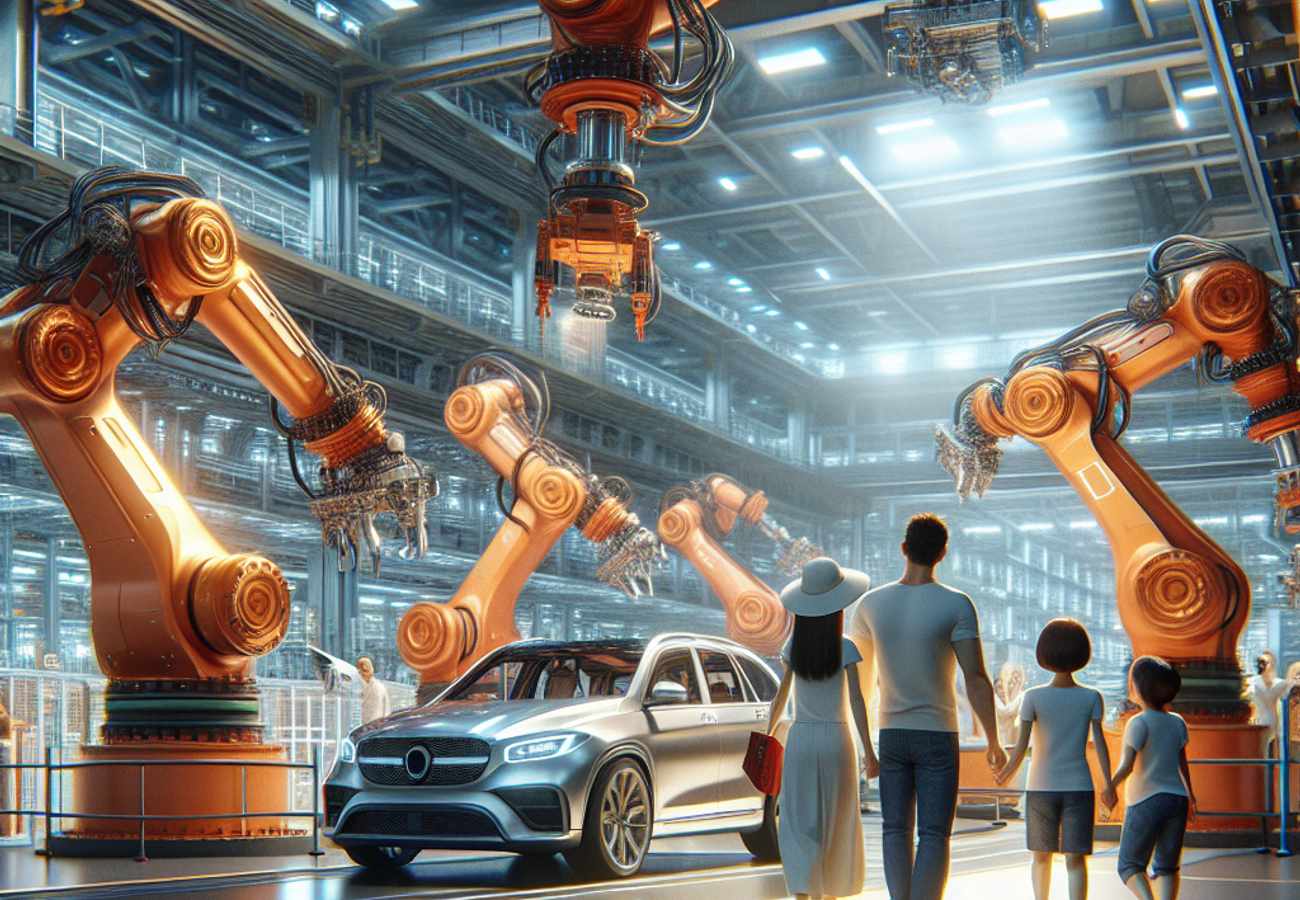
Image generated by AI
A radical change is happening in the field of domestic exploration across Asia. Traditional sightseeing is increasingly being displaced by the intense curiosity of "Industrial Tourism."
A new generation of visitors is being driven away from ancient relics and traditional landscapes, pivoting towards the bright, automated assembly lines of the future across China’s sprawling high-tech cities. This is not just a passing phase; it is a calculated evolution in the way modern families choose to spend their leisure time and educational budgets.
The Rise of the "High-Tech Classroom"
The concept of the "educational vacation" is being redefined. Rather than exploring the pages of history books, families are engaging with the rhythmic precision of robotic arms and the silent hum of innovation.
Major manufacturing hubs in cities like Shenzhen, Guangzhou, and Shanghai are actively turning their factory floors into high-tech classrooms. These tours are specifically designed to bring the principles of Science, Technology, Engineering, and Mathematics (STEM) to life for younger generations. Children and parents alike can witness firsthand the production of electric vehicles, advanced robotics, and consumer electronics.
Strategic National Integration
The rapid expansion of this sector is not accidental. It is being fueled by deliberate, state-led initiatives designed to bridge the gap between heavy industry and public engagement.
Under the guidance of the Ministry of Culture and Tourism, industrial sites are being integrated into the broader national tourism development strategy. Factories are no longer viewed solely as production centers; they are recognized as vital cultural and educational assets. This policy framework incentivizes massive tech corporations to open their doors, build dedicated visitor centers, and hire specialized tour guides who can translate complex manufacturing processes into engaging, family-friendly narratives.
Why Families are Embracing the Trend
The surge in Industrial Tourism is driven by several socio-economic factors:
- Educational Anxiety: In a highly competitive educational environment, parents are constantly seeking experiences that give their children a tangible understanding of future technologies and career paths.
- Transparency and Brand Loyalty: For the corporations opening their doors, industrial tourism serves as powerful marketing. It builds brand transparency and fosters deep consumer loyalty by showcasing ethical manufacturing practices and technological superiority.
- Interactive Experiences: Modern industrial tours go far beyond passive observation. They frequently include interactive workshops, virtual reality (VR) simulations, and hands-on coding classes, providing a highly engaging alternative to traditional museums.
As we move deeper into 2026, Industrial Tourism is proving that the future of family travel in China lies not in looking back at the past, but in witnessing the creation of the future.
Disclaimer
This article is for informational and educational purposes only. It does not constitute legal, financial, or professional advice. While we strive to provide accurate and up-to-date information, travel policies, regulations, and conditions change rapidly. Always verify information with official sources before making travel decisions. Nomad Lawyer makes no representations about the accuracy, reliability, completeness, or suitability of the information provided. Readers should consult qualified professionals for advice specific to their circumstances. The views expressed in this article are those of the author and do not necessarily reflect the views of Nomad Lawyer.
Kunal K Choudhary
Co-Founder & Contributor
A passionate traveller and tech enthusiast. Kunal contributes to the vision and growth of Nomad Lawyer, bringing fresh perspectives and driving the community forward.
Learn more about our team →