
Lufthansa's A380 Emergency Diversion to Boston Triggers Six-Figure Financial Loss
Breaking airline news and aviation industry updates for 2026.

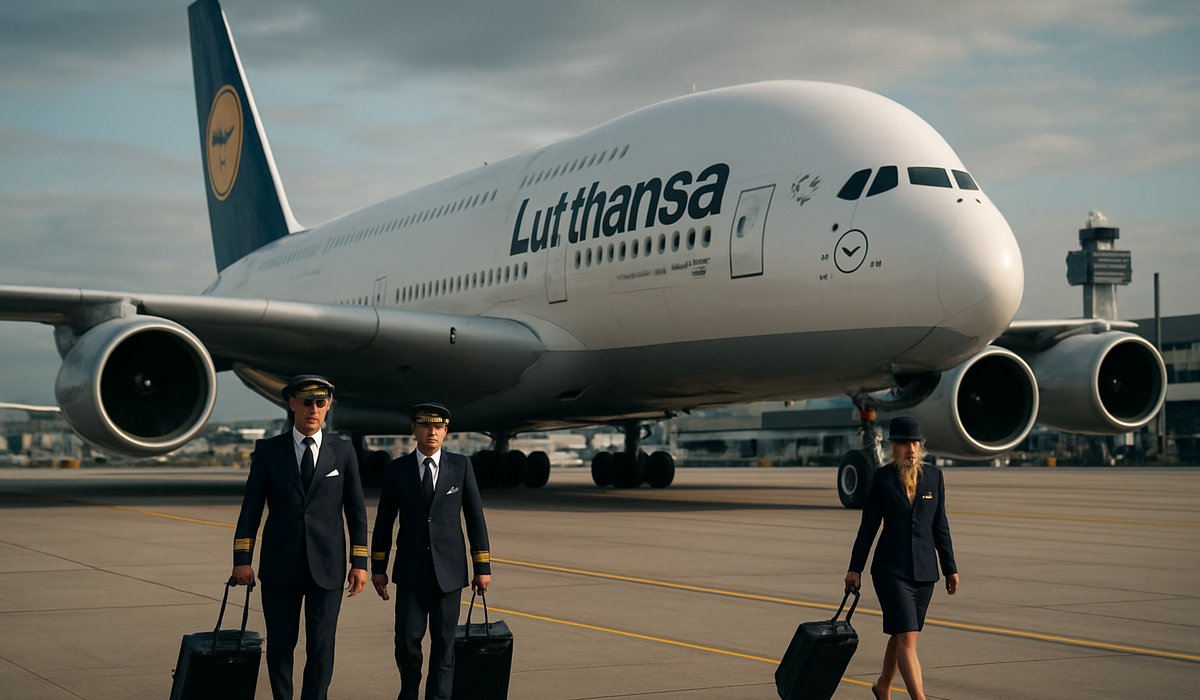
Image generated by AI
Lufthansa's A380 Emergency Diversion to Boston Triggers Six-Figure Financial Loss
Passenger disturbance forces superjumbo carrying 500+ travelers to alter transatlantic route, exposing vulnerability in airline operations and crew safety protocols
Unscheduled Diversion Creates Cascading Costs for German Carrier
Lufthansa has confronted a significant unexpected expense following an in-flight incident that forced one of its flagship Airbus A380 aircraft to abandon its planned route and land in Boston. The massive double-deck airliner, originally bound from San Francisco to Munich, carried more than 500 passengers and crew when the decision was made to divert, creating substantial operational and financial repercussions for the German aviation giant.
The incident—triggered by a passenger disturbance during the transatlantic crossing—exemplifies the mounting operational challenges facing major international carriers as travel volumes surge and cabin tensions escalate in the post-pandemic era. The unexpected rerouting has left Lufthansa facing six-figure financial consequences, including fuel surcharges, aircraft repositioning costs, passenger accommodation expenses, and potential regulatory penalties.
The True Cost of Operational Disruptions
The financial toll extends beyond the obvious expenses of fuel consumed during the deviation and emergency landing procedures. Lufthansa must now absorb costs associated with:
- Additional fuel consumption and crew overtime pay
- Ground handling and airport fees at an unplanned destination
- Passenger rebooking, meals, and hotel accommodations
- Aircraft repositioning to resume scheduled operations
- Potential regulatory investigations and fines
Industry analysts note that diverting a superjumbo—one of aviation's most expensive aircraft to operate—carries significantly steeper consequences than mid-size narrow-body diversions. The A380's operational costs exceed €10,000 per flight hour, making any unscheduled landing a substantial financial burden.
Broader Industry Implications Amid Rising Tensions
The incident underscores persistent challenges facing airlines navigating increased passenger behavior incidents. As travel demand rebounds and jet fuel prices remain volatile, carriers operate with tighter margins, making unexpected operational disruptions increasingly costly. Lufthansa and competitors already contend with elevated aviation fuel expenses, which directly translate to higher airline baggage fees and ticket surcharges passed to consumers.
The diversion also highlights the critical importance of robust cabin crew training and passenger management protocols—areas where investments directly impact both passenger safety and airline profitability.
Lufthansa representatives have not yet issued detailed statements regarding the incident's financial impact or contributing factors, though the carrier faces potential questions from German aviation regulators and may need to enhance crew protocols for managing passenger disturbances at altitude.
FAQ: Airline Diversions and Travel Disruptions
Q: What costs do airlines face when forced to divert aircraft unexpectedly? A: Beyond fuel surcharges and airport fees, airlines incur expenses for passenger accommodation, meal vouchers, crew overtime, aircraft repositioning, and potential regulatory penalties—often totaling six figures for large aircraft like the A380.
Q: How do diversions affect airline baggage fees and ticket prices? A: Major operational disruptions reduce airline profitability and can pressure carriers to raise baggage charges and ticket prices across their networks to offset accumulated losses.
Q: Why are A380 diversions more costly than other aircraft? A: The superjumbo's operational expenses exceed €10,000 hourly, and its size means more passengers require accommodation and rebooking, multiplying total diversion costs significantly.
Q: What is driving increased passenger disturbances on flights? A: Industry experts attribute rising incidents to crowded aircraft, delayed flights, jet fuel-driven fare increases causing passenger frustration, and cabin stress during long international routes.
Q: How do jet fuel prices impact airline operations and passenger costs? A: Elevated fuel prices compress airline margins, forcing carriers to impose higher baggage fees, seat selection charges, and ticket surcharges—passed directly to travelers in the aviation industry.
Related Travel Guides
External Resources
Disclaimer
This article is for informational and educational purposes only. It does not constitute legal, financial, or professional advice. While we strive to provide accurate and up-to-date information, travel policies, regulations, and conditions change rapidly. Always verify information with official sources before making travel decisions. Nomad Lawyer makes no representations about the accuracy, reliability, completeness, or suitability of the information provided. Readers should consult qualified professionals for advice specific to their circumstances. The views expressed in this article are those of the author and do not necessarily reflect the views of Nomad Lawyer.
Raushan Kumar
Founder & Lead Developer
Full-stack developer with 11+ years of experience and a passionate traveller. Raushan built Nomad Lawyer from the ground up with a vision to create the best travel and law experience on the web.
Learn more about our team →