
Systemic Operational Failure at Orlando International Airport Triggers Mass Flight Delays
Operational breakdown at Orlando International Airport leads to 150 flight delays, affecting American Airlines, Southwes

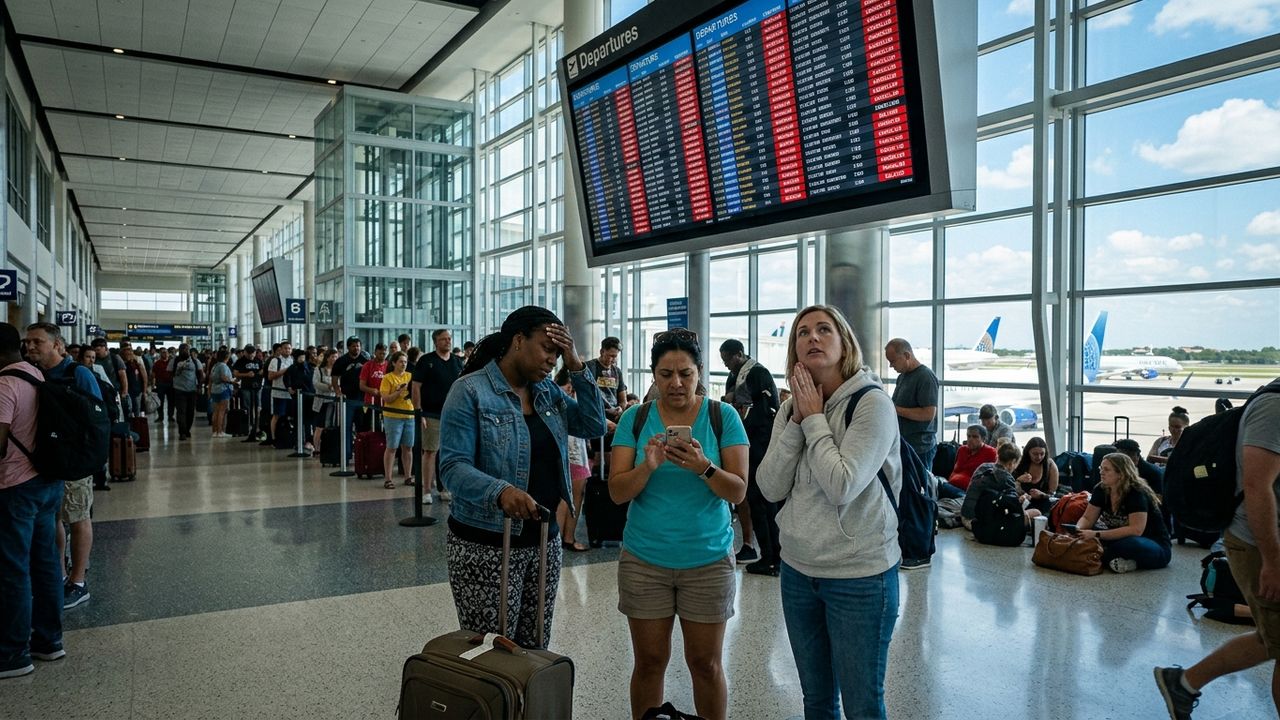
Image generated by AI
Flight disruptions at Orlando International Airport have scaled significantly, resulting in 150 delays and 2 cancellations within a single operational window. The breakdown has crippled domestic corridors and transatlantic connections, leaving thousands of passengers stranded.
The Core Development
Operational monitoring systems indicate a widespread slowdown at Orlando International Airport. Unlike isolated carrier technical failures, the data suggests a systemic collapse in air traffic flow. The disruptions have impacted a broad spectrum of operators, from ultra-low-cost carriers to premier international airlines.
The congestion has created a "knock-on" effect, where delays in Orlando are now propagating through major US hubs, specifically affecting flight sequences into Atlanta, New York, Dallas, and Chicago.
Key Facts Breakdown
- Total Impact: 150 flights delayed; 2 flights canceled.
- Primary Hubs Affected: Miami, Atlanta, New York.
- Carrier Exposure: Highest impact reported for American Airlines and JetBlue due to high route density.
- International Reach: Disruptions extended to British Airways, Virgin Atlantic, and Avianca.
- Passenger Impact: Significant delays in transit to Walt Disney World, Universal Orlando Resort, and regional cruise ports.
Affected Operators
| Carrier Category | Impacted Airlines |
|---|---|
| Major US Carriers | American Airlines, Southwest, JetBlue, Delta, United |
| Low-Cost Carriers | Frontier |
| International / Long-Haul | British Airways, Virgin Atlantic, Avianca, LATAM Brasil, Air Canada Rouge |
| Regional | Bahamasair |
Why This Matters (Analysis)
Industry observers note that this event is not a failure of individual airline logistics, but a symptom of "capacity ceiling" pressure. When a primary tourism gateway like Orlando experiences a systemic slowdown, the economic ripple effect is immediate.
Our analysis suggests that the high frequency of low-cost carrier (LCC) scheduling creates a fragile ecosystem; because LCCs operate with tighter aircraft turnarounds, a minor sequencing delay in Orlando triggers a cascade of failures across their entire domestic network. Furthermore, the disruption to "fixed itinerary" international travelers—those with pre-booked cruise or theme park arrivals—amplifies the perceived severity of the breakdown, potentially damaging long-term traveler confidence in Florida's infrastructure during peak windows.
Industry Outlook
Expect the FAA to implement stricter flow restrictions and sequencing protocols to clear the backlog. Short-term pressure on rebooking systems will remain high as airlines attempt to recover crew rotations and aircraft positioning. Market trends suggest that unless airport capacity is expanded or scheduling buffers are increased, these "cluster disruptions" will become more frequent during peak seasonal surges.
Related Travel Guides
Disclaimer
This article is for informational and educational purposes only. It does not constitute legal, financial, or professional advice. While we strive to provide accurate and up-to-date information, travel policies, regulations, and conditions change rapidly. Always verify information with official sources before making travel decisions. Nomad Lawyer makes no representations about the accuracy, reliability, completeness, or suitability of the information provided. Readers should consult qualified professionals for advice specific to their circumstances. The views expressed in this article are those of the author and do not necessarily reflect the views of Nomad Lawyer.
Preeti Gunjan
Contributor & Community Manager
A passionate traveller and community builder. Preeti helps grow the Nomad Lawyer community, fostering engagement and bringing the reader experience to life.
Learn more about our team →