
Venice Simplon-Orient-Express: Redefining Luxury Rail Travel Across Europe
Discover the Venice Simplon-Orient-Express by Belmond. Explore Art Deco carriages, route details, and the growing trend of luxury slow rail travel in 2026.
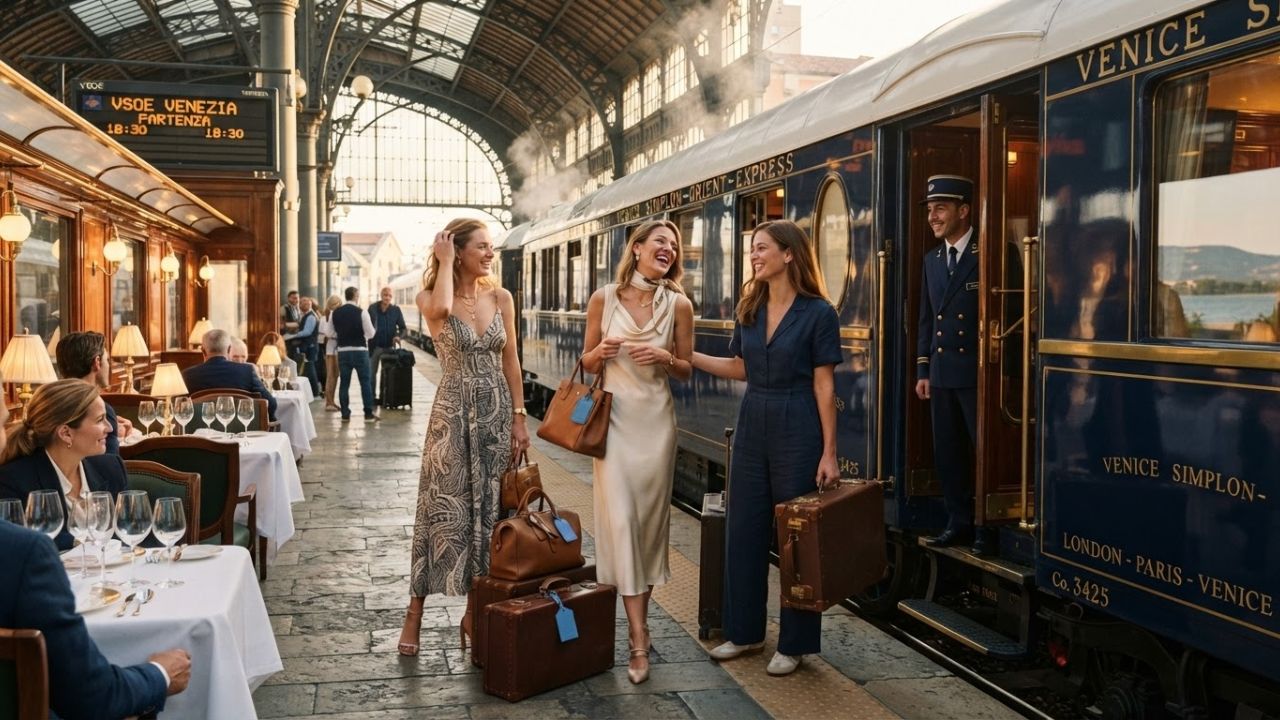
Image generated by AI
The Venice Simplon-Orient-Express, operated by Belmond, is leading the revival of classic European rail travel, offering travelers a slow, immersive alternative to modern aviation. Featuring restored 1920s Art Deco carriages, gourmet dining, and route itineraries connecting Paris and Venice, the legendary train has transformed long-distance transport into an all-inclusive luxury destination.
The Renaissance of Luxury Train Travel in Europe
The international travel sector is experiencing a transition as travelers increasingly choose experiential slow travel over conventional transport options. While high-speed flights remain the standard for business efficiency, leisure travelers are seeking journeys that prioritize relaxation, historical discovery, and connection with regional cultures. In Europe, this shift in traveler behavior has generated significant interest in heritage rail travel.
This slow travel trend is also drawing support from regional conservation boards who want to decrease the environmental footprint of tourism in Europe. By choosing rail travel over short-haul flights, travelers can reduce their carbon emissions while experiencing the scenic beauty of the countryside. This shift in demand has led Belmond to expand its seasonal routes, connecting more cultural capitals and creating a network of slow tourism packages.
The Venice Simplon-Orient-Express represents the pinnacle of this slow-travel movement. Connecting historic European cultural centers, the train turns a transit corridor into an active component of the travel experience. Passengers can observe the changing topography of the French countryside, the Swiss Alps, and the Italian valleys while enjoying refined service. This focus on journey quality over arrival speed meets the growing demand for sustainable travel alternatives that allow guests to connect with the regions they cross.
The Art Deco Carriage Designs and Accommodation Categories
The Venice Simplon-Orient-Express preserves the history of early twentieth-century rail travel through its restored vintage carriages. The interiors feature detailed wood paneling, brass fittings, and Art Deco furnishings that reflect the style of the 1920s and 1930s.
Each carriage has a dedicated cabin steward who provides personalized attention, including serving breakfast in bed, arranging the cabin's sleeping layouts, and shining shoes overnight. This high level of personal service is a key reason why passengers choose the Orient-Express for milestone celebrations, honeymoons, and anniversaries. The staff are trained to anticipate passenger needs, restoring the classic standards of hospitality associated with the golden age of rail travel.
Travelers can choose between three primary cabin categories, each designed to balance vintage character with passenger comfort:
- Historic Twin Cabin: A classic Art Deco compartment featuring a washbasin cabinet and plush banquette seating during the day, which stewards convert into upper and lower sleeping berths at night.
- Suite: A larger cabin that provides private en-suite shower facilities, a designated lounge area, and double or twin bed configurations for enhanced comfort.
- Grand Suite: The highest luxury level, offering spacious accommodations with private en-suite bathrooms, free-flowing champagne, in-cabin dining, and distinct interior themes inspired by destination cities such as Paris, Venice, and Istanbul.
Because demand remains high, particularly for the Grand Suites and peak summer routes, travelers should book their journeys several months in advance.
Gastronomy and Onboard Amenities: Dining on the Move
Onboard dining is a central element of the Venice Simplon-Orient-Express experience, with meals prepared by expert culinary teams in three beautifully restored restaurant cars: Côte d'Azur, Étoile du Nord, and L'Oriental. Each car features unique marquetry, velvet upholstery, and historic glass panels that enhance the dining atmosphere.
The kitchen team works in compact galley spaces, preparing gourmet dishes using traditional French techniques and fresh produce collected at stops along the way. This logistics system requires precise coordination with local farmers, butchers, and seafood suppliers in France and Italy. By supporting these small-scale agricultural networks, the train directly contributes to the local economies of the rural regions it passes through.
The menus highlight regional European ingredients, sourced fresh along the train's route. Stewards serve multi-course lunches and dinners paired with fine wines, while breakfasts and afternoon teas are delivered directly to passenger cabins. The social center of the train is the Bar Car "3674," which features a baby grand piano and a dedicated cocktail menu. In this space, guests gather to socialize, listen to live music, and experience the train's classic hospitality.
Popular Routes: Connecting Europe's Cultural Capitals
The train operates on multiple routes across Europe, allowing passengers to combine a historic rail journey with hotel stays in key destinations.
The most popular routes include:
- Paris to Venice: A classic crossing that takes passengers through the French countryside and the Swiss Alps before arriving in the Venetian lagoon.
- Venice to Paris: The reverse route, offering a scenic return journey through the Austrian Alps and eastern France.
- Seasonal Departures: Journeys connecting Paris and Venice with other European capitals, including Prague, Budapest, and Vienna, along with the annual crossing to Istanbul.
These journeys are also designed to coordinate with local luxury hotels, allowing travelers to arrange private transfers, guided city tours, and museum entries as part of a single booking. By creating these comprehensive travel packages, Belmond helps travelers navigate the logistics of multi-country trips, making it easier to plan a slow and meaningful holiday across Europe's historic capital cities.
Visitor Guide: Onboard Etiquette, Luggage Rules, and Border Crossings
Traveling on the Venice Simplon-Orient-Express requires understanding onboard dress codes, baggage limits, and international entry requirements. By planning ahead, travelers can ensure a comfortable journey.
Observe the formal dress code in all public areas of the train, including the dining cars and Bar Car "3674." During the day, smart-casual attire is required; jeans, shorts, t-shirts, and sneakers are prohibited. For dinner, the standard is formal evening wear. Gentlemen must wear a suit and tie as a minimum, though many opt for black tie or tuxedos, while ladies wear formal cocktail dresses or evening gowns. Train staff may deny dining entry to guests who do not meet these standards.
Plan your packing based on historic cabin dimensions. Storage space inside the cabins is compact, so travelers are advised to pack light. Each passenger is allowed one piece of hand luggage and one cabin bag (such as an overnight bag or suit carrier) to keep in their compartment. One larger suitcase (up to 23 kilograms) can be checked into the baggage car. Because the baggage car is inaccessible during the journey, pack all essential medications, travel documents, and evening wear in your cabin bags.
Coordinate border documentation before departure. The train crosses multiple European borders, so verify passport validity and entry visa requirements for each country on your itinerary. Keep your passport accessible, as cabin stewards collect travel documents at the start of the journey to facilitate border checks without disrupting your sleep.
Future Outlook: Rebuilding Sustainable Heritage Rail Travel
The future of luxury rail travel in Europe depends on balancing heritage preservation with modern environmental standards. Belmond and regional railway authorities are implementing sustainability measures to preserve these vintage carriages.
Sustainable practices include sourcing ingredients from small-scale agricultural producers along the route, reducing single-use plastics in cabin services, and utilizing energy-efficient heating systems in the historic cars. By combining vintage preservation with green operations, the train operator ensures that the Venice Simplon-Orient-Express remains a symbol of responsible travel, preserving the art of slow rail journeys for future generations of global travelers.
Related Travel Guides
Disclaimer
This article is for informational and educational purposes only. It does not constitute legal, financial, or professional advice. While we strive to provide accurate and up-to-date information, travel policies, regulations, and conditions change rapidly. Always verify information with official sources before making travel decisions. Nomad Lawyer makes no representations about the accuracy, reliability, completeness, or suitability of the information provided. Readers should consult qualified professionals for advice specific to their circumstances. The views expressed in this article are those of the author and do not necessarily reflect the views of Nomad Lawyer.