
North Carolina Sprawling Bog Emerges As Premier 2026 Birding Destination
North Carolina's sprawling bog ecosystem opens new trails for birdwatchers in 2026. This remote wilderness destination attracts nature travelers seeking authentic, peaceful escape from developed tourism infrastructure.

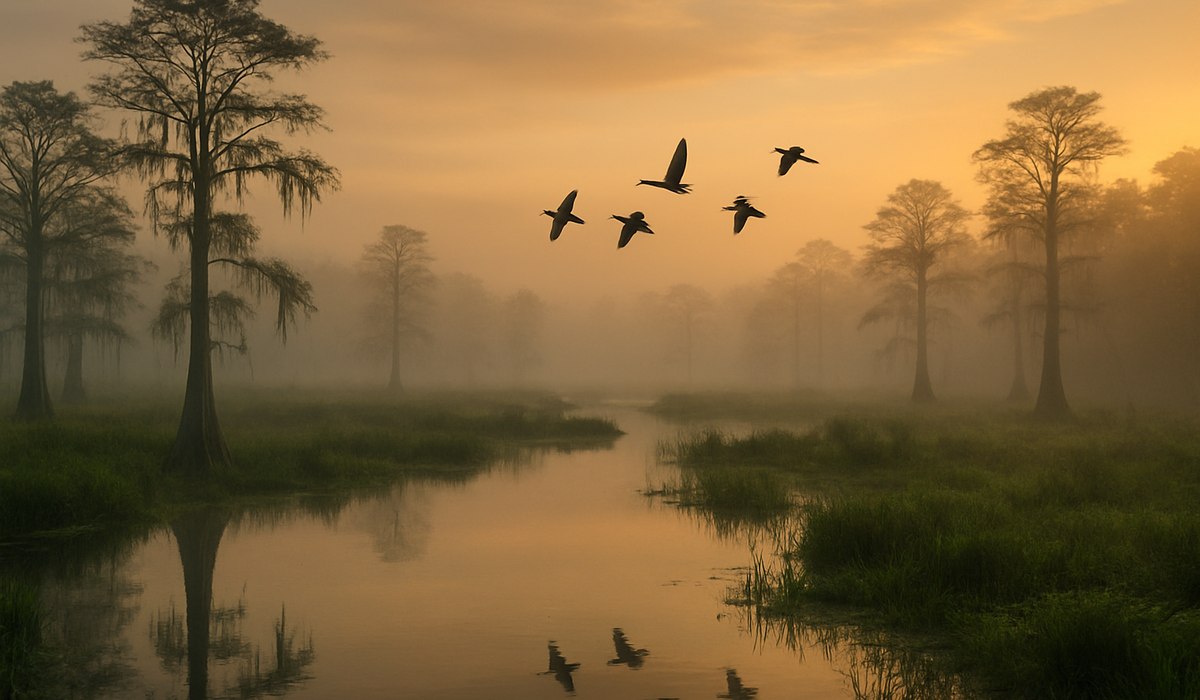
Image generated by AI
North Carolina's Sprawling Bog Becomes Essential Birding Destination for Wilderness Travelers
North Carolina's sprawling bog landscape is drawing serious birdwatchers and nature-focused travelers seeking authentic wilderness experiences far from conventional tourist infrastructure. This expansive wetland ecosystem, spanning thousands of acres across the state's interior, offers remote access to rare migratory species and pristine natural habitats that remain largely undiscovered by mainstream tourism circuits. The destination has quietly positioned itself as a premier location for ornithological research and peaceful nature immersion throughout 2026, attracting visitors who value ecological authenticity over developed amenities.
The sprawling bog environment creates distinctive microclimates supporting bird populations rarely encountered in accessible travel destinations. Native cypress trees, sphagnum moss blankets, and interconnected water channels establish ideal conditions for specialized avian species adapted to wetland conditions. Travelers report encountering prothonotary warblers, wood ducks, pileated woodpeckers, and seasonal migratory species throughout spring and autumn migration periods.
Why This Bog Is A Hidden Gem For Birders
The North Carolina sprawling wetland preserves represent one of the eastern United States' most intact bog ecosystems. Unlike heavily trafficked bird sanctuaries, these protected areas maintain minimal human impact infrastructure, allowing natural behaviors to persist uninterrupted. Boardwalk systems preserve ecosystem integrity while providing safe visitor access without degrading sensitive vegetation layers.
Ornithologists and casual birdwatchers appreciate the solitude factor. Remote locations mean fewer crowds competing for observation spots, clearer acoustic environments for identifying bird calls, and reduced disturbance to feeding and nesting behaviors. The peaceful atmosphere attracts international visitors specifically seeking contrast to overcrowded destinations.
Local conservation organizations have invested in interpretive signage identifying species and ecological relationships without requiring expensive guided tour services. Photography enthusiasts particularly value the combination of rare species presence and minimal visitor congestion. Visit North Carolina's official tourism board for comprehensive information on protected wetland areas and current access conditions.
Best Time to Visit and What to Spot
Spring migration (mid-April through May) and autumn migration (late August through September) represent peak birding seasons for North Carolina sprawling bog ecosystems. Water levels typically rise during spring snowmelt and seasonal rainfall, creating optimal feeding conditions for wading birds and waterfowl.
Early morning visits maximize bird activity observation. Most species exhibit peak foraging behavior between dawn and mid-morning, before daily temperatures encourage inactivity. Summer months support nesting pairs with reduced visibility due to dense vegetation growth. Winter presents excellent opportunities for spotting permanent resident species and occasional northern migrants pushed south by harsh weather.
Specific species encounters vary by season. Spring attracts neotropical migrants including scarlet tanagers, Louisiana waterthrushes, and various warbler species. Summer residents include great blue herons, anhingas, and roseate spoonbills in southern North Carolina bogs. Autumn brings shorebirds and raptors during migration corridors. Winter visitors include bald eagles and occasional snowy owls. Consult TripAdvisor's North Carolina travel guides for seasonal visitor reports and recent sightings.
Essential Preparation and What To Bring
Successful bog birding requires specific equipment and preparation strategies. Waterproof footwear is non-negotiable—standard hiking boots prove inadequate in consistently wet conditions. Many experienced visitors prefer dedicated wetland boots or rubber waders for extended exploration.
Binoculars with quality optics (8x42 or 10x42 configurations) dramatically improve species identification accuracy. Bird identification field guides specific to southeastern United States species prove essential for solo travelers without professional guide services. Digital recording devices capture bird vocalizations for later identification verification.
Insect protection exceeds typical expectations in bog environments. Mosquitoes, deerflies, and biting gnats proliferate near standing water during warm months. Protective clothing in light neutral colors, combined with DEET-containing insect repellent, substantially improves comfort. Sun protection including broad-spectrum sunscreen, wide-brimmed hats, and UV-blocking clothing combats intense reflection from water surfaces.
Pack adequate hydration supplies—pristine water sources require purification before consumption. Portable water filtration systems prevent reliance on bottled water weight. Energy-dense snacks sustain extended birding sessions without frequent breaks.
Getting There and Local Accommodations
North Carolina sprawling bog locations distribute across several protected areas accessible via distinct entry points. Most major bogs exist within 1-3 hours' driving distance from regional population centers including Wilmington, Raleigh, and Charlotte.
Ground transportation remains essential—public transit does not service remote bog access points. Standard vehicle routes reach parking areas, with 0.5-3 mile walking distances to primary birding zones depending on specific location. Four-wheel drive vehicles provide advantages during wet season months but remain optional for established boardwalk areas.
Nearby towns provide variable accommodation options. Rural communities surrounding major bogs offer modest bed-and-breakfast establishments, small hotels, and vacation rental properties. Larger regional centers feature comprehensive hotel infrastructure with restaurant services and supply shopping opportunities. Campground facilities near several bog areas provide budget-conscious alternatives with natural immersion benefits.
Remote location positioning means travelers should arrange accommodations 1-2 weeks in advance, particularly during peak migration seasons. Small-town lodging fills quickly when multiple birding tours or naturalist group visits coincide.
Key Data Table: North Carolina Bog Ecosystem Facts
| Characteristic | Details |
|---|---|
| Ecosystem Type | Pocosins, pocosins, and bay swamps |
| Primary Location | Eastern North Carolina coastal plains |
| Dominant Vegetation | Pond cypress, Atlantic white cedar, evergreen shrubs |
| Protected Area Coverage | 40,000+ acres across multiple reserves |
| Peak Birding Season | April-May and August-September |
| Average Annual Visitors | 15,000-25,000 (estimated across all sites) |
| Accessible Boardwalk Miles | 8-12 miles depending on facility |
| Rare Species Count | 40+ species with restricted southeastern ranges |
| Best Photo Opportunity Times | 6:00-9:00 AM and 4:00-6:30 PM |
| Annual Rainfall | 48-52 inches, supporting permanent water features |
What This Means for Travelers
The emergence of North Carolina's sprawling bog ecosystems as accessible birding destinations offers meaningful advantages for specific traveler demographics:
-
Eco-conscious travelers gain opportunities to explore pristine ecosystems while supporting conservation funding through visitor fees and local community economic benefits.
-
Photography enthusiasts access rare species in natural settings without commercial photography tour pricing structures, enabling independent creative expression and equipment experimentation.
-
Ornithological researchers leverage undisturbed observation environments for behavioral studies and population monitoring without laboratory constraints or captive-bird limitations.
-
Wellness-focused visitors benefit from extended nature immersion combining physical activity, clean air exposure, and stress-reduction benefits documented in outdoor recreation research.
-
Budget-conscious adventurers enjoy world-class birding experiences without expensive international travel costs or exclusive resort accommodations typical of premium ecotourism destinations.
-
Solo travelers particularly value the peaceful, safe environments where personal observation and journaling replace group dynamics and guide dependency.
The North Carolina sprawling bog destination model demonstrates how conservation-focused tourism can generate economic sustainability for rural communities while preserving ecological integrity for future generations.
Frequently Asked Questions
What skill level does bog birding require?
No prior experience is necessary. Beginners benefit from carrying identification guides and taking time observing species behavior before attempting identification. Most accessible boardwalk areas feature interpretive signage explaining common species and ecological relationships. Binoculars
Disclaimer
This article is for informational and educational purposes only. It does not constitute legal, financial, or professional advice. While we strive to provide accurate and up-to-date information, travel policies, regulations, and conditions change rapidly. Always verify information with official sources before making travel decisions. Nomad Lawyer makes no representations about the accuracy, reliability, completeness, or suitability of the information provided. Readers should consult qualified professionals for advice specific to their circumstances. The views expressed in this article are those of the author and do not necessarily reflect the views of Nomad Lawyer.
Preeti Gunjan
Contributor & Community Manager
A passionate traveller and community builder. Preeti helps grow the Nomad Lawyer community, fostering engagement and bringing the reader experience to life.
Learn more about our team →