
Texas Gateway Choke Canyon: Shopping & State Park Hub Between San Antonio & Corpus Christi
Discover Texas' hidden gateway town between San Antonio and Corpus Christi in 2026. This charming destination offers boutique shopping, local dining, and prime access to Choke Canyon State Park adventures.

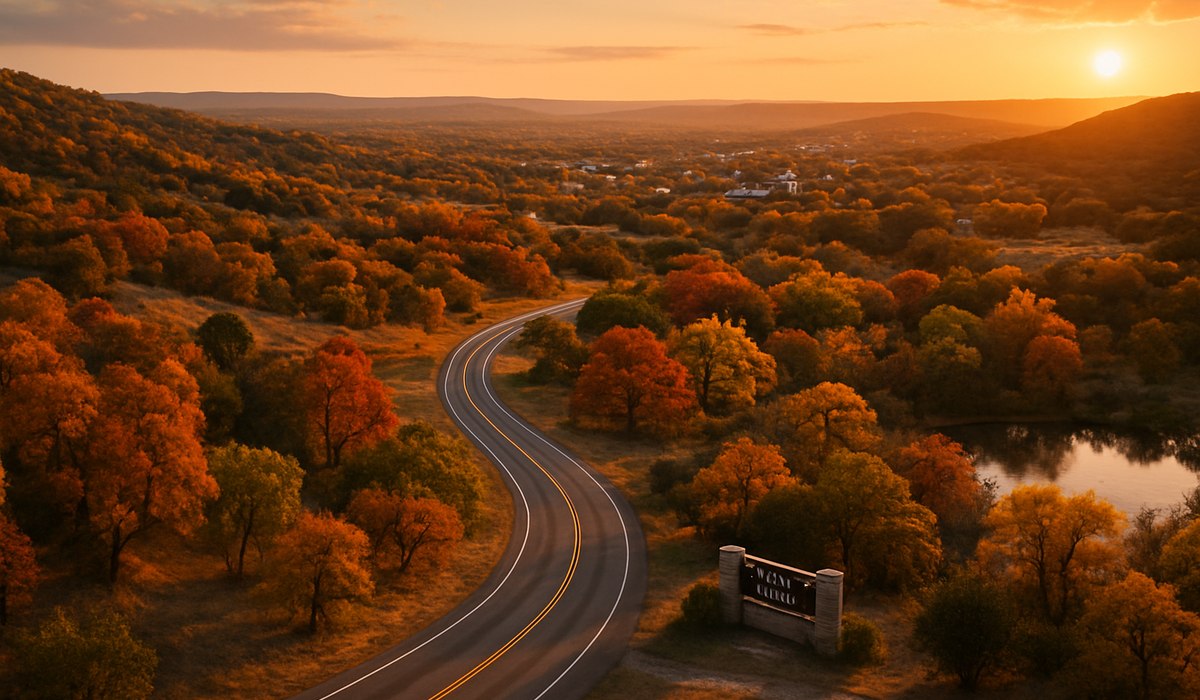
Image generated by AI
Strategic Positioning Between Two Texas Metros
Texas' overlooked gateway town to Choke Canyon is emerging as a must-stop destination for travelers navigating between San Antonio and Corpus Christi in 2026. This charming community, positioned directly at the entrance to Choke Canyon State Park, combines small-town hospitality with surprising retail and culinary offerings. Visitors have reported increased foot traffic this season, drawn by the town's unique positioning as both a shopping destination and outdoor recreation hub. The convergence of these factors has quietly transformed what was once a simple waypoint into a legitimate travel destination worthy of a full day's exploration.
Gateway Location & Getting There
Located strategically along the route connecting San Antonio and Corpus Christi, this Texas gateway town serves approximately 70 miles south of San Antonio and 65 miles northwest of Corpus Christi. The positioning makes it an ideal pause point for road trippers, particularly those heading toward Choke Canyon State Park for water activities and camping. Major highway access ensures straightforward navigation without requiring backroads or complicated detours. The town's infrastructure supports both quick pit stops and extended stays, with ample parking and well-marked attractions. Most travelers complete the drive from San Antonio in under 90 minutes, making it feasible for day trips or weekend getaways.
Check the official South Texas tourism board for current road conditions and seasonal access information before departing.
Local Shops & Dining Scene
The downtown shopping district reflects authentic Texan character with independent boutiques, antique dealers, and specialty stores catering to both casual browsers and serious collectors. Local merchants have curated inventories featuring regional crafts, Western memorabilia, and contemporary goods unavailable in chain stores. Dining establishments showcase genuine Texas barbecue, Tex-Mex cuisine, and farm-to-table concepts emphasizing regional ingredients. The restaurant scene ranges from casual counter-service joints to seated establishments accommodating larger groups. Multiple cafes provide excellent coffee and pastries for early-morning travelers, while evening venues offer craft cocktails and live music throughout the week.
Browse current shopping and dining reviews on TripAdvisor to identify highly-rated establishments matching your preferences and dietary requirements.
Choke Canyon State Park Activities
Choke Canyon State Park encompasses over 26,000 acres of protected landscape featuring two distinct visitor areas: North Shore and South Shore. The reservoir supports fishing for largemouth bass, catfish, and crappie, attracting anglers year-round. Boating opportunities include rentals at both locations, with multiple launch points accommodating recreational and performance watercraft. Hiking trails wind through native brush country, providing wildlife viewing opportunities including white-tailed deer, wild turkeys, and numerous bird species. Camping facilities range from full-hookup RV sites to primitive tent areas, accommodating various preference levels and budget considerations.
Water activities dominate the park experience, but terrestrial adventures deserve equal attention. The park's natural habitats support diverse ecosystems, making it exceptional for ornithology and nature photography. Seasonal variations create different experiences—spring brings wildflower displays, while fall offers comfortable temperatures for extended outdoor exploration.
Outdoor Recreation & Camping Options
Beyond Choke Canyon's official boundaries, the surrounding region supports diverse recreational pursuits including hunting, wildlife observation, and photography expeditions. Private outfitters near the Texas gateway to Choke Canyon offer guided experiences for visitors preferring professional instruction or specialized equipment. Picnic facilities with shade structures accommodate families and groups seeking day-use options without overnight camping. Multi-day camping experiences enable deeper immersion into South Texas ecology and culture. Seasonal tours highlight migratory bird patterns, offering remarkable photography opportunities during peak seasons.
Accessibility improvements completed in 2025 now make trails more comfortable for visitors with mobility considerations. The region's expansion of visitor amenities reflects growing recognition of outdoor recreation's economic importance.
Best Time to Visit
Spring months (February through April) offer ideal conditions with moderate temperatures ranging from 65-80°F and minimal rainfall. Wildflower blooms create spectacular landscape photography opportunities during this window. Summer (May through August) brings heat exceeding 95°F, challenging for outdoor activities but advantageous for water-based recreation like boating and swimming. Fall (September through November) provides comfortable temperatures and decreased humidity, making it optimal for hiking and camping. Winter (December through January) remains mild compared to northern regions, though occasional cold snaps can impact activities. Weekend crowds peak during spring break and summer vacation periods, suggesting weekday visits for solitude-seeking travelers.
The Texas gateway to Choke Canyon experiences highest occupancy during holiday weekends and school vacation windows. Booking accommodations 4-6 weeks advance ensures availability during premium seasons.
Key Facts & Data
| Factor | Details |
|---|---|
| Distance from San Antonio | Approximately 70 miles south |
| Distance from Corpus Christi | Approximately 65 miles northwest |
| Choke Canyon State Park Size | Over 26,000 protected acres |
| Park Visitor Areas | North Shore and South Shore locations |
| Reservoir Fish Species | Largemouth bass, catfish, crappie |
| Peak Visitor Season | Spring (February-April) |
| Average Spring Temperatures | 65-80°F |
| Summer Temperature Range | Above 95°F regularly |
| RV Camping Sites | Full-hookup and basic options available |
| Wildlife Species | White-tailed deer, wild turkeys, diverse birds |
What This Means for Travelers
This Texas gateway town presents multiple strategic advantages for your 2026 travel planning:
-
Optimize your road trip routing by positioning the town as a deliberate stop rather than rushed pit stop. Allocate 6-8 hours for meaningful engagement with shopping, dining, and short park exploration.
-
Book outdoor activities in advance during spring and fall peak seasons. Popular camping sites, especially full-hookup RV spots, fill 4-6 weeks early, requiring early reservation strategies.
-
Combine shopping and recreation by timing retail browsing during midday heat peaks, when water-based park activities become more appealing to other visitors, reducing crowds on trails and beaches.
-
Experience authentic local flavor by dining at independently-owned establishments rather than chain restaurants. Local owners provide insider knowledge about seasonal park conditions, wildlife patterns, and hidden recreation spots.
-
Plan multi-day visits if your schedule permits. Rushing limits appreciation for both downtown exploration and Choke Canyon's diverse ecosystems. Weekend visits from San Antonio or Corpus Christi become weeklong adventures with minimal additional driving.
Frequently Asked Questions
What fishing species inhabit Choke Canyon State Park?
Choke Canyon supports excellent populations of largemouth bass, catfish, and crappie. The reservoir consistently ranks among Texas' top fishing destinations. Fishing licenses are required; day passes and annual permits are available through Texas Parks and Wildlife.
How far is the town from major cities?
The Texas gateway town sits approximately 70 miles from San Antonio and 65 miles from Corpus Christi. Drive times range from 90 minutes to two hours depending on traffic and exact starting points within each metro area.
Are camping facilities available year-round?
Yes, both North Shore and South Shore visitor areas operate year-round with varying amenities. Full-hookup RV sites and primitive tent areas accommodate different preferences. Seasonal weather variations affect comfort levels but not availability.
What's the best season for wildlife viewing?
Spring (February-April) offers optimal conditions with moderate temperatures and active wildlife. Fall (September-November) provides excellent conditions with less summer heat stress on animals, making them more visible along trails and water areas.
Disclaimer
This article is for informational and educational purposes only. It does not constitute legal, financial, or professional advice. While we strive to provide accurate and up-to-date information, travel policies, regulations, and conditions change rapidly. Always verify information with official sources before making travel decisions. Nomad Lawyer makes no representations about the accuracy, reliability, completeness, or suitability of the information provided. Readers should consult qualified professionals for advice specific to their circumstances. The views expressed in this article are those of the author and do not necessarily reflect the views of Nomad Lawyer.
Raushan Kumar
Founder & Lead Developer
Full-stack developer with 11+ years of experience and a passionate traveller. Raushan built Nomad Lawyer from the ground up with a vision to create the best travel and law experience on the web.
Learn more about our team →