
Minnesota Camping Water: Midwest Lake Town Emerges as Remote Work Haven
A serene Minnesota lakeside community has gained recognition in 2026 as an ideal destination for remote workers and digital nomads seeking peaceful camping, water recreation, and outdoor adventures near vibrant regional hotspots.

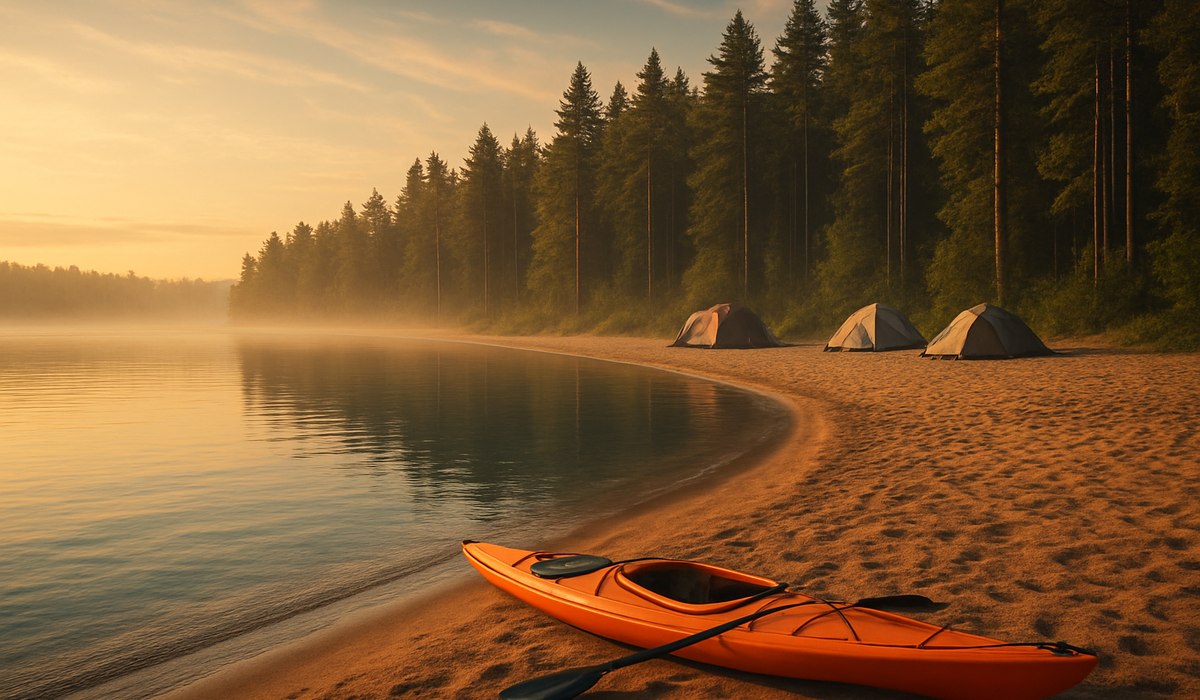
Image generated by AI
Minnesota's Hidden Lake Town Attracts Digital Nomads Seeking Water Adventures
Minnesota's understated lakeside gem is capturing attention from remote workers and outdoor enthusiasts in 2026 as an unexpected hub for meaningful work-life balance. This peaceful Midwest destination combines world-class camping accommodations with accessible water sports and scenic river trails, positioning itself as an alternative to crowded coastal digital nomad hotspots. The town's proximity to regional attractions makes it ideal for professionals seeking stable internet infrastructure paired with genuine outdoor recreation opportunities.
Why This Midwest Lake Town Is Perfect for Digital Nomads
Remote workers increasingly discover that successful location independence requires more than reliable WiFi. This Minnesota lakeside community delivers a compelling combination: affordable seasonal rentals, growing coworking infrastructure, and direct water access for evening recreation.
The peaceful atmosphere supports focus and productivity during work hours. Unlike bustling metro areas, ambient noise remains minimal, and natural light cycles promote healthy circadian rhythms for distributed teams. Local accommodations range from quiet cabin rentals to waterfront lodges with business-friendly amenities. The Midwest reputation for reliability extends to utility infrastructure and internet service providers consistently delivering high uptime.
Beyond workspace considerations, the destination removes barriers to outdoor integration. Kayakers launch directly from town docks. Hikers access preserved river trails within minutes. Swimmers enjoy natural water temperatures during summer months. This accessibility means less planning friction and more spontaneous recreation between work sessions. Visit the official Minnesota tourism board for current accommodation listings and seasonal event calendars.
Best Camping Spots and Outdoor Accommodations
Minnesota camping water access ranges from established regional parks to private waterfront properties. Established facilities offer amenities supporting extended stays: full hookup RV sites, heated water access, and maintained shower facilities.
State-managed lakeside campgrounds typically operate May through September, with peak occupancy July through August. Private operators now offer "glamping" alternatives: safari-style tents with electricity, deck-mounted hot tubs overlooking water, and WiFi-equipped cottages. These hybrid accommodations appeal specifically to remote workers combining camping aesthetics with operational necessities.
Riverside locations provide distinct advantages. Tent sites positioned along water channels receive natural cooling breezes, reducing reliance on climate control. Water-adjacent campsites support morning swimming routines and evening kayaking without transportation friction. Several facilities now offer dedicated "digital nomad" zones with weatherproof power stations and sturdy picnic tables designed for laptop work.
Budget-conscious travelers find quality options under $40 nightly. Mid-range facilities provide premium experiences between $60–$120 per night. High-end waterfront glamping reaches $200+ for fully-equipped accommodations. Check TripAdvisor camping reviews for current guest feedback and availability calendars.
Water Sports and River Trail Adventures
The Minnesota camping water scene encompasses structured activities and self-directed exploration. Rental facilities near downtown offer kayak, canoe, and stand-up paddleboard access with hourly and daily rates. Professional outfitters guide multi-hour expeditions along protected water corridors, ideal for experienced paddlers seeking navigation support.
River trail systems merge hiking infrastructure with water observation opportunities. Elevated boardwalks position walkers above riparian zones, enabling wildlife observation without disturbing nesting birds and aquatic mammals. Trail difficulty ranges from wheelchair-accessible paved paths to advanced terrain requiring hiking boots and directional navigation.
Fishing remains popular among visiting remote workers seeking meditative solitude. State licensing is straightforward, with temporary permits available through local outfitters. Common catches include walleye, northern pike, and panfish. Successful anglers report morning sessions before work hours and evening outings following productivity periods.
Winter transforms the peaceful landscape. Ice fishing introduces another dimension to Minnesota camping water recreation, though accommodation seasonality limits extended stays. Summer and early fall represent optimal periods for multiweek remote work arrangements combining professional productivity with daily water adventures.
Nearby Hotspots and Day Trip Opportunities
Strategic positioning near regional attractions prevents destination fatigue during extended stays. Established outdoor recreation areas sit within 45–90 minute drives, supporting weekend adventures.
State forests provide additional camping alternatives and trail networks. Historic town centers maintain craft breweries, independent bookstores, and farm-to-table restaurants. Regional museums document Midwest history and indigenous cultures. These options accommodate partners and family members accompanying remote workers while diversifying social engagement.
Cultural events occur monthly during operational seasons. Summer concert series feature local musicians. Seasonal festivals celebrate harvest traditions and regional crafts. These gatherings provide social connection opportunities within the peaceful community while maintaining professional focus during core work periods.
Best Time to Visit Minnesota's Lake Town
Peak season operates June through September when water temperatures support comfortable swimming and water sports participation. June offers emerging greenery and manageable crowds. July–August brings peak temperatures (72–82°F) but heightened tourist presence and campground occupancy.
September delivers superior conditions for many visitors: stable weather, clearing summer crowds, and persistent daylight for evening activities. Water remains warm enough for swimming through mid-September. Autumn foliage intensifies the peaceful aesthetic beginning late August.
May represents underrated shoulder season with spring water activity beginning and regional tourism remaining minimal. April and October experience variable weather. November through March limits water recreation significantly and restricts many accommodation options.
Remote workers with schedule flexibility advantage from visiting May or September when peaceful conditions predominate and nightly rates decline 20–30% from peak season pricing.
How to Get There
The nearest major airport (within 90–120 minutes) offers rental car access and ground transportation options. Highway corridors provide reliable year-round access from regional metros. Direct driving from Minneapolis delivers travelers in approximately 3–4 hours via interstate routes.
Regional bus services connect the town to larger metros with variable schedules and travel times. This option suits budget-conscious travelers without time pressure. Flight-to-rental combinations offer flexibility for extended stays, particularly for remote workers extending monthly assignments.
Summer driving conditions remain consistent. Winter travel requires winter tire requirements in Minnesota and heightened planning for temperature fluctuations. Road infrastructure receives consistent maintenance, and emergency services maintain professional response capabilities throughout operating seasons.
| Aspect | Details |
|---|---|
| Distance from Minneapolis | 90–120 miles (3–4 hours driving) |
| Peak Season | June–September (water activities optimal) |
| Shoulder Season | May and September (fewer crowds, lower prices) |
| Average Summer Temperature | 72–82°F |
| Campground Range | $25–$200+ nightly depending on amenities |
| Internet Reliability | 4G coverage + fiber availability in town center |
| Water Temperature (Summer) | 68–75°F for swimming |
| Best for Remote Work | May, September, early June |
What This Means for Travelers
This emerging Minnesota camping water destination reshapes expectations for location-independent professionals balancing productivity with outdoor engagement.
-
Prioritize shoulder seasons (May, September) for optimal conditions combining peaceful atmosphere, accessible water recreation, and competitive accommodation pricing without sacrificing work stability.
-
Reserve accommodations early for summer dates, particularly July–August weekends when regional tourism peaks and camping availability contracts. March bookings for summer stays ensure preferred locations and rates.
-
Test internet reliability directly before committing to extended stays. Contact prospective landlords and coworking spaces requesting speed test results and uptime documentation rather than assuming rural Midwest infrastructure limitations.
-
Combine camping experiences with hybrid accommodation strategies. Alternate between multi-week cabin rentals providing workspace and supply storage with weekend camping adventures requiring minimal setup friction.
-
Explore regional day trips strategically during work planning cycles. Schedule outdoor adventures for Wednesday–Thursday periods when campground crowds remain minimal and attractions operate with shorter visitor queues.
-
Engage with local remote work communities through coworking facilities and established digital nomad networks. Peer recommendations provide authentic accommodation guidance and
Disclaimer
This article is for informational and educational purposes only. It does not constitute legal, financial, or professional advice. While we strive to provide accurate and up-to-date information, travel policies, regulations, and conditions change rapidly. Always verify information with official sources before making travel decisions. Nomad Lawyer makes no representations about the accuracy, reliability, completeness, or suitability of the information provided. Readers should consult qualified professionals for advice specific to their circumstances. The views expressed in this article are those of the author and do not necessarily reflect the views of Nomad Lawyer.
Preeti Gunjan
Contributor & Community Manager
A passionate traveller and community builder. Preeti helps grow the Nomad Lawyer community, fostering engagement and bringing the reader experience to life.
Learn more about our team →