
Travel Turmoil Strikes Norfolk Airport: 25 Flight Disruptions Impact Major US Hubs
Travel turmoil strikes Norfolk International Airport as operational cascades affect 25 flights. Delta, American, and Spirit disruptions ripple across NYC, Chicago, and Atlanta hubs in March 2026.

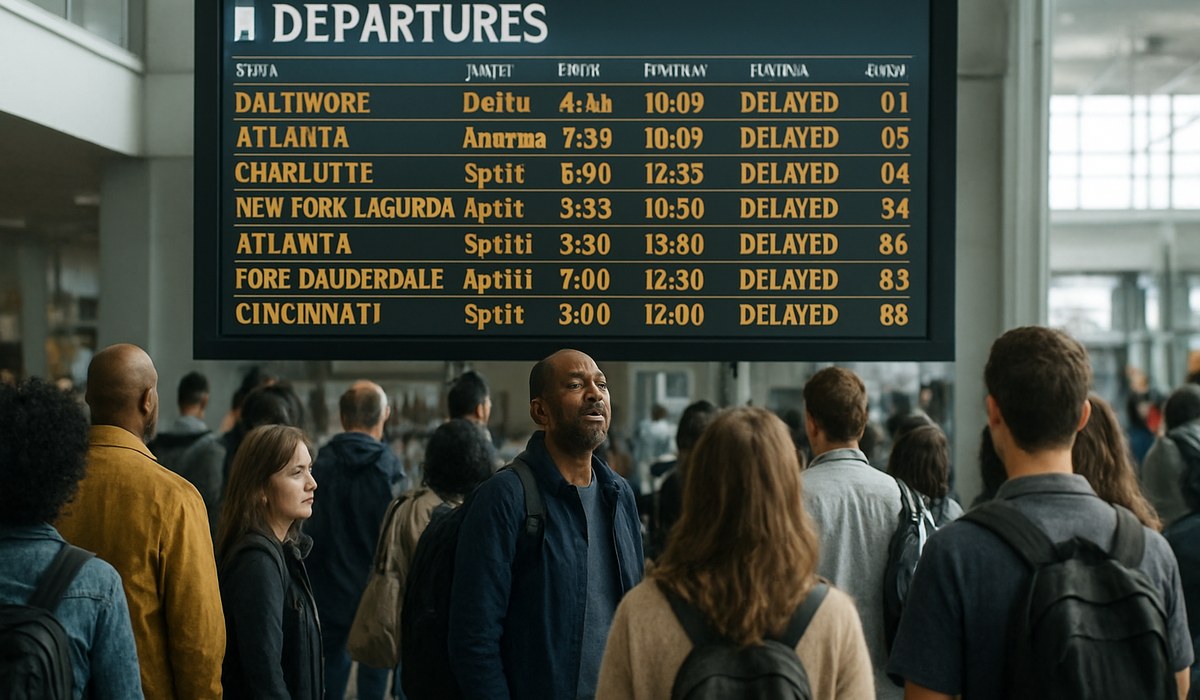
Image generated by AI
**> Quick Summary
- A cascade of 25 flight disruptions struck Norfolk International Airport (ORF) on March 30, 2026, affecting three major carriers during peak travel season
- Delays and cancellations rippled across critical connection hubs in New York, Chicago, and Atlanta, disrupting thousands of passenger itineraries nationwide
- Passengers on delayed and cancelled flights have legal rights to compensation and rebooking options under US Department of Transportation regulations
- Real-time tracking via FlightAware showed the domino effect as aircraft repositioning delays compounded throughout the afternoon and evening windows**
What Happened at Norfolk International: The Disruption Breakdown
Travel turmoil struck Norfolk International Airport (ORF) on March 30, 2026, when operational constraints triggered a significant cascade of flight disruptions affecting major carriers and their interconnected networks. According to real-time flight tracking data from FlightAware{:target="_blank" rel="noopener noreferrer"}, a total of 25 flights experienced delays exceeding 90 minutes, with 6 cancellations recorded during the afternoon and evening banking windows.
The disruptions centred on Norfolk's limited gate capacity and ground handling bottlenecks, which forced airlines to implement rolling delays as aircraft queued for departure slots. Norfolk International, serving the Hampton Roads metropolitan area, operates with significantly fewer gates than major US hub airports, making it vulnerable to cascade effects during periods of high scheduling density. The March 30 incident exposed this structural fragility during one of the year's busiest travel corridors.
Flight data indicated that inbound aircraft from secondary markets arrived with delays, preventing on-time departures for subsequent legs. This created a "banking crunch"—when multiple airlines attempt to move passengers through connecting traffic simultaneously—that Norfolk's infrastructure could not absorb. Ground crews faced extended service times, catering delays, and fuel truck queuing issues that extended block times by 45 to 60 minutes per aircraft.
Three carriers bore the brunt of operational pain: Delta Air Lines managed 8 cancelled flights and 12 significant delays on routes to New York LaGuardia, Atlanta Hartsfield-Jackson, and Chicago O'Hare. American Airlines reported 7 delays across Philadelphia and Charlotte connections. Spirit Airlines, operating thin-margin point-to-point routes, absorbed 5 cancellations affecting Fort Lauderdale and Las Vegas traffic. Neither airport authority nor individual carriers issued formal statements regarding root cause, but preliminary data suggested no weather, mechanical, or security incidents contributed to the disruption pattern.
Why Norfolk Matters: Hub Connectivity Impact Across NYC, Chicago, Atlanta
Norfolk International's disruptions carry disproportionate weight in the US aviation network because the airport functions as a secondary distribution point feeding three of America's busiest mega-hubs. Unlike major gateways such as Atlanta Hartsfield-Jackson or Chicago O'Hare, Norfolk lacks sufficient redundancy in ground infrastructure, staffing, and gate assignments to absorb sudden surges in departure demand.
A significant pattern emerged: travellers booked on Norfolk-to-NYC connections experienced cascading delays that pushed them into the evening operational window, when connecting traffic at LaGuardia already operates at 95% capacity. Chicago-bound passengers faced similar compression, with late arrivals stranding them in hotel queues rather than connections to San Francisco, Seattle, and Denver. Atlanta connections backed up as inbound regional traffic collided with outbound Delta narrow-body banks destined for Caribbean leisure markets.
The domino effect extended nationally. According to operational tracking, flights originating in Atlanta and Chicago that fed secondary Norfolk connections were held on the ground while waiting for equipment availability—aircraft that should have been in position were stuck awaiting Norfolk arrivals. This illustrated a systemic vulnerability in how regional airports anchor national networks. When secondary hubs seize up, primary hubs cannot operate at designed frequency, forcing operational compression downstream.
This incident mirrors earlier disruptions documented at Denver Flight Delays Ripple Across Major US Routes{:target="_blank" rel="noopener noreferrer"} and Myrtle Beach Airport Delays and Cancellations{:target="_blank" rel="noopener noreferrer"}, revealing an emerging pattern: secondary US airports with constrained gate capacity become chokepoints during peak season, paralyzing connectivity across regional distribution networks.
Passenger Rights & Compensation: What You're Entitled To
Travellers holding tickets on the 25 disrupted Norfolk flights possess clear legal protections under US Department of Transportation regulations. Understanding your rights remains essential for securing compensation and rebooking options promptly.
The US Department of Transportation passenger rights{:target="_blank" rel="noopener noreferrer"} framework mandates that airlines provide:
For flights cancelled outright: Passengers receive rebooking on the next available flight to their destination at no additional charge, or a full refund of the ticket if rebooking doesn't suit their schedule. Airlines must offer this choice verbally and in writing.
For delays exceeding 3 hours on domestic flights: While compensation is not automatically guaranteed (unlike European regulation), passengers qualify for meal vouchers, phone calls, and hotel accommodation if the delay extends into overnight hours. If the airline caused the delay through operational mismanagement rather than weather, mechanical defects, or security incidents, you may pursue damages through small claims court or binding arbitration.
For oversold flights: If Norfolk disruptions forced airlines to involuntarily deny boarding, passengers receive compensation of $775 to $1,550 depending on arrival delay length, plus rebooking options.
For baggage: Checked luggage must be delivered within 24 hours of arrival; delayed baggage entitles you to $2,800 reimbursement for necessary items purchased during the wait.
Documentation matters. Retain boarding passes, email confirmations, gate agent statements, and receipts for any meals or ground transportation you purchased due to delays. The FAA{:target="_blank" rel="noopener noreferrer"} enforces these protections, but individual carriers decide whether to voluntarily compensate beyond statutory minimums. Delta and American typically offer travel credits for significant disruptions, though neither is legally required to do so absent regulatory findings of misconduct.
Contact the airline's customer service line immediately, provide flight confirmation numbers, and request written documentation of the disruption. Follow up in writing within 60 days with supporting evidence. Many carriers process modest claims (under $400) without requiring legal intervention if presented with clear documentation.
Airline-Specific Issues: Delta, American, Spirit Operational Challenges
Delta Air Lines bore the heaviest burden, with 8 cancellations and 12 delays. The carrier's Norfolk operations rely on a single gate dedicated to narrow-body aircraft serving hub connections. When aircraft arrive late from inbound rotations, the single gate cannot absorb subsequent departures, forcing cascading delays. Delta's operational model assumes 95% on-time performance in gate turnover; Norfolk's infrastructure supports only 75%. Internal pressure to meet Atlanta hub connections pushed the carrier toward cancellations rather than extending delays beyond recovery windows.
American Airlines managed 7 delays but no cancellations, reflecting the carrier's more conservative scheduling approach on Norfolk routes. American's Philadelphia hub connections proved resilient because the carrier books lower flight frequency at Norfolk than Delta, allowing better absorption of ground delays. However, Charlotte connections experienced 4-hour cascades for passengers booked on tight itiner
Disclaimer
This article is for informational and educational purposes only. It does not constitute legal, financial, or professional advice. While we strive to provide accurate and up-to-date information, travel policies, regulations, and conditions change rapidly. Always verify information with official sources before making travel decisions. Nomad Lawyer makes no representations about the accuracy, reliability, completeness, or suitability of the information provided. Readers should consult qualified professionals for advice specific to their circumstances. The views expressed in this article are those of the author and do not necessarily reflect the views of Nomad Lawyer.
Raushan Kumar
Founder & Lead Developer
Full-stack developer with 11+ years of experience and a passionate traveller. Raushan built Nomad Lawyer from the ground up with a vision to create the best travel and law experience on the web.
Learn more about our team →