
New Zealand Issues Updated 2026 Hungary Travel Advisory Maintaining Level 1 Safety Status
New Zealand maintains Hungary's Level 1 travel status for 2026, balancing the country's high cultural appeal with essential safety warnings regarding urban scams and Schengen border rules.

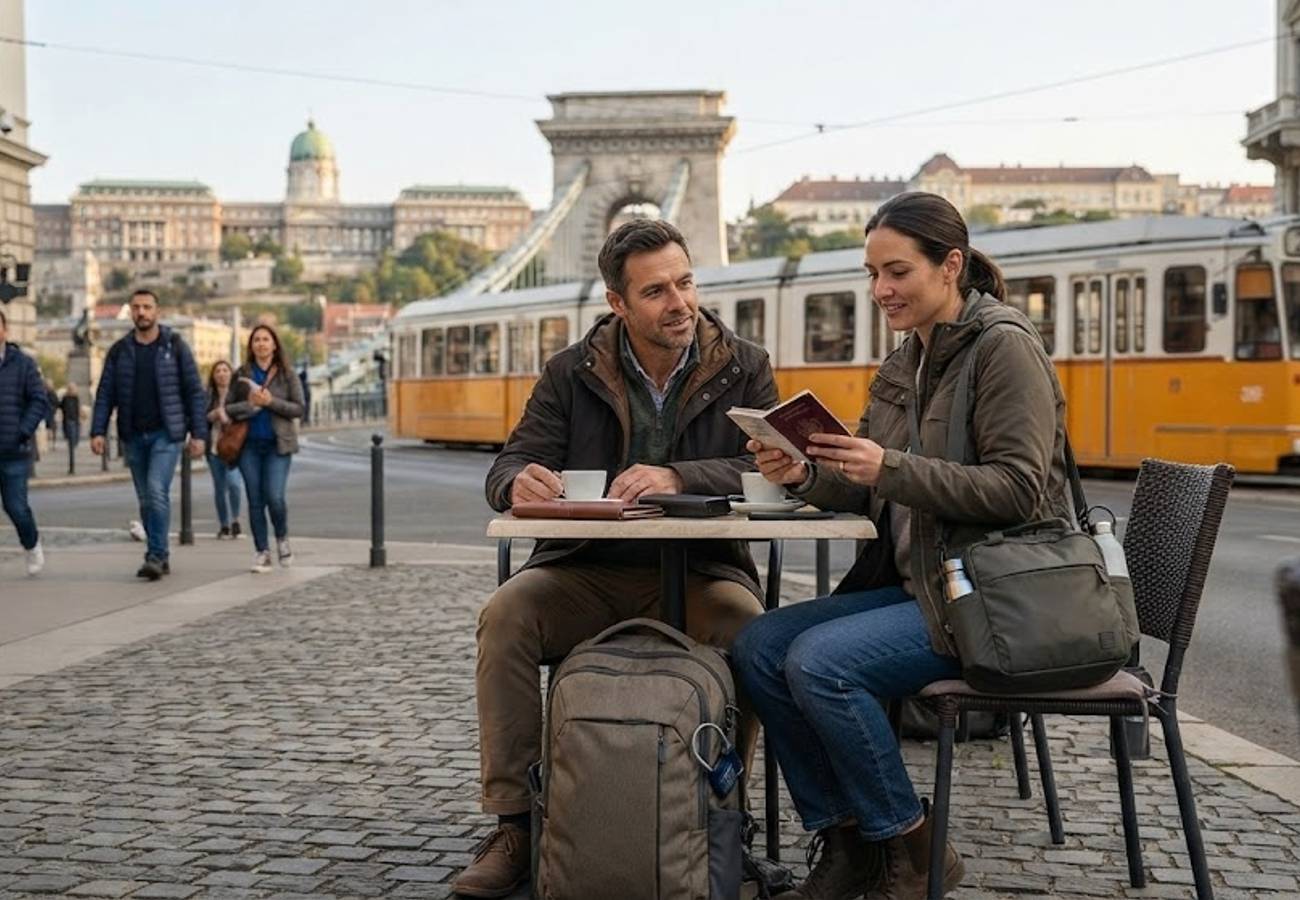
Image generated by AI
New Zealand has maintained Hungary's status as a Level 1 of 4 travel destination for 2026, confirming it remains a safe, high-value hub for European exploration. While the overall risk remains low, updated guidance emphasizes strict vigilance against urban petty crime and specific nightlife scams.
The current shift in travel guidance reflects a broader trend of "informed exploration." Rather than restricting movement, the New Zealand government is pushing for higher traveler preparedness. Hungary continues to serve as a primary gateway for visitors entering the Schengen Area, blending historic Central European architecture with modern urban connectivity. For the visitor, the real impact of this advisory is not a warning to stay away, but a roadmap for navigating the nuances of Budapest and beyond without friction.
Navigating the Urban Environment: Safety and Security
While Hungary is statistically safe, the 2026 updates highlight the necessity of standard security precautions in high-density areas. The focus is primarily on petty crime within public transport networks and major tourist corridors.
Travelers are urged to secure passports, wallets, and electronics, avoiding any overt displays of wealth. On rail networks, the guidance is explicit: luggage must never be left unattended, and overnight cabin doors must remain locked at all times.
| Situation | Recommended Action |
|---|---|
| Tourist Areas | Maintain high alertness; secure valuables |
| Public Transport | Keep passports and bags in secure, zipped compartments |
| Rail Travel | Zero unattended luggage; lock overnight cabins |
| Road Travel | Lock vehicle doors at petrol stations and highway stops |
| Personal Assets | Avoid carrying excessive cash or expensive jewelry |
Combatting Tourist Scams and Nightlife Risks
A significant portion of the updated advisory focuses on "predatory tourism" in the hospitality sector. Visitors are cautioned against specific patterns of overcharging in clubs and restaurants.
The guidance warns against accepting invitations to entertainment venues from strangers or taking nightlife recommendations from taxi drivers, as these often lead to venues where "bill shock" or aggressive overcharging occurs. Travelers are advised to verify menus and price lists before ordering and to review all bills meticulously. If a dispute arises, the recommendation is to avoid confrontation and contact local authorities immediately.
Furthermore, a specific warning has been issued regarding food and drink spiking. Visitors should never leave beverages unattended and should be wary of accepting snacks, cigarettes, or gum from strangers.
Geopolitical Awareness and Regional Logistics
The 2026 advisory provides critical context regarding Hungary's borders. Due to the ongoing military action in Ukraine, travelers are explicitly advised not to attempt crossing the border from Hungary into Ukraine. For those arriving from Ukraine who require consular support, the New Zealand Embassy in Austria (which is accredited to Hungary) remains the primary point of contact, supported by the Ministry of Foreign Affairs 24/7 emergency line.
Within the city of Budapest, visitors should expect frequent demonstrations. While typically peaceful, these gatherings can disrupt public transport and municipal services. Staying flexible with itineraries and monitoring local news is essential for those staying in the capital.
The Schengen Advantage and Entry Requirements
Hungary’s membership in the Schengen Area remains a primary draw for international nomads. This allows for seamless movement across participating European borders without routine passport checks. However, the New Zealand advisory reminds travelers that passports must be carried at all times, as authorities reserve the right to request identification during spot checks or border crossings.
To ensure a smooth trip, the government recommends comprehensive medical and travel insurance that specifically includes emergency medical evacuation by air.
Visitor Insider Tips
To experience Hungary beyond the tourist traps, consider these local insights:
- Off-Peak Windows: Visit Budapest during the "shoulder seasons" of late September or April to avoid the heaviest crowds while enjoying mild weather.
- Dining Etiquette: When dining in traditional csárda (taverns), remember that tipping is appreciated but not mandatory; rounding up the bill is the local norm.
- Hidden Gem: While the Parliament building is iconic, explore the Jewish Quarter's "ruin bars" during the early afternoon for a quieter, more authentic look at the architecture before the nightlife crowds arrive.
- Sustainable Travel: Support the local economy by shopping at the Great Market Hall (Nagycsarnok), but venture to the smaller neighborhood markets in District VII for more authentic, less commercialized produce.
Tourism Outlook
The long-term trajectory for Hungary remains positive. By maintaining a Level 1 safety rating, Hungary positions itself as a stable and welcoming entry point for the Asia-Pacific market. The emphasis on "responsible travel" and "informed awareness" suggests a move toward higher-quality, more sustainable tourism that protects both the visitor and the local community.
Travel smart, stay alert, and embrace the timeless allure of the Danube.
Related Travel Guides
Disclaimer
This article is for informational and educational purposes only. It does not constitute legal, financial, or professional advice. While we strive to provide accurate and up-to-date information, travel policies, regulations, and conditions change rapidly. Always verify information with official sources before making travel decisions. Nomad Lawyer makes no representations about the accuracy, reliability, completeness, or suitability of the information provided. Readers should consult qualified professionals for advice specific to their circumstances. The views expressed in this article are those of the author and do not necessarily reflect the views of Nomad Lawyer.
Preeti Gunjan
Contributor & Community Manager
A passionate traveller and community builder. Preeti helps grow the Nomad Lawyer community, fostering engagement and bringing the reader experience to life.
Learn more about our team →