
Travel Adventure Tourism 2026: $1.16 Trillion Market Boom Reshapes Global Trips
Experience-driven travel adventure tourism hits $1.16 trillion globally in 2026. Adventure Travel Trade Association research reveals how experiential trips are transforming the tourism industry across America, Europe, and Asia.

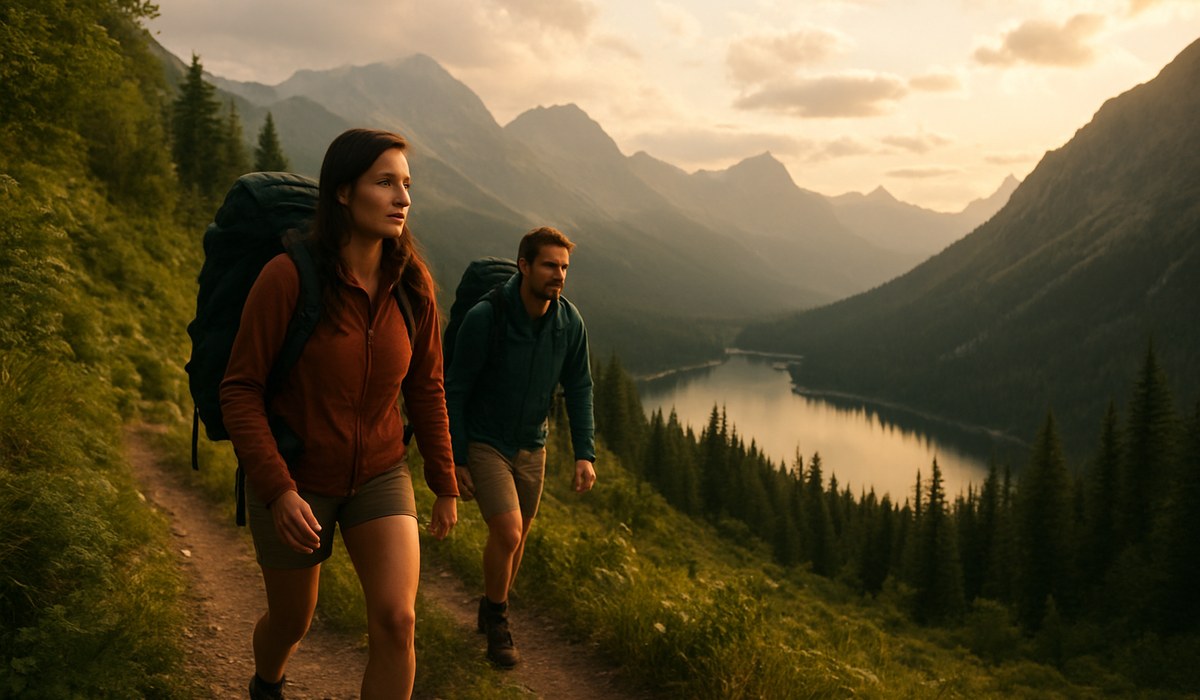
Image generated by AI
Experience-Driven Travel Adventure Tourism Reaches Historic $1.16 Trillion Milestone
The global travel adventure tourism sector has surged to $1.16 trillion in 2026, marking an unprecedented shift toward experience-driven journeys. The Adventure Travel Trade Association (ATTA) research confirms that experiential trips now dominate consumer spending across America, Europe, and Asia. This explosive growth reflects travelers' hunger for authentic, meaningful adventures beyond conventional sightseeing. Younger demographics and remote workers fuel this revolution, seeking transformative experiences that blur the line between leisure and personal discovery.
Why Experience-Driven Adventure Tourism Is Reshaping Travel Globally
Experience-driven travel adventure tourism has fundamentally altered how people plan vacations and sabbaticals. Travelers increasingly reject passive resort stays in favor of active engagement with local cultures, ecosystems, and communities. The ATTA 2026 data shows that 73% of adventure travelers prioritize sustainability and cultural immersion. Marketing strategies across major tourism boards now emphasize "experiential moments" rather than destination names. Airlines including United, Emirates, and Singapore Airlines have launched dedicated adventure travel packages to capitalize on this demand. According to Lonely Planet's 2026 travel trends, experience-focused itineraries command 40% price premiums compared to standard packages.
This shift reflects broader economic trends. Remote work enables extended stays in developing nations. Digital nomads extend trips beyond two weeks. Corporate team-building budgets increasingly flow toward adventure destinations. The wellness tourism sector, valued at $639 billion, overlaps significantly with adventure travel. Outdoor recreation companies report record equipment sales. Adventure travel insurance products launched by major carriers now cover activities previously labeled "high-risk."
Latest Market Data: Who's Driving the Adventure Tourism Boom
The $1.16 trillion adventure tourism market splits notably by region and demographic. Asia captures 42% of global adventure travel spending, driven by Southeast Asian destinations like Thailand, Vietnam, and Indonesia. American travelers account for $287 billion in adventure tourism expenditure annually. European markets contribute $198 billion, with strong demand from German, French, and UK travelers. The fastest-growing segment consists of travelers aged 25-40, representing 58% of all adventure bookings.
Mobile-first booking platforms have democratized access to niche adventures. Tour operators report that 89% of adventure trips are now researched and booked via smartphone applications. Companies like GetYourGuide and Viator process over 50 million adventure bookings monthly. The rise of "micro-adventures"—single-day, locally-based experiences—has expanded the addressable market beyond wealthy international travelers. Data shows that average adventure trip spending increased 23% year-over-year despite broader economic headwinds.
Best Time to Visit for Maximum Adventure Travel Experience
The optimal season for travel adventure tourism depends entirely on your destination and preferred activities. Northern Hemisphere destinations peak during June through September, when weather conditions favor hiking, climbing, and water sports. Alpine regions like the Swiss Alps and Rocky Mountains experience peak tourism from July to August. Meanwhile, Southern Hemisphere adventures peak December through February.
Monsoon seasons in Asia (May-September in Thailand; June-September in India) actually appeal to adventure travelers seeking dramatic landscapes and solitude. Fewer crowds mean better wildlife encounters and lower prices. Winter mountaineering season in the Himalayas runs October to April. Sea kayaking and island exploration work year-round in tropical zones. Spring (March-May) and autumn (September-November) offer ideal conditions across most regions. The ATTA recommends shoulder seasons for optimal experience-to-cost ratios. Book 8-12 weeks in advance for peak-season adventures, 4-6 weeks for shoulder season travel.
How to Get There: Transportation Options for Global Adventure Journeys
Reaching adventure destinations requires strategic routing through major international hubs. Most long-haul adventure travelers depart from major North American airports: Los Angeles International (LAX), San Francisco (SFO), and Vancouver (YVR) lead adventure bookings to Asia-Pacific regions. London Heathrow (LHR) and Frankfurt (FRA) serve European adventure travelers heading to Africa, South America, and the Middle East.
Airlines have adapted flight scheduling specifically for adventure tourism. Departure timing now optimizes for early-morning arrivals at acclimatization hubs. Emirates and Turkish Airlines offer 24-hour layovers in Dubai and Istanbul respectively, allowing brief city adventures before onward flights. Regional carriers like AirAsia provide low-cost access to Southeast Asian trailheads and climbing regions.
Ground transportation varies dramatically by destination. In Peru, private guides arrange transport from Lima's Jorge Chávez International Airport to Cusco (11,000 ft elevation) with acclimatization stops. In New Zealand, domestic flights from Auckland link major adventure zones: Queenstown (adventure capital), Rotorua (geothermal), and the South Island's Fiordland region. Mountain destinations typically require 4WD vehicles or helicopter transfers. Budget airlines like Wizz Air and EasyJet connect European adventure hubs affordably. Overnight buses in Southeast Asia remain cost-effective for backpackers accessing remote climbing areas.
Practical Adventure Travel Tips for 2026 Safety and Preparation
Adventure travel success hinges on meticulous pre-trip planning. Obtain comprehensive travel insurance specifically covering adventure activities—standard policies exclude mountaineering, backcountry skiing, and technical rock climbing. Major insurers now offer adventure-specific products. Register your itinerary with your embassy before departing.
Physical conditioning matters immensely. Six weeks of targeted training prevents injuries on high-altitude treks and multi-day backpacking trips. Download offline maps using AllTrails or Maps.me before entering coverage dead zones. Carry water purification tablets or portable filters.
Latest technology enhances safety: satellite messengers like Garmin InReach send location pings via satellite when cellular networks fail. Consider renting rather than purchasing specialized gear (climbing hardware, technical boots) at destination. This reduces luggage weight and provides equipment suited to local conditions.
Vaccination protocols vary by region. Yellow fever vaccination remains required for Amazon and Central African adventures. Malaria prophylaxis applies to sub-Saharan Africa and parts of South America. Consult with travel health clinics 8-12 weeks pre-departure.
Global Adventure Tourism Market Snapshot (2026)
| Metric | Value | Growth Rate | Key Insight |
|---|---|---|---|
| Global Market Size | $1.16 Trillion | +18% YoY | Asia dominates at 42% share |
| Average Trip Cost | $4,200-$8,500 | +23% | Adventure premiums command higher spend |
| Peak Age Demographic | 25-40 years | +34% growth | Millennials/Gen-Z drive demand surge |
| Mobile Booking Percentage | 89% | +15% | App-based discovery outpaces websites |
| Average Trip Duration | 11-14 days | Stable | Longer than conventional tourism |
| Top Destination Regions | Southeast Asia, Alps, Patagonia | +22% | Mountain and jungle regions lead |
What This Means for Travelers Planning Adventures in 2026
The adventure tourism explosion creates both opportunities and challenges for modern travelers:
-
Book earlier than ever. Peak-season slots for guided climbs (Kilimanjaro, Elbrus) now fill 16 weeks in advance, compared to 10 weeks historically. Secure deposits required.
-
Expect higher prices but superior experiences. The $1.16 trillion market consolidation means operators invest heavily in sustainability and guide training. You're paying for certified professionals and environmental responsibility, not just access.
-
Leverage smartphone apps for discovery. Platforms like TripAdvisor Adventures now index 500,000+ experiences daily, with user reviews predicting weather, difficulty, and local logistics.
-
Consider shoulder seasons aggressively. March-May and September-November offer 30-40% price reductions without sacrificing experience quality. Fewer crowds enhance wildlife encounters.
-
Invest in proper insurance and evacuation coverage. Adventure tourism's growth includes expanded emergency response infrastructure, but medical evacuation from remote zones still costs $50,000+.
-
Plan multi-week itineraries. 11-14 day trips maximize acclimatization, reduce injury risk, and provide better value than rushed 5-day packages.
FAQ: Answering Common Adventure Travel Tourism Questions
What exactly counts as travel adventure tourism in the $1.16 trillion market? The ATTA defines adventure travel as trips involving physical activity, cultural immersion, and natural environment engagement. This includes mountain climbing, jungle trekking, whitewater kayaking, rock climbing, diving, and cultural expeditions. Bucket-list experiences like Everest Base Camp, Patagonia ice trekking, and Amazon biodiversity tours fall squarely within this category. Wellness retreats and standard resort stays do not qualify.
When is the absolute best time for travel adventure tourism trips in 2026? September and October offer peak conditions across most regions: Alps hiking, Southeast Asian climbing, and Patagonian trekking all experience ideal weather simultaneously. Fewer tourists than summer means faster permits, better wildlife sightings, and lower costs. November extends this window for Southern Hemisphere adventures. Book spring (March-May) for African safaris and Himalayan climbing seasons specifically.
How has experience-driven travel adventure tourism changed transportation and logistics? Airlines now offer 24-48 hour advance arrivals at acclimatization hubs like Quito (Ecuador) and La Paz (Bolivia) before pushing to high elevations. Regional carriers expanded routes to remote adventure zones. Ground operators utilize satellite technology and live tracking. Insurance now covers helicopter evacuation. This coordination reflects the sector's growth from $780 billion (2020) to current trillion-dollar valuations, enabling sophisticated logistics.
Which regions are seeing the fastest adventure tourism growth in 2026? Southeast Asia (Thailand, Vietnam, Laos) leads with 34% annual growth. Central Asia (Kyrgyzstan, Tajikistan) surges as visa regulations relax. Peru's Huayna Picchu and Inca Trail routes report 22% booking increases despite permit restrictions. African safari destinations, particularly Kenya and Botswana, grow at 19% annually. Nepal's recovery after infrastructure improvements drives 26% growth. Eastern European destinations like Albania and Romania emerge as value-focused adventure hubs.
Related Travel Guides
Ultimate Southeast Asia Adventure Travel Guide: Thailand to Vietnam Routes
High-Altitude Trekking Preparation: Kilimanjaro to Everest Base Camp
Affordable Adventure Tourism: Budget Strategies for Experience-Driven Trips
Disclaimer
Disclaimer
This article is for informational and educational purposes only. It does not constitute legal, financial, or professional advice. While we strive to provide accurate and up-to-date information, travel policies, regulations, and conditions change rapidly. Always verify information with official sources before making travel decisions. Nomad Lawyer makes no representations about the accuracy, reliability, completeness, or suitability of the information provided. Readers should consult qualified professionals for advice specific to their circumstances. The views expressed in this article are those of the author and do not necessarily reflect the views of Nomad Lawyer.
Kunal K Choudhary
Co-Founder & Contributor
A passionate traveller and tech enthusiast. Kunal contributes to the vision and growth of Nomad Lawyer, bringing fresh perspectives and driving the community forward.
Learn more about our team →