
Eswatini Responsible Tourism: New 105-Hectare Flora Reserve to Protect Biodiversity
Following the 3rd Responsible Tourism Conference, Eswatini announces the establishment of a 105-hectare Flora Reserve at Piggs Peak to promote sustainable practices and economic growth.

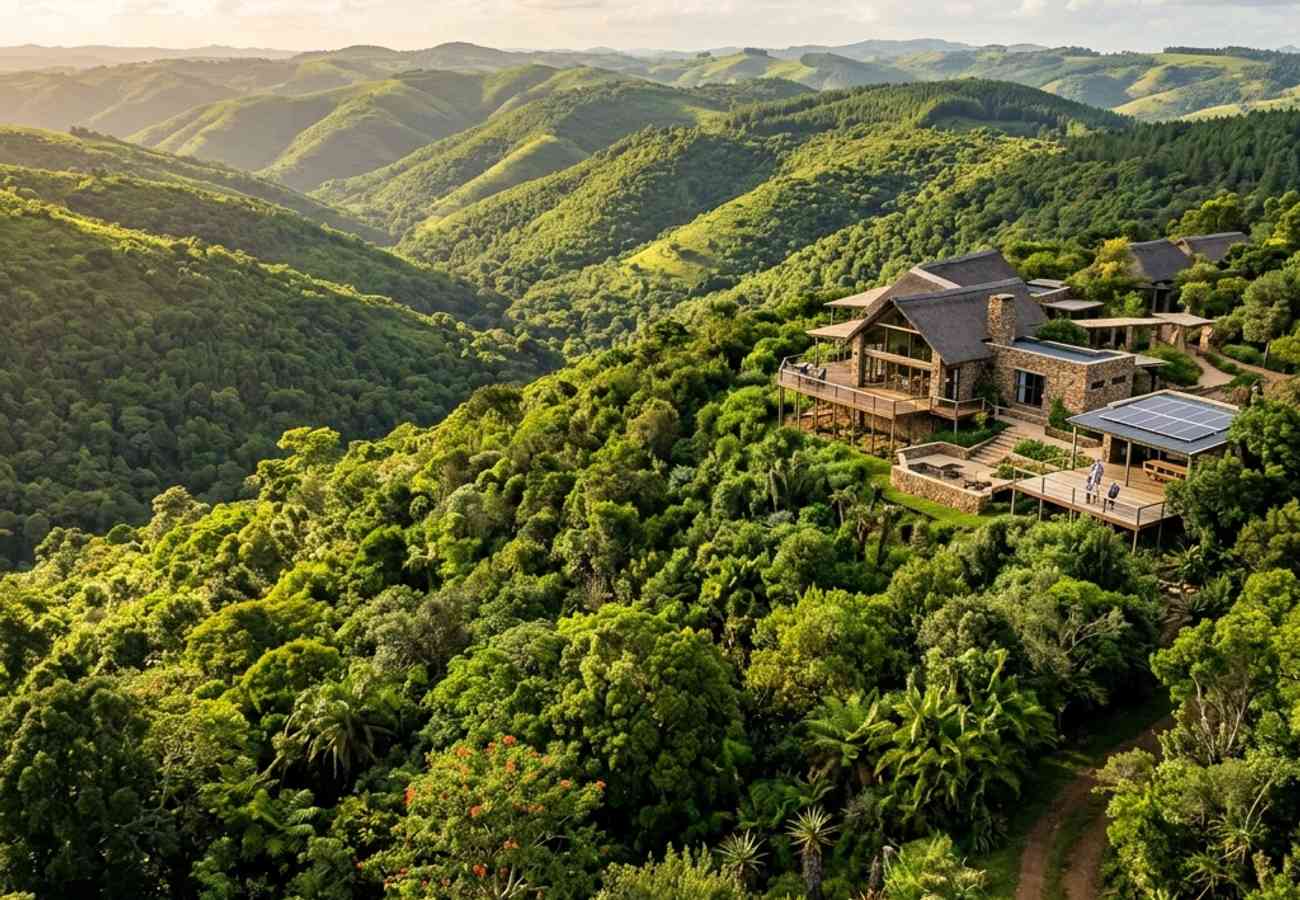
Image generated by AI
Quick Summary
- Eswatini has concluded its 3rd Responsible Tourism Conference (May 1, 2026) at Piggs Peak Hotel, reaffirming its commitment to sustainable growth and biodiversity conservation.
- A major outcome is the progress toward establishing a 105-hectare Flora Reserve within the Piggs Peak natural area, to be gazetted under the Flora Protection Act of 2001.
- Tourism operators are being encouraged to integrate indigenous and endangered plant species into their landscapes to create conservation micro-habitats and reduce water consumption.
- The initiative aims to position Eswatini as a leader in eco-tourism, attracting global travelers who prioritize environmental integrity and community-based experiences.
The Kingdom of Eswatini is rapidly emerging as a regional champion for responsible tourism. Following the successful conclusion of its third major industry conference in Piggs Peak, the nation has unveiled a series of initiatives designed to weave environmental conservation directly into the fabric of its tourism infrastructure. These steps are expected to drive long-term economic growth while ensuring the preservation of the country’s unique natural heritage for future generations.
Eswatini Sustainability & Conservation Metrics: 2026
The new initiatives focus on measurable impacts for both the environment and the local tourism economy.
| Metric | Target / Specification | Impact Goal |
|---|---|---|
| New Flora Reserve Area | ~105 Hectares | Biodiversity protection & eco-tourism hub |
| Legal Framework | Flora Protection Act, No. 5 of 2001 | Formal conservation status & enforcement |
| Vegetation Focus | Indigenous & Endangered Species | Restoration of native ecosystems |
| Operational Change | Reduced water/maintenance landscaping | Resource conservation & sustainability |
| Economic Focus | Eco-conscious traveler segment | Job creation & local business support |
Enhancing Biodiversity through Indigenous Landscapes
A core message from Eswatini’s Department of Forestry is the mandatory shift toward sustainable landscaping. Tourism operators are now being urged to replace exotic vegetation with indigenous flora.
- Sustainability: Indigenous plants are naturally adapted to the local climate, requiring significantly less water and maintenance than exotic species.
- Micro-Habitats: By incorporating these species, hotels and lodges can create critical "conservation micro-habitats" that support local insects, birds, and small mammals.
- Biodiversity Restoration: This proactive approach allows the tourism sector to play a direct role in restoring Eswatini’s native ecological balance.
Flora Reserve: A Model for Sustainable Infrastructure
The proposed Flora Reserve at Piggs Peak is set to become the flagship project for Eswatini’s responsible tourism model. Spanning 105 hectares, the reserve will provide an immersive educational experience for visitors.
Once officially gazetted, the reserve will allow tourists to explore Eswatini’s rich natural heritage through guided eco-walks and community-led conservation tours. This model demonstrates how tourism facilities can coexist with protected natural zones, providing a blueprint for future developments across the Kingdom.
Economic and Environmental Growth
Responsible tourism in Eswatini is being framed as an economic opportunity as much as an environmental necessity. According to industry leaders, including Mr. Abhishek Singh (founder of Terra Rex Realty), the collaboration between the government and the private sector is essential for success.
By prioritizing sustainability, Eswatini aims to capture the growing global market of eco-conscious travelers. This high-value segment typically seeks authentic, nature-based experiences and is willing to pay a premium for destinations that demonstrate a clear commitment to conservation. This shift is expected to create new jobs in local communities and support small businesses that provide authentic cultural and environmental services.
FAQ: Eswatini Responsible Tourism 2026
What is the Flora Reserve at Piggs Peak? It is a newly proposed 105-hectare conservation area designed to protect Eswatini’s native plant species while serving as a model for integrated responsible tourism.
How does responsible tourism help Eswatini's economy? By attracting eco-conscious international travelers, the initiative creates sustainable jobs in conservation, hospitality, and local crafts, diversifying the economy away from traditional sectors.
Can tourists visit the new reserve now? The reserve is currently in the process of being officially declared and gazetted. Once the legal process is complete, it will be open for eco-friendly tourism activities.
Related Travel Guides
Disclaimer
This article is for informational and educational purposes only. It does not constitute legal, financial, or professional advice. While we strive to provide accurate and up-to-date information, travel policies, regulations, and conditions change rapidly. Always verify information with official sources before making travel decisions. Nomad Lawyer makes no representations about the accuracy, reliability, completeness, or suitability of the information provided. Readers should consult qualified professionals for advice specific to their circumstances. The views expressed in this article are those of the author and do not necessarily reflect the views of Nomad Lawyer.
Kunal K Choudhary
Co-Founder & Contributor
A passionate traveller and tech enthusiast. Kunal contributes to the vision and growth of Nomad Lawyer, bringing fresh perspectives and driving the community forward.
Learn more about our team →