
New Zealand France and Global Powers Expand Consular Support for Travellers Amid 2026 Middle East Crisis
New Zealand, France, and other leading nations have activated emergency consular support and evacuation planning for citizens stranded by military tensions and airspace restrictions in the Middle East.

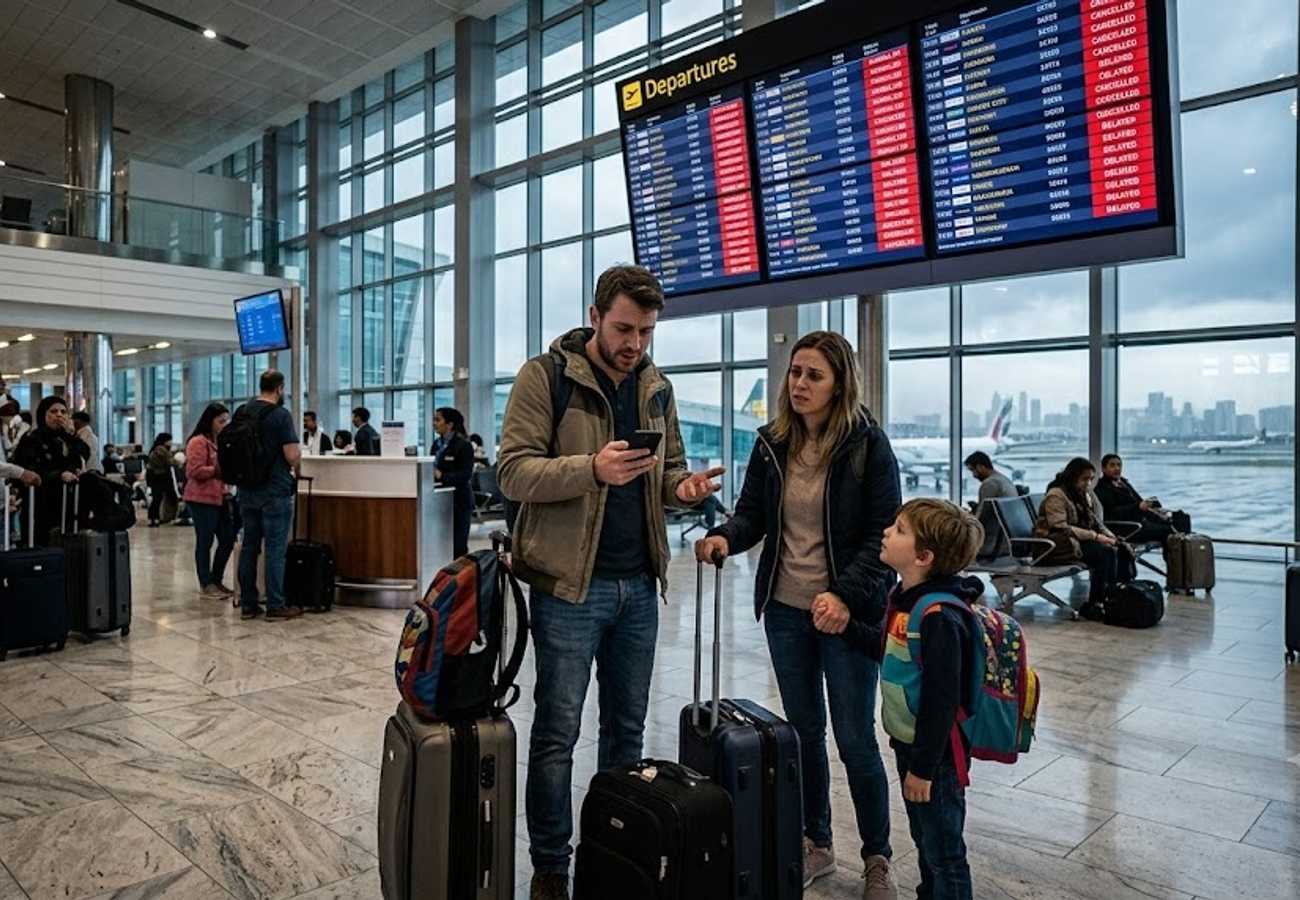
Image generated by AI
Headline Options:
- Factual/News: New Zealand, France, and Global Powers Expand Consular Support and Evacuation Plans for Travellers Affected by Middle East Crisis in 2026
- Curiosity-Gap (Discover): Airspace Closures and Military Tension: Why Nations are Now Triggering Emergency Evacuations in the Middle East
- Problem-Solving (Search): What to Do if Stranded in the Middle East: Emergency Consular Contacts and Passenger Rights for 2026
Stranded travellers in the Middle East are facing escalating risks as military strikes and airspace restrictions disrupt global aviation. Governments including New Zealand, France, and the US have now activated emergency consular protocols to facilitate evacuations and safe transit.
The security environment in the Middle East has deteriorated rapidly, forcing a coordinated international response to protect citizens in Iran, Lebanon, Israel, Iraq, and the Gulf region. As retaliatory strikes increase, commercial aviation is facing sudden cancellations and rerouting, leaving thousands of passengers stranded at critical transit hubs.
Flight and Airport Impact Breakdown
Our analysis of regional aviation data indicates that the following hubs and routes are under extreme pressure:
- Strategic Transit Hubs: Dubai, Beirut, and Manama are currently the primary focal points for government contingency planning.
- High-Risk Zones: Operations in Iran, Lebanon, Israel, and Iraq are subject to immediate suspension based on military activity.
- Aviation Risks: Flight tracking systems show a high probability of sudden airspace closures, leading to extended delays and the total suspension of specific carrier services.
- Connection Disruptions: The crisis is impacting the primary corridors connecting Asia, Europe, Africa, Australia, and North America.
National Emergency Response Measures
Different nations have implemented specific protocols to manage the crisis:
New Zealand The New Zealand Embassy in Tehran has temporarily closed. All citizens requiring urgent assistance must now coordinate through the embassy in Ankara, Türkiye.
- Embassy in Ankara: +90 312 446 3333
- 24/7 Consular Emergency Line: +64 99 20 20 20
- Requirement: Travellers are urged to use the SafeTravel registration system for real-time updates.
France France is leveraging its experience in overseas evacuation operations, coordinating a mix of commercial flights and charter aircraft to extract citizens from volatile areas, specifically monitoring the pressure on Beirut’s aviation infrastructure.
Australia The Department of Foreign Affairs and Trade is focusing on the high volume of Australians transiting through Dubai, Doha, and Abu Dhabi, warning that any closure of these hubs will sever primary links between Australia and Europe.
United Kingdom and United States The UK Foreign Office and US authorities have activated emergency communication channels and are advising citizens to depart the region while safe commercial routes remain operational.
Passenger Rights & Advisory (Information Gain)
For the affected passenger, a government "travel warning" or "embassy closure" does not absolve the airline of its contractual obligations, though "extraordinary circumstances" often complicate claims.
Our analysis of aviation policy suggests the following actions:
- Duty of Care: If you are stranded at a hub like Dubai or Manama, airlines are generally required to provide "duty of care" (meals and hotel accommodation) regardless of the cause of the delay.
- EU261/2004 Application: For those flying with EU carriers or departing from EU airports, military conflict is often classified as an "extraordinary circumstance," meaning cash compensation for delays may be denied. However, the right to re-routing or a full refund remains absolute.
- Insurance Limitations: Many standard travel insurance policies have "War Risk" exclusions. If your government has issued a "Do Not Travel" warning for a region, your insurance may be voided. Check your policy for "Political Evacuation" riders.
- Documentation: Keep a precise log of all communications from the airline and copies of all boarding passes. This is essential for subsequent claims regarding "additional expenses" incurred during the disruption.
Industry Analyst View
The current instability highlights a systemic vulnerability in global aviation: the over-reliance on a few Middle Eastern "super-hubs." When airspace in the Gulf or Levant is compromised, the ripple effect is felt globally, from Perth to London.
The shift toward government-led charter evacuations suggests that diplomatic missions no longer trust commercial schedules to provide a reliable exit strategy during the current escalation. We expect to see a temporary surge in traffic through alternative hubs in Central Asia or East Africa as carriers seek to bypass the conflict zone.
Safe travels are contingent on real-time diplomatic coordination in 2026.
Related Travel Guides
Disclaimer
This article is for informational and educational purposes only. It does not constitute legal, financial, or professional advice. While we strive to provide accurate and up-to-date information, travel policies, regulations, and conditions change rapidly. Always verify information with official sources before making travel decisions. Nomad Lawyer makes no representations about the accuracy, reliability, completeness, or suitability of the information provided. Readers should consult qualified professionals for advice specific to their circumstances. The views expressed in this article are those of the author and do not necessarily reflect the views of Nomad Lawyer.

Kunal K Choudhary
Co-Founder & Contributor
A passionate traveller and tech enthusiast. Kunal contributes to the vision and growth of Nomad Lawyer, bringing fresh perspectives and driving the community forward.
Learn more about our team →