
New U.S. Birth Tourism and Citizenship Rules: Travel Restrictions
U.S. President Trump issued two executive orders on August 6, 2026, targeting birthright citizenship and birth tourism. Read about new border rules.
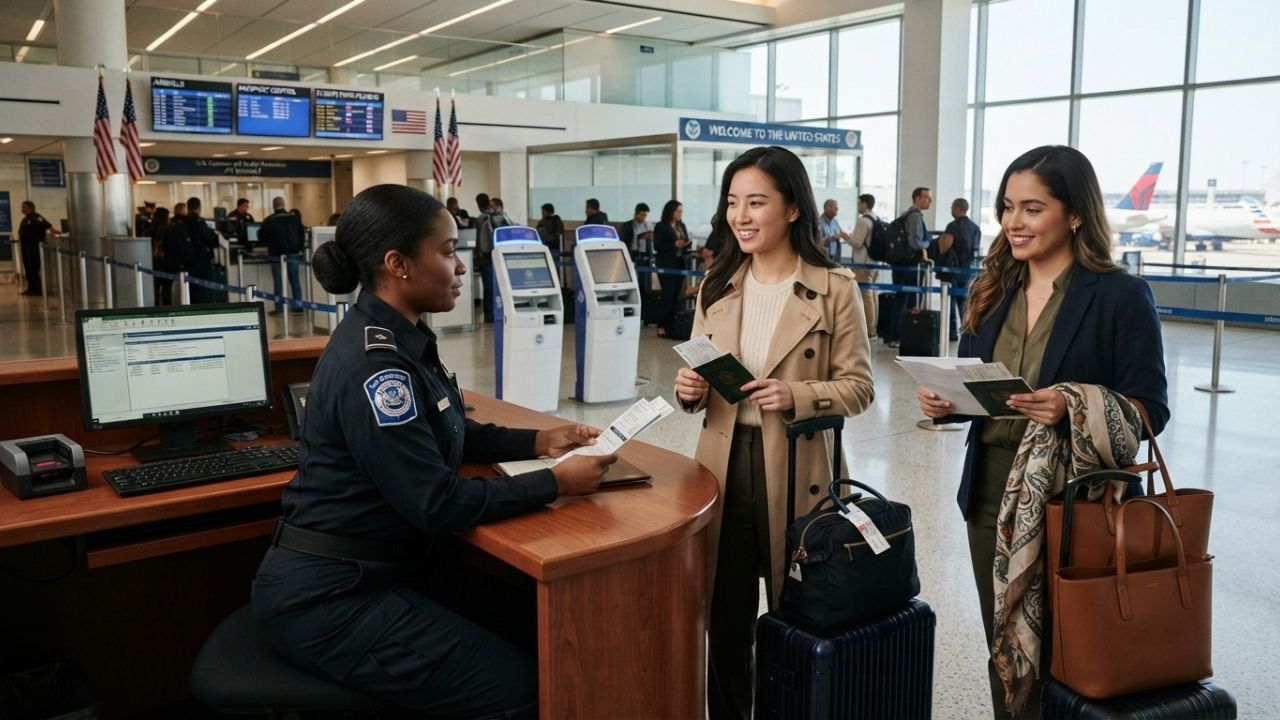
Image generated by AI
President Trump issued two executive orders on August 6, 2026, introducing strict travel restrictions and excluding specific demographics from U.S. birthright citizenship.
The legal framework governing birthright citizenship and short-term visitor entry into the United States has experienced a major shift. On August 6, 2026, President Trump issued two executive orders targeting automatic citizenship and birth tourism. These directives emerged five weeks after the Supreme Court's ruling in Trump v. Barbara, which invalidated a previous attempt to end automatic citizenship under the Fourteenth Amendment.
Acknowledging judicial protections for children born within the country, the current administrative strategy focuses on narrow classifications, arguing that specific groups of children fall outside the scope of automatic naturalization.
Executive Order Specifications and Enforcement Classes
The new directives instruct U.S. border and immigration agencies to apply strict eligibility audits. The following table outlines the targeted categories, legal justifications, and active enforcement parameters established under the executive mandates.
| Target Category / Class | Ineligibility Rationale | Active Enforcement Agencies | Key Border and Visa Restrictions | Affected Travel Demographics |
|---|---|---|---|---|
| Alien Enemies | National security / hostility clauses | DHS / Dept of State | Immediate entry refusal and visa block | Non-citizens from restricted states |
| Diplomatic Employees | Foreign government employment | DHS / Dept of State | Excluded from birthright naturalization | Foreign state & diplomatic workers |
| Status Fraud Parents | Intentional immigration manipulation | DHS / CBP | Visa revocation and criminal penalties | Travel organizers and birth tourists |
Administrative frameworks and immigration rules updated in coordination with the U.S. Department of Homeland Security (DHS) and the U.S. Department of State.
Traveler Logistics and Port of Entry Guidelines
From a ground-level perspective, the best way to navigate this is to ensure a connection layover of at least three and a half hours at your first U.S. port of entry (such as JFK or LAX), as Customs and Border Protection (CBP) officers are conducting significantly more secondary inspections to verify the intent and financial solvency of short-term visitors. Travelers should prepare for thorough questioning regarding their lodging plans, medical intent, and return ticketing.
To navigate the updated immigration environment:
- Visa Application Integrity: International visitors traveling for medical, family, or business purposes must provide complete, verified documentation. Any misrepresentation regarding the purpose of a stay can trigger immediate visa revocation under the new status fraud directives.
- Secondary CBP Inspections: Border agents have broader discretion at ports of entry. Carry physical copies of return itineraries, hotel bookings, and bank statements to verify financial self-sufficiency.
- Facilitator Audits: Individuals or agencies found to be organizing or facilitating birth tourism face civil and criminal penalties, and travelers associated with these services are subject to immediate deportation.
- Diplomatic Processing: Children born in the United States to parents working for foreign governments or diplomatic missions must have their visa classifications reviewed to confirm compliance with the updated rules.
Legal Challenges and Structural Implications
Within the legal community, these executive orders are viewed as highly controversial. Coming shortly after the Supreme Court's ruling in Trump v. Barbara, they are expected to face immediate challenges in federal court from civil liberties organizations.
However, until the courts issue injunctions, the Department of State and the Department of Homeland Security are implementing these operational policies. Shifting the administrative focus to specific exclusions reflects a precision-based strategy, introducing a period of regulatory change for international visitors, diplomatic workers, and immigration attorneys.
Related Travel Guides
Where to Watch the 2026 Perseids Meteor Shower: The Ultimate Astrotourism and Commuter Guide
South Korea Extreme Heat Wave Triggers Canada Travel Warning
Disclaimer
This article is for informational and educational purposes only. It does not constitute legal, financial, or professional advice. While we strive to provide accurate and up-to-date information, travel policies, regulations, and conditions change rapidly. Always verify information with official sources before making travel decisions. Nomad Lawyer makes no representations about the accuracy, reliability, completeness, or suitability of the information provided. Readers should consult qualified professionals for advice specific to their circumstances. The views expressed in this article are those of the author and do not necessarily reflect the views of Nomad Lawyer.