
Where to Watch the 2026 Perseids Meteor Shower: The Ultimate Astrotourism and Commuter Guide
The 2026 Perseid meteor shower peak brings major astrotourism arrivals. View transit logistics, dark-sky regulations, and national park digital booking systems.

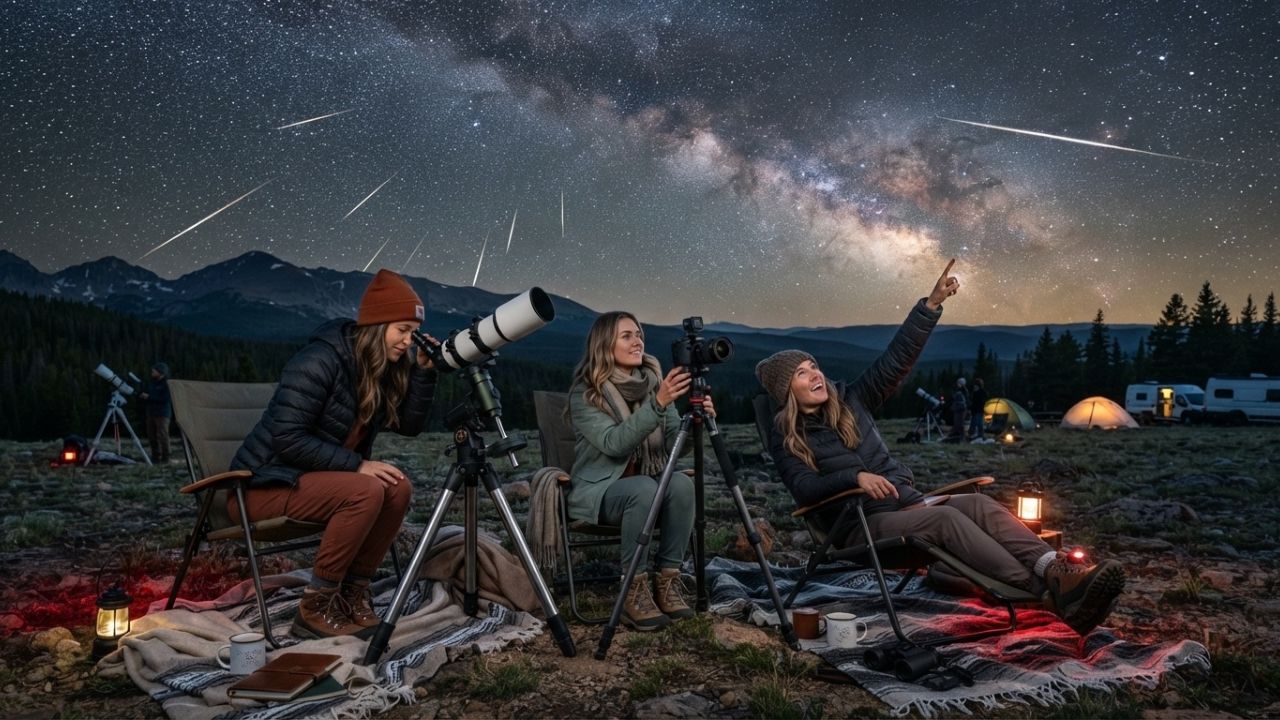
Image generated by AI
The 2026 Perseid meteor shower, originating from Comet 109P/Swift-Tuttle, will trigger a surge in global astrotourism under optimal new moon dark skies, prompting municipal transit adjustments and strict new digital booking controls.
Stargazers and astrotourists are preparing for the annual peak of the Perseid meteor shower, one of the most prominent celestial occurrences in the Northern Hemisphere. Earth's intersection with the debris trail left by Comet 109P/Swift-Tuttle produces vibrant streaks of light as cosmic dust disintegrates in the upper atmosphere. In August 2026, astronomical conditions are uniquely favorable due to a new moon phase, providing absolute darkness that maximizes visibility for deep-space observers.
According to technical bulletins from the NASA Meteoroid Environment Office, this year's observation window offers a rare zero-percent lunar illumination index. Stargazing communities are moving toward designated dark-sky reserves to escape urban light pollution, prompting local transport and municipal authorities to implement strict transit management strategies.
Regulatory Transit Codes and Route Specifications
As the celestial peak approaches, local transit ministries and national park administrators have designated special route regulations to prevent gridlock. Visitors traveling by vehicle must adhere to specific lighting policies and parking caps to protect both the natural environment and the night vision of other stargazers.
The following table summarizes the travel sectors, scientific assets, and local conservation regulations established for the 2026 stargazing corridors.
| Astrotourism Region / Destination | Primary Transit Route | Dark-Sky Status / Access Policy | Parking Availability / Vehicle Rules | Peak Viewing Window / Moon Phase |
|---|---|---|---|---|
| Bryce Canyon National Park (Utah) | National Highway 12 / UT-63 | Digital Reservation Required | Restricted; Low-intensity red lights | Aug 11-13, 2026 / New Moon (0% illumination) |
| Cherry Springs State Park (Pennsylvania) | Pennsylvania Route 44 | Open-Access / Parking Fees | Gridlocked mountain corridors; Carpool | Aug 11-13, 2026 / New Moon (0% illumination) |
| Teide National Park (Tenerife, Spain) | TF-21 / TF-38 Corridors | Managed Observatory Access | Shuttle only; Headlights restricted | Aug 11-13, 2026 / New Moon (0% illumination) |
| Salar de Uyuni (Bolivia) | Route 30 / Potosí Highway | Night Permits Required | 4x4 with GPS tracking only | Aug 11-13, 2026 / New Moon (0% illumination) |
Technical parameters and route access guidelines compiled in coordination with regional authorities, including the International Dark-Sky Association.
Ground-Level Logistics and Digital Entry Compliance
From a ground-level perspective, the best way to navigate this is to secure digital entry passes well before departing. The transit networks leading to remote stargazing sites often lack public transportation extensions, meaning that independent travel plans or private shuttles are required.
To ensure smooth travel:
- Digital Transit Policies: Visitors to international dark-sky sites must prepare for updated entry rules. For example, those traveling to European sanctuaries like Teide National Park will require active European Travel Information and Authorisation System (ETIAS) clearance.
- National Park Digital Reservations: Managed dark-sky sites require advanced ticketing. Ensure that reservations on platforms such as recreation.gov are finalized weeks in advance.
- Baggage and Equipment Guidelines: Astrophotographers should pack lightweight, insulated layers, camp chairs, and offline mapping tools, as cell service is highly limited in remote terrains.
- Vehicle Headlight Etiquette: Upon approaching designated viewing areas, drivers must dim primary headlights and switch to low-intensity red lights to prevent disrupting long-exposure cameras and night vision.
Shift in Municipal Stargazing Traffic Policies
In previous years, unregulated influxes of vehicles during stargazing peaks caused severe environmental degradation of sensitive habitats and gridlocked rural corridors. To resolve these logistical failures, local authorities have updated their management frameworks.
The implementation of real-time traffic monitoring apps and digital roadside signage alerts drivers to parking closures before they enter vulnerable routes. Additionally, environmental patrols and park rangers are actively enforcing vehicle bans on unpaved shoulders to prevent ecological damage.
Astrotourism Economy and Night-Sky Travel Trends
The annual surge in night-sky tourism is a significant economic driver for remote rural economies. Stargazing events act as an important buffer against seasonal downturns, supporting local merchants, eco-lodges, campsites, and equipment rental providers.
Tour operators have responded by curating specialized night tours, offering guided telescope workshops, and renting stargazing gear. Stargazers are also utilizing advanced mobile software for real-time cloud-cover tracking and meteor trajectory mapping to secure ideal vantage points.
Related Travel Guides
Bolivia Altiplano Night Excursions: Dark Sky Tourism
Night Tourism Growth: Utah, Arizona, and Texas Dark Sky Destinations
10 Best Dark Sky Sanctuaries in the United States, According to Reddit
Disclaimer
This article is for informational and educational purposes only. It does not constitute legal, financial, or professional advice. While we strive to provide accurate and up-to-date information, travel policies, regulations, and conditions change rapidly. Always verify information with official sources before making travel decisions. Nomad Lawyer makes no representations about the accuracy, reliability, completeness, or suitability of the information provided. Readers should consult qualified professionals for advice specific to their circumstances. The views expressed in this article are those of the author and do not necessarily reflect the views of Nomad Lawyer.
Kunal K Choudhary
Co-Founder & Contributor
A passionate traveller and tech enthusiast. Kunal contributes to the vision and growth of Nomad Lawyer, bringing fresh perspectives and driving the community forward.
Learn more about our team →