
US Tightens Guidelines on Birth Tourism and Citizenship Eligibility
The US administration issues executive orders targeting birth tourism operators and clarifying citizenship rules under the 14th Amendment.
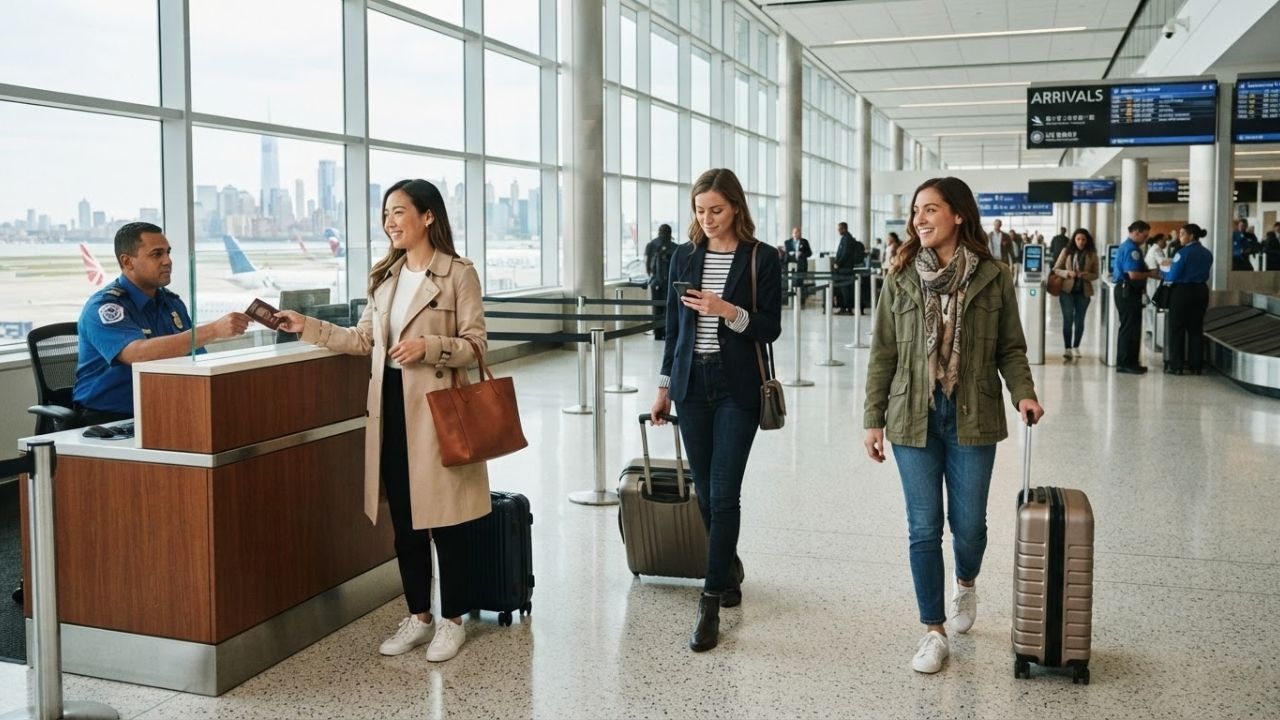
Image generated by AI
The US administration has issued executive orders to increase enforcement against birth tourism operators and clarify citizenship rules under the 14th Amendment.
Immigration compliance policies are shifting the travel rules for expectant mothers visiting the United States. President Donald Trump has issued executive orders aimed at restricting birthright citizenship for specific non-citizen categories and strengthening enforcement against commercial birth tourism operators.
While birthright citizenship (jus soli) is protected by the 14th Amendment of the US Constitution, traveling to the US under an ordinary visitor visa specifically to give birth is not permitted under federal immigration rules. The new directives mandate increased scrutiny by customs officers to verify travelers' declared entry intent.
Birthright and Territory Qualification Parameters
Understanding the legal differences between birth categories and geographic territories is essential for compliance with US federal law. The following table provides births, estimated shares, legal frameworks, and automatic citizenship statuses.
| Citizenship / Birth Category | Annual Births (US Territory) | Estimated Share of Total Births | Applicable Legal Framework | Automatic Citizenship Status |
|---|---|---|---|---|
| All US Born Citizens | ~3.7 million births | 100.0% of baseline | 14th Amendment (Jus Soli) | Automatic Citizen |
| Independent Estimate (MPI) | 20,000 – 26,000 births | 0.5% – 0.7% of total | Proposed executive restrictions | Subject to enforcement reviews |
| Mothers with Foreign Addresses | Slightly over 9,500 births | 0.25% of total | CDC birth record database | Automatic Citizen |
| Accredited Foreign Diplomats | Unmeasured minor count | Negligible fraction | Diplomatic Relations Act | Excluded from automatic rights |
| American Samoa Residents | Territory-specific registry | Minor regional fraction | US Federal Statutes | US National (not Citizen) |
Citizenship qualification parameters and birth metrics compiled in coordination with the US Citizenship and Immigration Services (USCIS) and the Migration Policy Institute (MPI).
The Local Trend Revealed
Federal agencies are targeting specialized "maternity hotels" and travel agencies that arrange accommodation, medical services, and visa documentation for childbirth in the United States. Under the updated directives, operators that facilitate birth tourism face increased investigations.
This enforcement focus is reshaping how border inspectors evaluate incoming visitors, particularly those arriving with medical visas or declaring intent for medical tourism. The changes demonstrate a shift toward active regulatory enforcement of visitor visa rules to prevent the commercialization of birthright citizenship.
Cultural and Environmental Value
For the visitor, the real impact is the need to distinguish between planned commercial childbirth and unexpected medical emergencies. Legitimate medical tourism remains permitted under B-2 visas, provided travelers declare their intent, show financial solvency, and book certified medical providers.
To support local economies and community networks, travelers are encouraged to utilize official, fair-wage healthcare institutions and avoid unregistered birth accommodations that bypass local housing regulations. By prioritizing transparent booking and supporting local medical boards, travelers help protect the integrity of the regional healthcare system.
Visitor Insider Tips
To help you navigate these updated immigration policies and travel responsibly:
- Visa Intent Declarations: If traveling for medical care, declare your intent honestly at the border. Bring a letter from your US physician detailing the planned treatment, estimated costs, and proof of payment or financial ability.
- Solvency Documentation: Keep copies of bank statements, travel insurance policies, and return flight bookings handy to present to US Customs and Border Protection (CBP) officers at the port of entry.
- Local Dining in Gateway Hubs: If transiting through Miami, try local specialties like a Cuban sandwich or a cortadito espresso in Little Havana. In Los Angeles, sample street tacos in East LA.
- Under-the-Radar Walks: For quiet walks before long flights, visit Echo Park Lake in Los Angeles or Roosevelt Island's waterfront path in New York.
Tourism Outlook
While births to mothers with foreign addresses represent a small share of annual births—CDC data recorded slightly over 9,500 births to women with foreign addresses in 2024—the political debate continues to influence border enforcement. Canada remains one of the few other developed nations with automatic birthright citizenship, while the UK and Australia utilize modified parent-resident checks.
As the US continues to monitor international arrivals, travel businesses, lodging providers, and healthcare facilities must align with updated federal guidelines to navigate changing visa compliance expectations.
Related Travel Guides
US Inbound Tourism Faces Pressures from Softening Job Market
Alaska Marine Highway System Modernizes Remote Coastal Ferry Routes
Disclaimer
This article is for informational and educational purposes only. It does not constitute legal, financial, or professional advice. While we strive to provide accurate and up-to-date information, travel policies, regulations, and conditions change rapidly. Always verify information with official sources before making travel decisions. Nomad Lawyer makes no representations about the accuracy, reliability, completeness, or suitability of the information provided. Readers should consult qualified professionals for advice specific to their circumstances. The views expressed in this article are those of the author and do not necessarily reflect the views of Nomad Lawyer.