
New Evidence Delays 2026 Washington Trial of Abu Agila Mohammad Mas’ud in Pan Am Flight 103 Case
A U.S. federal judge has postponed the trial of Libyan operative Abu Agila Mohammad Mas’ud after new evidence emerged in the 1988 Lockerbie bombing case.
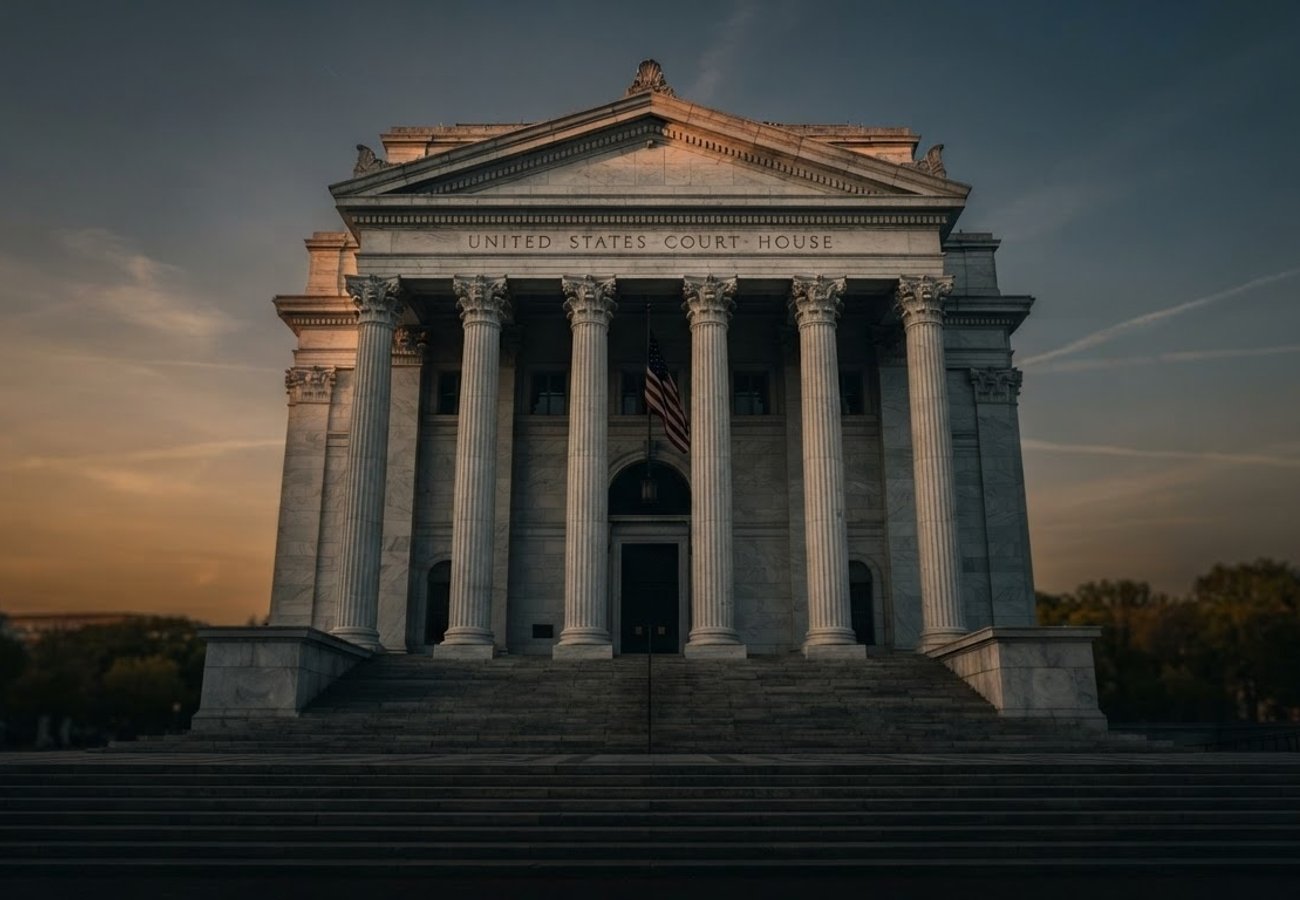
Image generated by AI
A U.S. federal judge has halted the trial of Abu Agila Mohammad Mas’ud just days before jury selection, following the discovery of new evidence in the 1988 Pan Am Flight 103 bombing. The delay extends a decades-long pursuit of justice for the 270 victims of one of the deadliest aviation disasters in history.
The Legal Shift in Washington
The proceedings against Abu Agila Mohammad Mas’ud, a former Libyan intelligence operative, have hit a significant roadblock in federal court in Washington, D.C. The judge’s decision to postpone the trial comes as a result of newly surfaced evidentiary material that defense attorneys must now analyze. This development occurs in a case that has already been defined by its staggering complexity and an international paper trail spanning nearly four decades.
Mas’ud, now in his early seventies, stands accused of constructing the explosive device that destroyed Pan Am Flight 103 on December 21, 1988. The device was allegedly routed through Malta and various European aviation hubs before being loaded onto the aircraft traveling from London to New York.
Cultural and Environmental Value: The Weight of History
For the visitor or legal observer, the real impact of this trial is the intersection of modern forensics and Cold War-era intelligence. The case file is not merely a legal document but a historical archive involving investigators from the United States, Scotland, and other European nations. The evidence involves a fragile chain of custody across Libya, Malta, and the UK, reflecting the geopolitical volatility of the late 20th century.
The disaster killed 259 people on board and 11 on the ground in Lockerbie, Scotland. Because the victims hailed from more than 20 countries, the case serves as a global touchstone for aviation security. The ongoing legal battle highlights the struggle to maintain evidentiary integrity over 38 years, particularly when dealing with statements and physical debris from a pre-digital era.
The pursuit of accountability is supported by regional heritage associations and victim advocacy groups who view this U.S. trial as a necessary supplement to the 2001 Scottish conviction of Abdelbaset al-Megrahi. The persistence of these families, many now in their 70s or 80s, underscores a commitment to transparency that transcends national borders.
Visitor Insider Tips: Navigating Legal Tourism in D.C.
For those traveling to Washington, D.C., to observe high-profile federal proceedings or explore the city's legal history, keep these practical details in mind:
- Remote Access: Due to the age of many victims' families, legislative measures have expanded remote access to these hearings. Check official court portals for virtual viewing options to avoid the crowds of the E. Barrett Prettyman United States Courthouse.
- Court Etiquette: Federal courts maintain strict security. Avoid bringing large bags or prohibited electronics; allow at least 45 minutes for security screening if attending in person.
- Historical Context: To better understand the scale of aviation security shifts, visit the Smithsonian National Air and Space Museum, which provides context on the evolution of transatlantic flight and safety protocols.
- Off-Peak Visiting: If visiting the courthouse area, mid-week mornings (Tuesday through Thursday) are generally less congested than Monday or Friday afternoons.
Tourism and Legal Outlook
The long-term impact of this case extends beyond a single verdict. It tests the limits of the U.S. justice system's ability to prosecute historic terrorism cases. As the court balances "speedy-trial" requirements with the need to authenticate cross-border evidence, the outcome will likely set a precedent for how international aviation crimes are handled in the future.
The reliance on mutual legal assistance channels—where evidence is transmitted between foreign governments—shows a growing, albeit slow, trend toward global judicial cooperation. For the families involved, the trial represents the final chapter in a quest for truth that has outlasted the regimes under which the crimes were allegedly committed.
The scales of justice move slowly, but for the victims of Flight 103, the wait for a final answer continues.
Related Travel Guides
Disclaimer
This article is for informational and educational purposes only. It does not constitute legal, financial, or professional advice. While we strive to provide accurate and up-to-date information, travel policies, regulations, and conditions change rapidly. Always verify information with official sources before making travel decisions. Nomad Lawyer makes no representations about the accuracy, reliability, completeness, or suitability of the information provided. Readers should consult qualified professionals for advice specific to their circumstances. The views expressed in this article are those of the author and do not necessarily reflect the views of Nomad Lawyer.