
Spain Repositioning Cruises 2026: A Low-Cost Transatlantic Alternative to High Airfares
Budget-conscious travelers and digital nomads are leveraging Spanish cruise hubs for repositioning voyages to slash intercontinental travel costs as long-haul flight prices remain high.

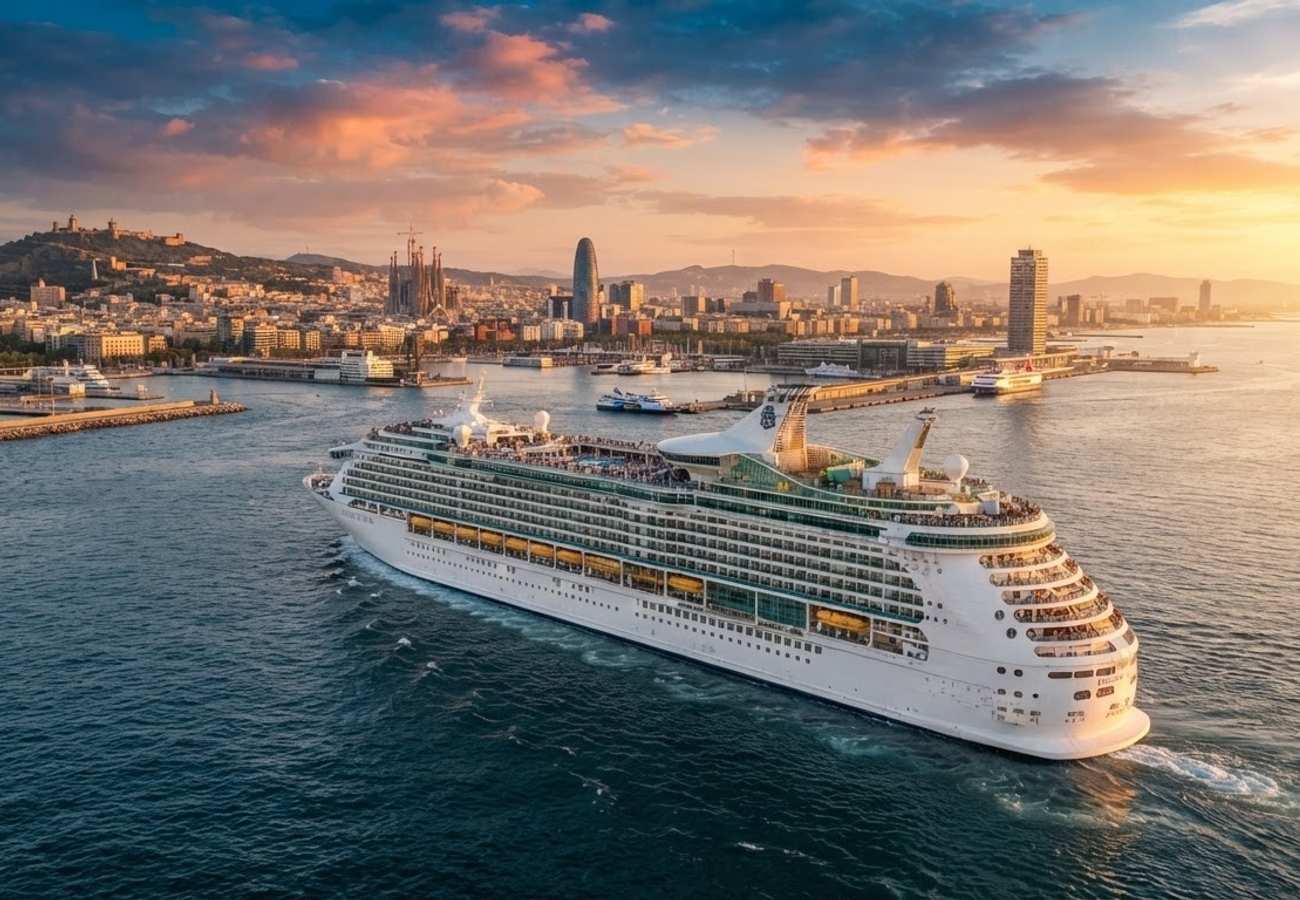
Image generated by AI
High long-haul airfares are driving a surge in "repositioning cruises," allowing travelers to cross the Atlantic for a fraction of traditional costs. Some 2026 voyages from Spain are now priced lower than the combined cost of a flight and two weeks of hotels.
As global aviation prices remain stubbornly elevated, a strategic shift is occurring in how travelers move between Europe and the Americas. Repositioning cruises—one-way voyages used by cruise lines to move ships between seasonal regions—have evolved from operational necessities into a viable budget corridor for intercontinental transit.
These sailings typically occur during the spring (moving from the Caribbean to the Mediterranean) and autumn (returning to the Caribbean). Because the ships must relocate regardless of occupancy, operators often slash prices to fill cabins, creating some of the lowest per-night rates in the cruise industry.
The Economics of Repositioning Voyages
The value proposition of a repositioning cruise lies in the consolidation of transport, lodging, and meals into a single fare. For many 2026 sailings, inside cabins are priced under $100 per person per day, with some promotional rates dropping below $70.
Compared to a standard week-long cruise, these voyages are longer—usually lasting between 12 and 18 nights—but often cost a similar total amount. This makes them an attractive option for those who prioritize cost-per-day over frequent port visits.
Spain as a Strategic Transatlantic Gateway
Spain has positioned itself as a primary beneficiary of this trend. The country's sophisticated port infrastructure makes it a natural staging area for these long-haul crossings.
The Port of Barcelona serves as a critical hub, reporting nearly 4 million cruise passengers in the most recent full year. This represents a nearly 10% increase over the previous year and exceeds pre-pandemic levels by more than 25%. Beyond Barcelona, ports in Valencia and Málaga are increasingly integrated into these seasonal flows.
Most repositioning routes from Spain follow a specific geographic trajectory:
- Departure: Spanish hubs (Barcelona, Valencia, Málaga).
- Intermediate Stops: The Canary Islands, Madeira, or the Azores.
- Arrival: Caribbean ports or the U.S. East Coast.
This infrastructure supports a massive economic engine; cruising contributes over 6 billion euros annually to the Spanish economy, supporting thousands of jobs in ship services, hospitality, and shore excursions.
Comparative Pricing for 2026 Routes
The pricing gap between traditional travel and repositioning cruises is stark. Data for late 2026 shows that a two-week crossing can be significantly cheaper than economy airfare combined with mid-range accommodation.
| Route | Vessel | Duration | Starting Price (Per Person) |
|---|---|---|---|
| Barcelona to Miami (Oct 2026) | MSC Grandiosa | 13 Nights | Under $500 |
| Various Transatlantic Routes | Multiple | ~14 Nights | $600 – $800 |
Trade-offs and the Digital Nomad Shift
While the financial savings are clear, repositioning cruises require a different travel mindset. These itineraries are characterized by a high volume of sea days and very few port calls. Travelers must also account for the cost of a one-way flight to return home or reach their final destination, which can offset some savings if not planned in advance.
However, this "slow travel" model is increasingly appealing to location-independent professionals. The rollout of high-speed satellite internet across major fleets has transformed these voyages into floating offices. Digital nomads are now using these 14-to-15-night crossings to relocate between continents without interrupting their work schedules.
From Operational Necessity to Mainstream Product
What was once a hidden category on booking engines is now a marketed experience. Dedicated aggregation sites now allow travelers to filter specifically for "repo" cruises by nightly price and route.
By timing these voyages with shoulder-season hotel pricing in April, May, October, and November, travelers are creating multi-stop itineraries that blend low-cost sea transit with affordable overland exploration in both Europe and North America.
A strategic pivot from air to sea is turning the Atlantic crossing back into a budget-friendly journey.
Related Travel Guides
Disclaimer
This article is for informational and educational purposes only. It does not constitute legal, financial, or professional advice. While we strive to provide accurate and up-to-date information, travel policies, regulations, and conditions change rapidly. Always verify information with official sources before making travel decisions. Nomad Lawyer makes no representations about the accuracy, reliability, completeness, or suitability of the information provided. Readers should consult qualified professionals for advice specific to their circumstances. The views expressed in this article are those of the author and do not necessarily reflect the views of Nomad Lawyer.
Raushan Kumar
Founder & Lead Developer
Full-stack developer with 11+ years of experience and a passionate traveller. Raushan built Nomad Lawyer from the ground up with a vision to create the best travel and law experience on the web.
Learn more about our team →