
Netherlands Rail Network Faces 24-Hour Shutdown
A nationwide 24-hour rail strike on 9 September will suspend nearly all domestic and international services across the Netherlands. Only a limited AirportSpri

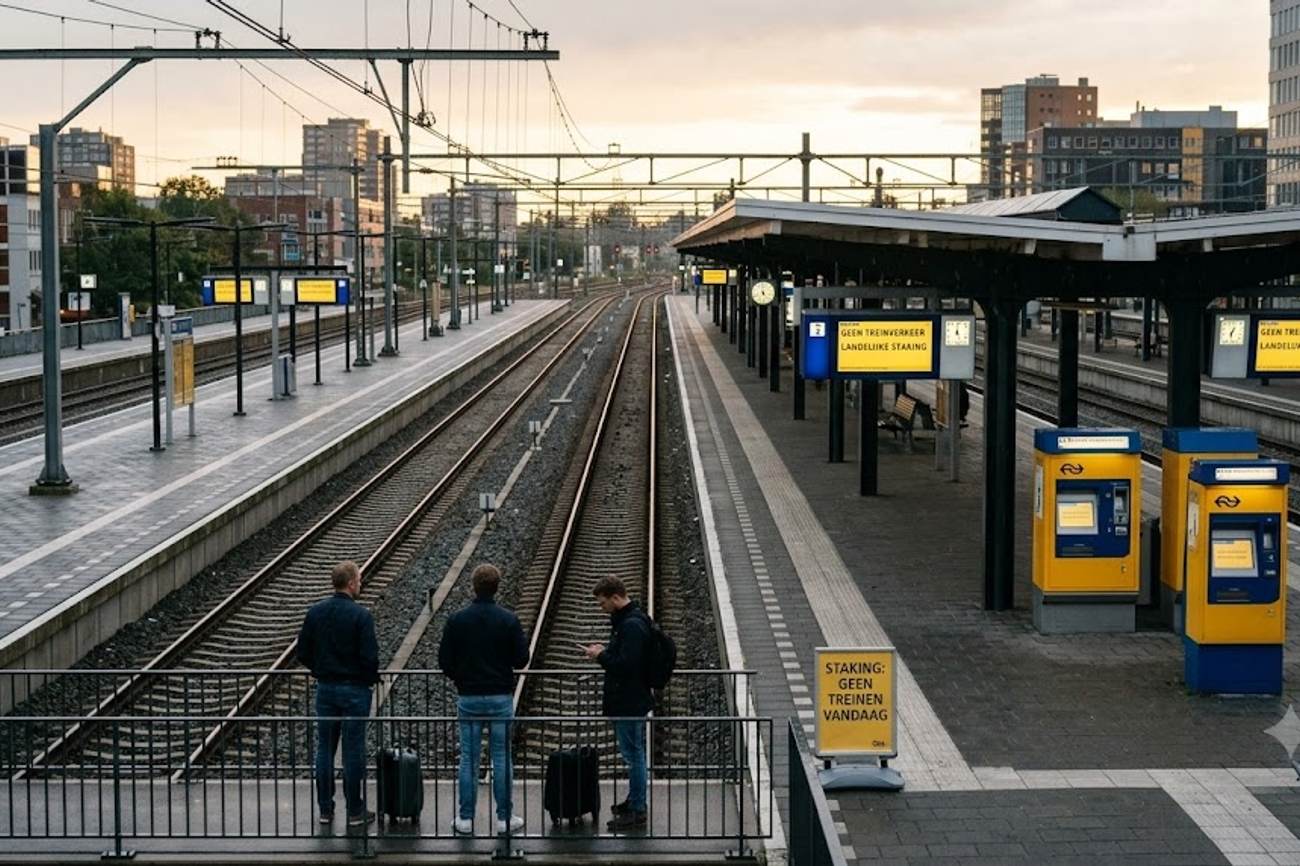
Image generated by AI
The Local Trend Revealed
The Netherlands is facing a significant logistical standstill as railway and public transport workers initiate a full-scale strike on Wednesday, 9 September. This industrial action is a direct response to proposed government spending cuts targeting social security, specifically affecting unemployment support and financial aid for those with health-related work limitations.
The scale of this shutdown is among the most severe of 2026. While the Dutch railway operator NS has confirmed that a full timetable is impossible, the ripple effect extends far beyond local commuters. The Netherlands serves as a primary transit hub for Western Europe; consequently, the strike effectively severs key international arteries. Major services including Eurostar, ICE, Nightjet, and EuroCity are suspended. Additionally, critical cross-border regional links, such as the Roosendaal-Antwerp route and the Liège–Aachen corridor, will be inactive.
The only reprieve is the AirportSprinter, which will maintain a skeletal service between Amsterdam Centraal, Schiphol Airport, and Hoofddorp, running approximately four trains per hour.
Cultural & Environmental Value
For the traveler, this disruption highlights the deep integration of social welfare and public infrastructure in Dutch society. The strike is not merely a labor dispute but a public statement on the "social safety net" that defines the region's cultural approach to community care.
When the rails go silent, the impact shifts to the road networks and local transit. This provides a unique, albeit stressful, opportunity to engage with the Netherlands' secondary transport strengths. Moving away from the high-speed rail corridors allows visitors to experience the regional economy through local bike rentals and smaller-scale bus networks, which often support village-level commerce that larger rail hubs bypass.
Visitor Insider Tips
Navigating a total rail shutdown requires a shift in strategy. To avoid the chaos of 9 September, consider these local alternatives:
- The Bike Pivot: The Netherlands is the world capital of cycling. If you are staying in Amsterdam, Utrecht, or Rotterdam, rent a bike for the day. Use apps like Google Maps or Fietsersbond guides to find the most scenic, car-free paths between city centers.
- Bus & Tram Alternatives: While some public transport is affected, local city trams and regional buses often operate on modified schedules. Check the 9292 app (the gold standard for Dutch transit) for real-time updates on non-rail alternatives.
- Schiphol Strategy: If you are catching a flight, the AirportSprinter is your only rail option. However, expect heavy crowding. Book a registered taxi or rideshare well in advance, as demand will spike 400% above normal levels.
- Dining Off-Peak: With commuters stuck, many city-center cafes may be quieter than usual. Use this as a chance to visit "Brown Cafes" (traditional Dutch pubs) in residential neighborhoods rather than the tourist-heavy centers.
Tourism Outlook
The network is expected to stabilize on Thursday, 10 September, though early morning delays are likely as staff and rolling stock return to their positions. Long-term, these disruptions underscore the vulnerability of the European "hub-and-spoke" rail model. For the tourism sector, this event emphasizes the need for diversified transport planning. The ability of the Netherlands to recover quickly from such shutdowns is a testament to its infrastructure resilience, but it serves as a reminder for international travelers to always have a "Plan B" when relying on the European rail grid.
Related Travel Guides
Disclaimer
This article is for informational and educational purposes only. It does not constitute legal, financial, or professional advice. While we strive to provide accurate and up-to-date information, travel policies, regulations, and conditions change rapidly. Always verify information with official sources before making travel decisions. Nomad Lawyer makes no representations about the accuracy, reliability, completeness, or suitability of the information provided. Readers should consult qualified professionals for advice specific to their circumstances. The views expressed in this article are those of the author and do not necessarily reflect the views of Nomad Lawyer.
Raushan Kumar
Founder & Lead Developer
Full-stack developer with 11+ years of experience and a passionate traveller. Raushan built Nomad Lawyer from the ground up with a vision to create the best travel and law experience on the web.
Learn more about our team →