
European Commission Introduces Guidelines for Sustainable Tourism in Europe, Unlocking Hidden Wildlife Sanctuaries for Global Travelers: New Travel Alert
The European Commission releases new guidance for Natura 2000 sites, promoting eco-friendly activities and low-impact nature travel across the EU.

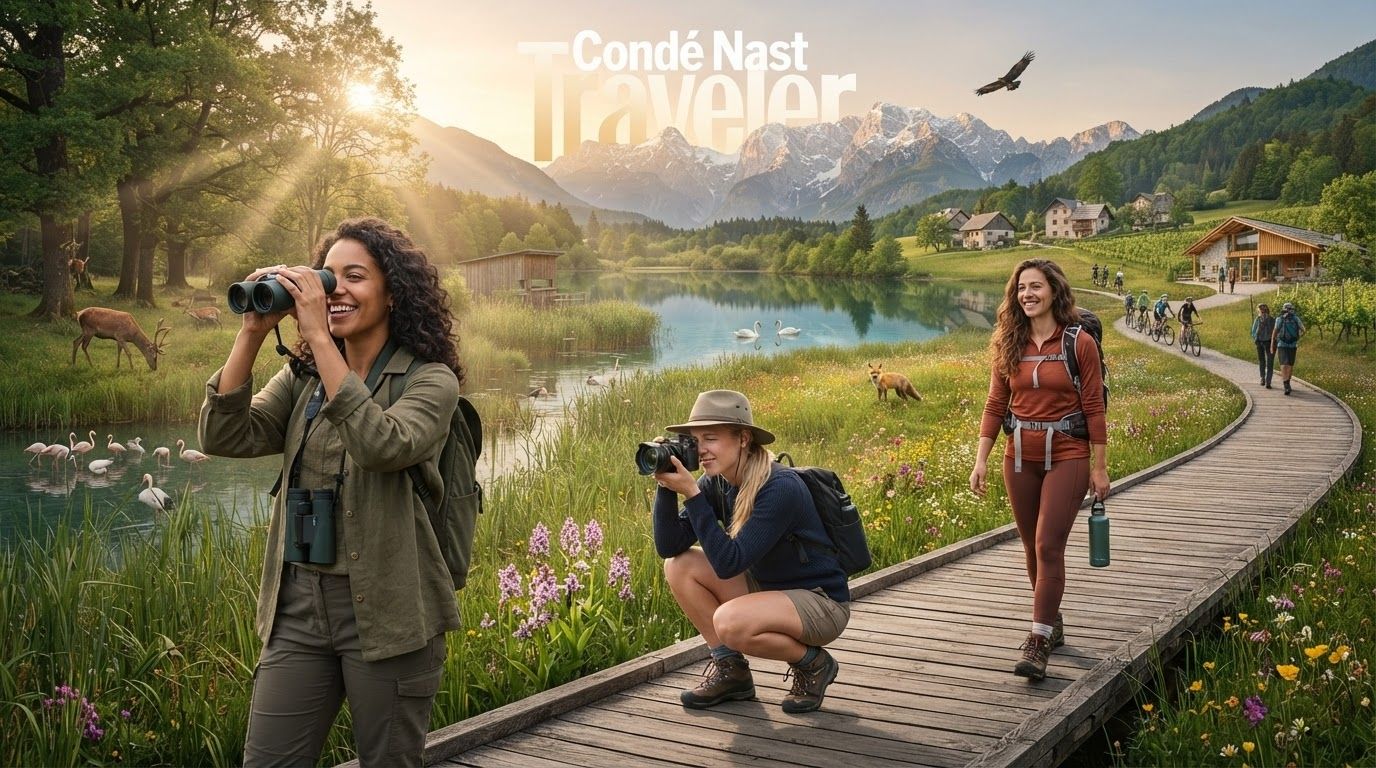
Image generated by AI
Published on July 15, 2026
The European Commission has introduced a new framework to encourage sustainable tourism in Europe, releasing detailed operational guidelines for the extensive Natura 2000 network of protected habitats. This initiative aims to help site managers welcome nature-focused tourists while protecting the rich biodiversity and unique wildlife across EU Member States. By offering low-impact alternatives to traditional mass tourism, the new framework provides global travelers with fresh opportunities to explore hidden wilderness areas responsibly.
Quick Summary
- New Eco-Framework: The European Commission has published official guidelines to coordinate and expand sustainable tourism in Europe across protected zones.
- Preserving Ecosystems: The initiative focuses on managing visitor flows in vulnerable habitats, including forests, wetlands, and coastal cliffs.
- Low-Impact Recreation: Approved tourist activities include hiking, cycling, birdwatching, kayaking, and guided educational walks.
- Community Development: Guidelines encourage partnerships with local guesthouses, regional restaurants, and traditional artisans.
- Conservation First: Protecting native wildlife species and their habitats remains the absolute priority under the Birds and Habitats Directives.
Context and Background: The Shift Toward Ecological Travel
In recent years, the international travel market has seen a significant shift in traveler preferences, with more people moving away from crowded urban centers and crowded beaches. Travelers are increasingly seeking quiet, open spaces where they can connect with nature, enjoy clean air, and learn about local conservation efforts.
To support this shifting travel mindset, the European Commission is focusing on the tourist potential of protected lands. Rather than promoting high-volume tourism, the newly released guidelines encourage carefully planned, low-impact travel. This approach helps protect natural resources for future generations while supporting local communities that depend on regional travel revenue.
Event and Incident Details: The European Commission's Sustainable Tourism in Europe Guidelines
The official launch of the new guidelines on July 14, 2026, provides site managers across the European Union with a structured toolkit to develop responsible travel programs. The framework is designed to help local coordinators calculate environmental limits, manage visitor numbers, and install suitable infrastructure that does not disrupt regional ecosystems.
The guidance is tailored for the Natura 2000 network, which is the largest coordinated network of protected areas in the world. By directing travelers to these lesser-known regions, the program aims to reduce overcrowding in major cities while directing economic benefits to rural communities:
| Protected Habitat Type | Approved Low-Impact Activities | Economic & Community Opportunities |
|---|---|---|
| Forests & Mountains | Hiking, cycling, photography, educational trails | Family-owned lodges, local mountain guides |
| Wetlands & Rivers | Kayaking, birdwatching, guided boat tours | Traditional restaurants, local fish markets |
| Coasts & Islands | Coastal walks, marine observation, swimming | Artisan workshops, regional crafts shops |
Risk and Impact: Protecting Sensitive Habitats and Managing Foot Traffic
While opening these beautiful areas to the public offers new opportunities, it also presents significant environmental risks if travel is not managed correctly:
- Habitat Fragmentation: Increased human presence on unauthorized paths can damage sensitive vegetation, causing soil erosion and disrupting plant life.
- Wildlife Disturbance: Unregulated recreational activities, excessive noise, and off-path exploration can disturb native birds and mammals, affecting their breeding patterns.
- Pollution and Waste: The introduction of tourist traffic to remote locations brings risks of litter, plastic waste, and water pollution in delicate watersheds.
- Overcrowding Pressures: If visitor numbers exceed the carrying capacity of a site, the quality of both the environment and the visitor experience can decline rapidly.
What Authorities Are Saying: Balancing Conservation and Hospitality
Environmental regulators stress that the primary objective of the Natura 2000 network remains nature conservation. According to representatives from the European Commission, any travel development must be carefully planned and monitored to ensure it aligns with the strict requirements of the Birds Directive and the Habitats Directive.
Site managers are encouraged to establish clear rules regarding visitor behavior, enforce seasonal closures during breeding periods, and monitor the health of local ecosystems. Officials emphasize that successful tourism development depends on a deep understanding of each site's environmental limits.
Practical Traveler Advice: Responsible Visitor Conduct in Protected Zones
For travelers planning to explore Europe's hidden natural landscapes, conservationists recommend following these practical steps:
- Stay on Marked Trails: Avoid walking or cycling off designated paths to protect fragile plants and nesting sites.
- Observe Wildlife Safely: Keep a respectful distance from wild animals, use binoculars for close views, and avoid making loud noises that could frighten wildlife.
- Minimize Waste: Carry reusable water bottles, avoid single-use plastics, and ensure you pack out all trash when leaving a site.
- Support Local Businesses: Choose locally owned guesthouses, hire regional guides, and purchase crafts from local artisans to help support the community.
- Respect Local Guidelines: Familiarize yourself with specific regional regulations regarding camping, campfires, and water sports before arriving.
Broader Context: The Scale and Reach of the Natura 2000 Network
The Natura 2000 network spans all EU Member States, covering thousands of land and marine sites. It represents a major collective achievement in environmental preservation, protecting the continent's most valuable and threatened species.
Unlike national parks, which often exclude human activity, Natura 2000 sites focus on sustainable coexistence between humans and nature. Much of the land in the network remains privately owned, making partnerships between landowners, local businesses, and conservationists essential to the network's success.
What to Expect Next: The Integration of Sustainable Tourism in Europe
As tourism boards begin implementing these new guidelines, travelers can expect to see an increase in curated eco-tours, guided nature walks, and environmental education centers. Local authorities will monitor visitor numbers and environmental indicators to determine if additional restrictions are needed during peak seasons.
Over the long term, this initiative could serve as a template for other countries looking to balance tourism growth with environmental protection. By focusing on quality of experience over quantity of visitors, destinations can protect their natural heritage while building sustainable economic opportunities.
Conclusion: Emphasizing Environmental Stewardship
The European Commission's new guidelines for the Natura 2000 network mark a significant step forward for the travel industry. By providing a clear roadmap for sustainable tourism in Europe, the framework allows global travelers to experience the continent's stunning natural beauty responsibly. By following simple safety and conservation guidelines, visitors can help protect these unique landscapes, ensuring they remain healthy and vibrant for generations to come.
FAQ: Natura 2000 & Sustainable Tourism in Europe
What is the Natura 2000 network?
Natura 2000 is the European Union's network of protected natural areas, established under the Birds Directive and the Habitats Directive to conserve Europe's most valuable wildlife species and habitats.
How does the new framework support local communities?
The guidelines encourage tourists to stay in family-owned guesthouses, hire local guides, eat at regional restaurants, and purchase from local artisans, ensuring that tourism revenue directly benefits the community.
What recreational activities are allowed on Natura 2000 sites?
Approved low-impact activities include hiking, cycling, birdwatching, wildlife photography, kayaking, and guided educational walks, provided they do not disrupt local conservation goals.
Why is conservation prioritized over tourism in these areas?
The primary goal of the Natura 2000 network is to protect biodiversity. All tourism activities must be carefully managed to ensure they do not damage sensitive habitats or disturb protected species.
Related Travel Guides
10 Best Hidden Hikes in Europe, According To Reddit
Disclaimer
This article is for informational and educational purposes only. It does not constitute legal, financial, or professional advice. While we strive to provide accurate and up-to-date information, travel policies, regulations, and conditions change rapidly. Always verify information with official sources before making travel decisions. Nomad Lawyer makes no representations about the accuracy, reliability, completeness, or suitability of the information provided. Readers should consult qualified professionals for advice specific to their circumstances. The views expressed in this article are those of the author and do not necessarily reflect the views of Nomad Lawyer.
Kunal K Choudhary
Co-Founder & Contributor
A passionate traveller and tech enthusiast. Kunal contributes to the vision and growth of Nomad Lawyer, bringing fresh perspectives and driving the community forward.
Learn more about our team →