
Montenegro Implements New Visa Rules for Russia, Turkey, and China: EU Alignment and Travel Guide 2026

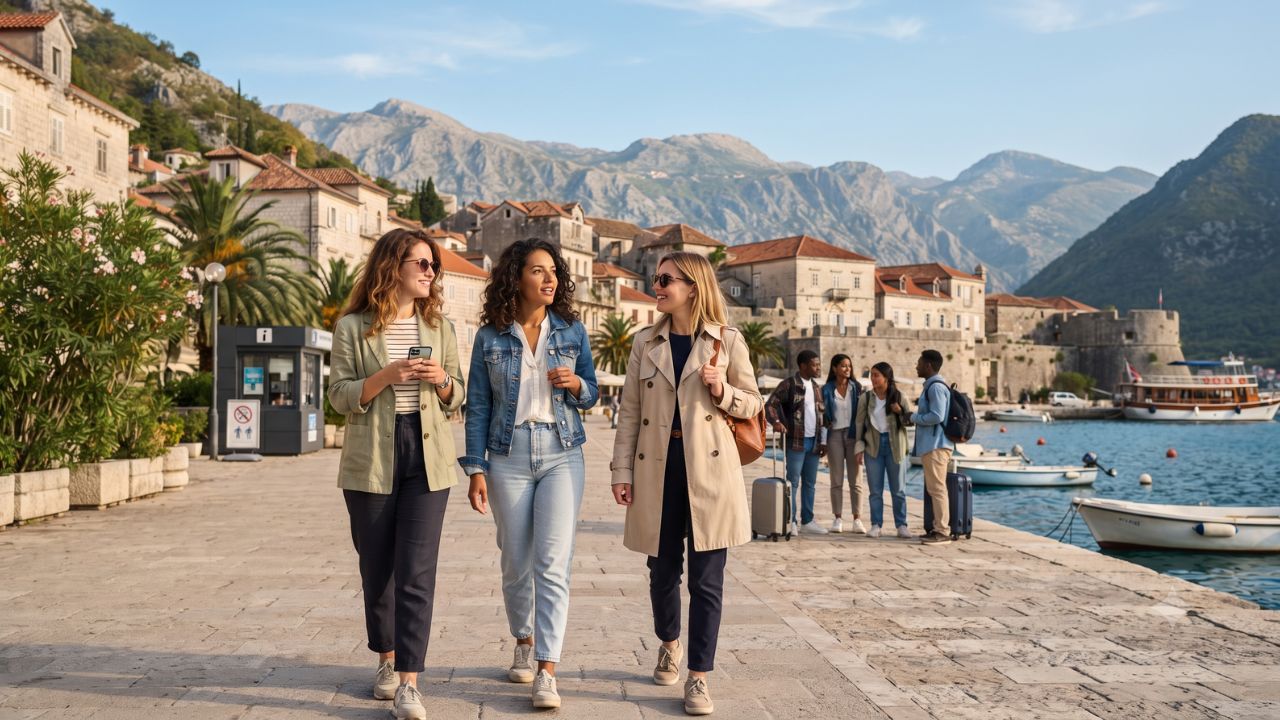
Foreign nationals from Russia and Turkey accounted for over 20.7% of all international overnight stays and more than a quarter of private holiday rentals in Montenegro throughout 2025, but that open-door access is coming to an abrupt end. Starting November 1, 2026, the Adriatic nation will officially terminate its long-standing 30-day visa-free entry policy for ordinary passport holders from Russia, Turkey, Belarus, China, and Saudi Arabia as part of mandatory harmonization with European Union border standards.
The visa reform marks one of the most consequential immigration pivots in modern Balkan travel history. As Montenegro accelerates negotiations for full European Union membership, aligning its border regime with EU Chapter 24 requirements has unlocked approximately €4 million through the EU Growth Plan for the Western Balkans. While existing foreign residents and holders of major international visas retain entry exemptions, the new framework fundamentally reshapes how tourists, digital nomads, property investors, and seasonal hospitality workers access coastal hubs like Budva, Kotor, Tivat, and Herceg Novi.
EU Harmonization Shifts Adriatic Border Policies
For over a decade, Montenegro operated one of the most accessible travel regimes in Southern Europe, offering visa-free short stays to citizens of non-EU nations who faced strict entry barriers elsewhere on the continent. This policy fostered thriving expatriate hubs along the Bay of Kotor and the Budva Riviera. However, the requirement to integrate into the EU common visa policy has necessitated a strict regulatory recalibration.
Under the updated decree issued through the Government of Montenegro, ordinary passport holders from Russia, Belarus, and Turkey will continue to enjoy 30-day visa-free entry only until October 31, 2026. Beginning November 1, 2026, travelers from these nations—alongside visitors from China and Saudi Arabia—must secure a formal Montenegrin visa through consular missions before arrival.
Crucially, the regulation establishes key exemptions to maintain travel connectivity:
- Multilateral Visa Waiver: Foreign nationals holding a valid multiple-entry Schengen visa, United States visa, United Kingdom visa, or Irish visa can continue to enter and stay in Montenegro visa-free for up to 30 days.
- Resident Status Safeguards: Over 34,000 legal residents already established in the country—including 20,793 Russian citizens and 13,506 Turkish residents who collectively constitute roughly 5.5% of Montenegro’s total 624,000 population—remain fully protected under their existing temporary or permanent residence permits.
- Labor Permit Continuity: The reform establishes transitional verification pathways for the 10,346 Turkish nationals and 7,429 Russian citizens who received official temporary residence and work permits during 2025 across construction, maritime, and hospitality sectors.
What Makes Montenegro’s Coastal and Mountain Corridors Distinct
Despite shifting entry protocols, Montenegro’s natural and architectural majesty remains among the most concentrated in the Mediterranean basin. Within a two-hour drive, travelers transition from fjord-like sea basins to glaciated limestone peaks:
The centerpiece of cultural tourism is the Natural and Culturo-Historical Region of Kotor, designated as a World Heritage site by the UNESCO World Heritage Centre. The submerged river canyon of Boka Kotorska features fortified medieval settlements, Venetian stone palaces, and cliff-clinging chapels such as Our Lady of the Rocks (Gospa od Škrpjela) near Perast.
Further south, the Budva Riviera and the port town of Bar showcase centuries of Illyrian, Venetian, and Ottoman interactions. Meanwhile, luxury nautical developments in Tivat, anchored by Porto Montenegro, have transformed the coastline into a world-class superyacht destination.
Inland, the dramatic limestone massifs of Durmitor National Park and the turquoise waters of the Tara River Canyon—the deepest gorge in Europe—offer whitewater rafting, alpine trekking, and mountain homestays promoted by the National Tourism Organisation of Montenegro.
Visitor Insider Tips
Navigating Montenegro’s evolving travel requirements and regional transport networks requires practical insider knowledge:
- Check Multilateral Visa Validity: If you hold a passport affected by the November 2026 rules, ensure your Schengen, US, UK, or Irish visa is valid for multiple entries and covers the entire duration of your stay in Montenegro.
- Mandatory Tourist Registration (Boravišna Taksa): All foreign visitors must be registered with the local municipal tourist organization (Turistička Organizacija) within 24 hours of arrival. If staying in a private apartment or villa, confirm that your host submits this registration to obtain the electronic confirmation slip required at border control upon departure.
- Optimal Travel Windows: Visit during the shoulder months of May, June, or September. Daytime temperatures average 24°C to 28°C, sea waters are ideal for swimming, and scenic mountain roads around Lovćen and Durmitor remain clear of peak summer tour buses.
- Local Culinary Traditions: Sample coastal Adriatic specialties such as black cuttlefish risotto (crni rižot) and fresh sea bass, paired with indigenous Montenegrin red wines made from the Vranac grape variety grown around Lake Skadar.
- Airport Selection Tactics: While Tivat Airport provides immediate access to the coast, flights are highly seasonal. Podgorica Airport (the capital) operates year-round international flights, with rental cars and express buses connecting to the coast in just over an hour via the Sozina Tunnel.
Cultural and Environmental Context
The influx of foreign residents, international yachting tourism, and rapid real estate development has placed intense pressure on Montenegro's coastal ecosystems. Fragile marine zones in the Bay of Kotor face elevated risks from cruise ship traffic, wastewater runoff, and coastal construction.
In response, national environmental authorities and municipal councils are channeling EU alignment funds into ecological remediation and sustainable destination management. Stricter building moratoriums in historic UNESCO buffer zones, combined with reforestation initiatives in the Lovćen mountains, seek to preserve the country's ancient stone villages. By transitioning toward higher-value, regulated eco-tourism, Montenegro aims to balance international economic integration with the long-term preservation of its unique Adriatic heritage.
FAQ: Montenegro Visa Reform and Travel 2026
When do the new visa rules take effect in Montenegro?
The updated visa requirements for citizens of Russia, Turkey, Belarus, China, and Saudi Arabia enter into legal force on November 1, 2026.
Can I still enter Montenegro with a Schengen visa?
Yes, travelers holding a valid multiple-entry Schengen, UK, US, or Irish visa can enter Montenegro visa-free for stays of up to 30 days.
Are foreign residents living in Montenegro required to get a tourist visa?
No. Foreign nationals holding valid Montenegrin temporary or permanent residence permits are exempt from the tourist visa requirements.
What currency is used in Montenegro?
Montenegro officially uses the Euro (EUR) as its currency, although the country is not yet a formal member of the European Union or Eurozone.
As Montenegro aligns its borders with European horizons, the timeless stone fortresses of the Adriatic continue to welcome travelers who value heritage, nature, and cultural discovery.
Related Travel Guides
Disclaimer
This article is for informational and educational purposes only. It does not constitute legal, financial, or professional advice. While we strive to provide accurate and up-to-date information, travel policies, regulations, and conditions change rapidly. Always verify information with official sources before making travel decisions. Nomad Lawyer makes no representations about the accuracy, reliability, completeness, or suitability of the information provided. Readers should consult qualified professionals for advice specific to their circumstances. The views expressed in this article are those of the author and do not necessarily reflect the views of Nomad Lawyer.
Preeti Gunjan
Contributor & Community Manager
A passionate traveller and community builder. Preeti helps grow the Nomad Lawyer community, fostering engagement and bringing the reader experience to life.
Learn more about our team →