
Milan Fringe Festival 2026: How Neighbourhood Theatre and Local Food are Redefining Italian Tourism
Milan is shifting from high-fashion monuments to neighbourhood-based cultural tourism, led by the Fringe movement and hyper-local culinary experiences in 2026.

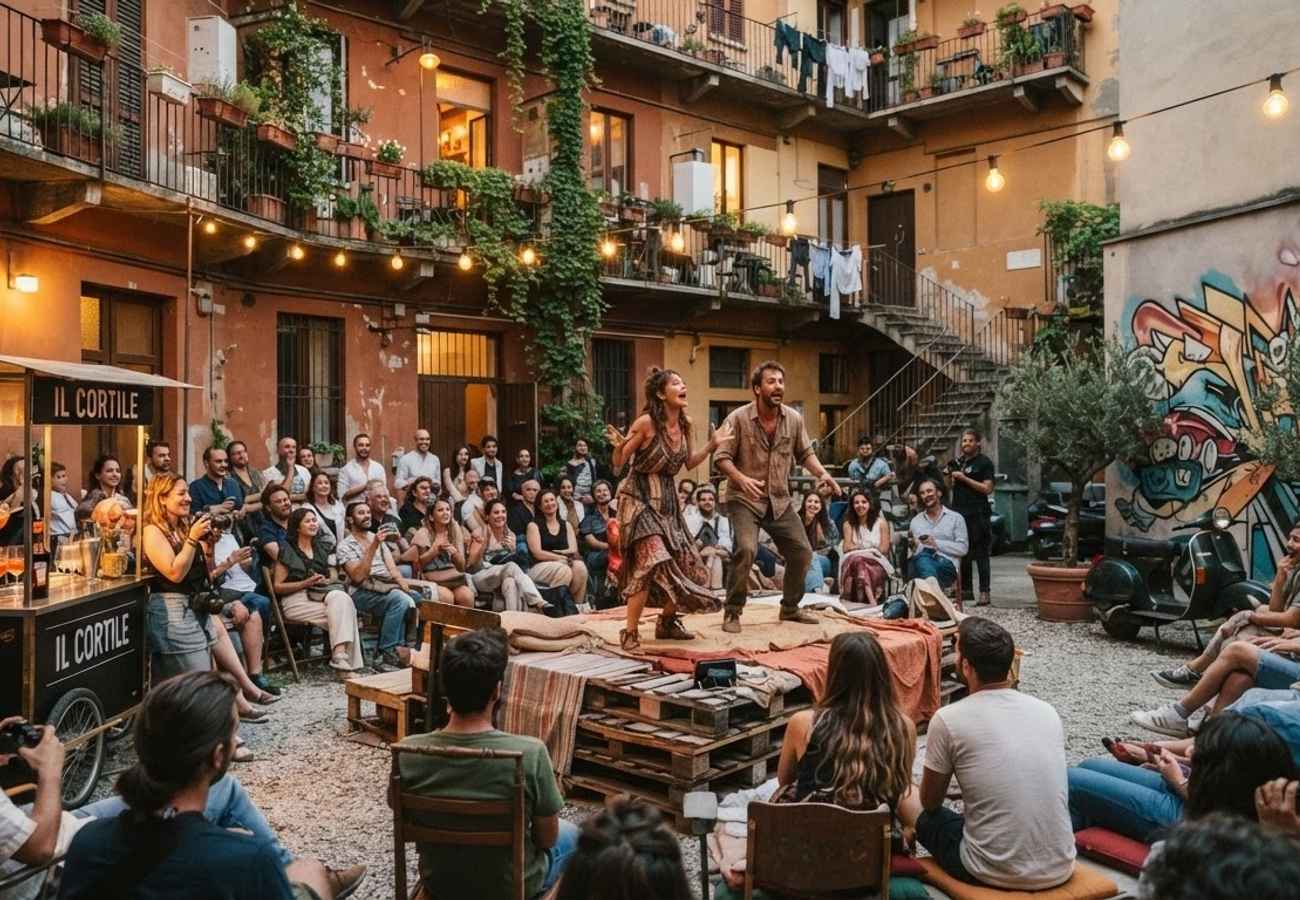
Image generated by AI
Milan is pivoting away from the predictable luxury of the Duomo toward a decentralized cultural model. In 2026, the city's tourism is being driven by "Fringe" experiences—independent theatre and community-led arts that turn residential districts into open-air stages.
The Shift Toward Hyper-Localism
For decades, the international narrative of Milan has been dominated by the "Quadrilatero della Moda" and architectural landmarks. However, a distinct trend is emerging: the rise of neighbourhood-based cultural tourism. This movement prioritizes independent performance festivals, creative hubs, and community venues over traditional sightseeing.
The Fringe format is the catalyst for this change. By stripping away the walls of conventional theatres, the FringeMI model integrates comedy, music, and performance art into the actual fabric of the city. For the visitor, the real impact is a transition from being a passive observer of monuments to an active participant in urban life.
| Traditional City Break | Fringe-Style Milan Experience |
|---|---|
| Major monuments | Local neighbourhoods |
| Conventional theatres | Alternative performance spaces |
| Sightseeing-focused | Culture and interaction-focused |
| Famous central districts | Emerging and residential areas |
| Scheduled attractions | Live community experiences |
Cultural Anchors: From NoLo to Navigli
The decentralization of Milan’s appeal is most evident in districts like NoLo (North of Loreto). Recognized by YesMilano as a multicultural creative hub, NoLo blends street art and independent cafés with Fringe performances, making the neighbourhood itself the attraction.
Other districts are following suit. Isola, Città Studi, and Martesana have become essential nodes in a wider network of community initiatives. This shift encourages a more sustainable distribution of tourist foot traffic, relieving pressure on the historic center and injecting capital directly into residential economies.
Culinary Integration and Lombardy Heritage
Food in Milan is no longer just a meal between museum visits; it is a core component of the cultural itinerary. The Navigli district, with its iconic canals, serves as the primary intersection where traditional Milanese cuisine meets modern fine dining.
To experience the authentic taste of Lombardy, visitors are moving toward neighbourhood trattorias to find regional staples:
- Risotto alla Milanese: The iconic saffron-infused rice.
- Cotoletta alla Milanese: Breaded veal cutlet.
- Ossobuco: Braised veal shanks.
- Panettone: The world-famous festive sweet bread.
- Cassoeula: A hearty winter stew of pork and cabbage.
2026 Cultural Calendar and Accessibility
To combat the rising costs of urban travel, Milan has integrated a mix of premium and free programming into its 2026 schedule. The municipality has ensured that high-culture remains accessible to all budgets.
Key 2026 Events:
- Sforza Castle Summer Programme: 70 events spanning music, dance, and cinema, with several free entries and reduced-price tickets.
- Piano City Milano (May 2026): Over 250 concerts across 140+ locations, utilizing parks and museums.
- Le Civiche FEST (July 1–17): A blend of multimedia installations and theatre organized through civic schools.
- Milan in Commedia: 17 free events across eight neighbourhoods in Municipio 7, focusing on squares and community gardens.
Expanding the Horizon: The Milan-Catania Connection
The Fringe movement is now scaling beyond a single city. The Fringe Italia Off programme is linking the industrial north with the Mediterranean south. In 2026, the festival will run in Milan from October 1–11, followed by a stint in Catania, Sicily, from October 15–25. This creates a unique cultural bridge, allowing travellers to contrast Milan's fast-paced contemporary energy with Catania's deep Sicilian heritage and architecture.
Visitor Insider Tips
To truly navigate the Fringe scene and avoid the "tourist traps," keep these local insights in mind:
- The "Aperitivo" Strategy: In Navigli, avoid the main canal-front spots for your first drink. Venture two blocks inland to find smaller, family-run bars where the aperitivo (drinks with complimentary snacks) is more authentic and less expensive.
- NoLo Exploration: Visit NoLo on weekend afternoons. This is when the local creative markets are most active, and you are more likely to stumble upon unannounced pop-up performances.
- Transport Hack: While the Metro is efficient, the Fringe experience is best discovered via the city's bike-sharing schemes. Many performance venues in Municipio 7 are tucked away in residential gardens that are difficult to reach by train.
- Etiquette: When attending performances in community spaces or "civic schools," remember that these are active living areas. Keep noise levels low when entering and exiting residential zones.
Tourism Outlook
The long-term trajectory for Milan is a move toward "Slow Tourism." By leveraging Fringe theatre and neighbourhood identity, the city is evolving from a 48-hour shopping stop into a multi-day immersive destination. This model not only supports emerging artists but ensures that the economic benefits of tourism reach the local shopkeepers and residents of the periphery, creating a more resilient and authentic urban ecosystem.
Milan is no longer just a runway; it is a stage.
Related Travel Guides
Disclaimer
This article is for informational and educational purposes only. It does not constitute legal, financial, or professional advice. While we strive to provide accurate and up-to-date information, travel policies, regulations, and conditions change rapidly. Always verify information with official sources before making travel decisions. Nomad Lawyer makes no representations about the accuracy, reliability, completeness, or suitability of the information provided. Readers should consult qualified professionals for advice specific to their circumstances. The views expressed in this article are those of the author and do not necessarily reflect the views of Nomad Lawyer.
Kunal K Choudhary
Co-Founder & Contributor
A passionate traveller and tech enthusiast. Kunal contributes to the vision and growth of Nomad Lawyer, bringing fresh perspectives and driving the community forward.
Learn more about our team →