
Middle East Tourism Alliance 2026: Qatar, Saudi Arabia, and UAE Launch Massive Post-Ceasefire Growth Initiatives
Qatar, Saudi Arabia, UAE, Kuwait, Bahrain, Iraq, and Turkey have formed a historic tourism alliance to accelerate regional growth with massive stimulus packages following a ceasefire.

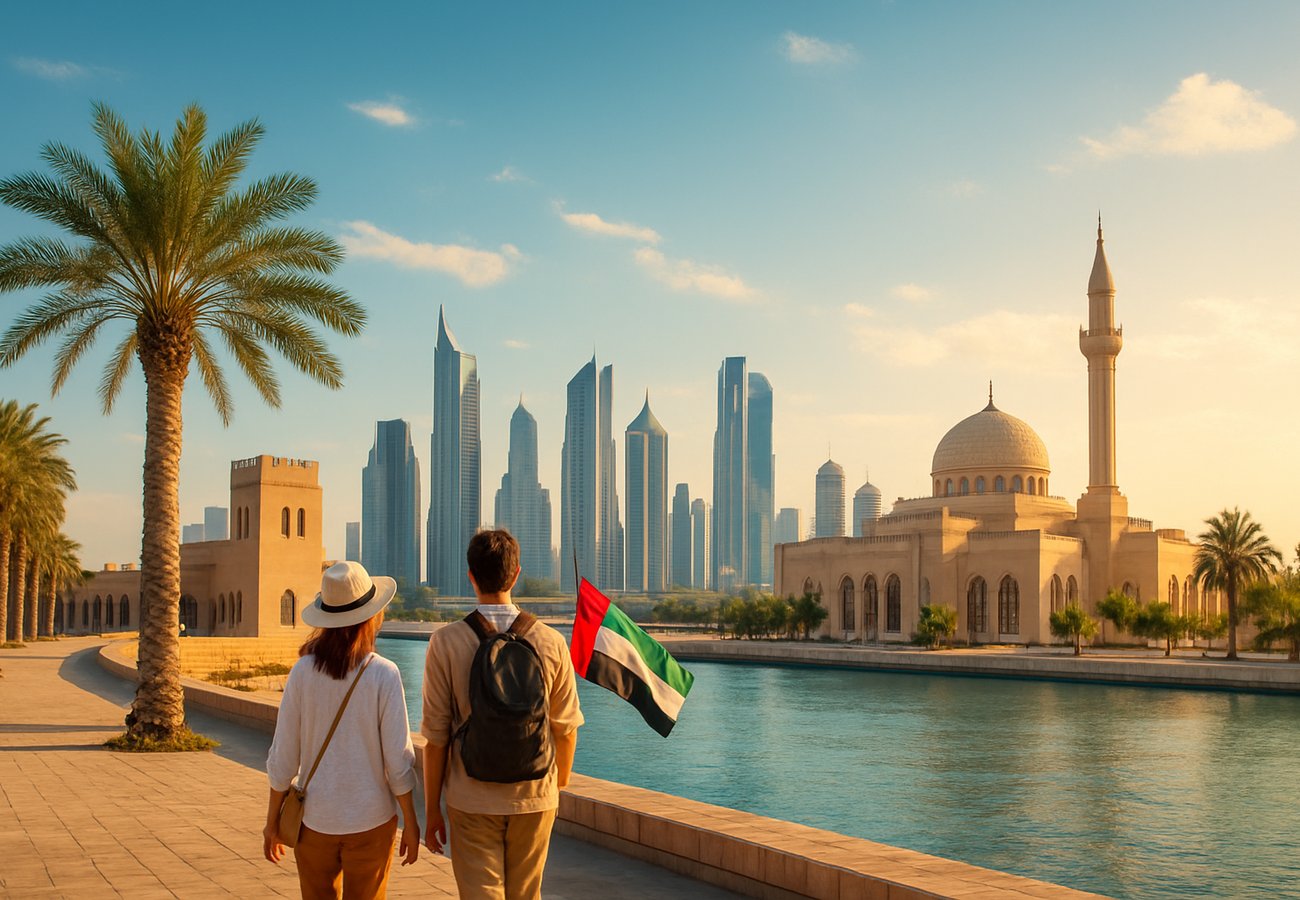
Image generated by AI
Quick Summary
- Historic Coalition: Qatar, Saudi Arabia, UAE, Kuwait, Bahrain, Iraq, and Turkey have launched a unified Middle East Tourism Alliance to accelerate growth.
- Qatar "Kids Go Free": A headline initiative (May 1 – Sept 30, 2026) allowing children under 12 to stay, dine, and experience attractions for free at 100+ partner hotels.
- UAE Stimulus: Dubai has introduced a AED 1 billion tourism stimulus package, including fee deferrals and marketing co-investment for hospitality partners.
- Safe Air Corridors: The UAE has established corridors allowing up to 48 flights per hour to operate safely between regional hubs and international gateways.
- Saudi Expansion: Accelerating the activation of NEOM, AlUla, and the Red Sea Project with enhanced e-visa programs for Europe and Southeast Asia.
- Iraq Restoration: Re-establishing air and land corridors while investing in tourism infrastructure at Babylon, Ur, and the Iraqi Marshes.
- Turkish Competitive Pricing: Market-level incentives focused on lowered accommodation rates and multi-market partnership bundles.
- Source: Regional Tourism Ministry Joint Communiqué and Post-Ceasefire Recovery Framework as of May 7, 2026.
In a historic display of regional unity, Qatar, Saudi Arabia, the UAE, Kuwait, Bahrain, Iraq, and Turkey have officially formed a high-impact Middle East Tourism Alliance to accelerate growth following a comprehensive regional ceasefire. Released on May 7, 2026, the coalition has launched a series of multi-billion dollar support packages and aggressive marketing campaigns—including Qatar’s "Kids Go Free" initiative and Dubai’s AED 1 billion stimulus—to restore international traveler confidence. From the establishment of "Safe Air Corridors" in the UAE to the restoration of ancient heritage sites in Iraq, the region is pivoting toward a value-rich, experience-led recovery. This coordinated strategy marks a definitive end to period of geopolitical uncertainty, positioning the Middle East as a primary global destination for luxury, culture, and family-friendly adventure in the post-ceasefire era.
Middle East Post-Ceasefire Tourism Recovery 2026: National Initiatives and Support Measures
The following table summarizes the strategic measures taken by the Middle East Tourism Alliance members to revitalize the sector.
| Country | Headline Initiative | Key Feature | Target Market |
|---|---|---|---|
| Qatar | "Kids Go Free" | Free stay/dine/access for <12s | International families |
| UAE | AED 1B Stimulus | Fee deferrals & Safe Air Corridors | Global investors & tourists |
| Saudi Arabia | Mega-Project Push | NEOM & AlUla activation | Luxury & Cultural travelers |
| Iraq | Heritage Restoration | Babylon & Ur infrastructure | Archaeological & Regional tourists |
| Turkey | Competitive Bundles | Lowered accommodation rates | Europe & GCC budget-conscious |
| Kuwait | GCC Collaboration | Multi-destination Gulf itineraries | Intra-regional & Long-haul |
| Bahrain | MICE & Leisure | Event sponsorships & Heritage tours | Business & Youth travelers |
Qatar: The "Kids Go Free" High-Value Family Strategy
Qatar is leading the regional family tourism revival with the Hala Summer 2026 campaign:
- Comprehensive Perks: Children under 12 receive free hotel stays (up to two children per paying adult), complimentary dining, and free access to theme parks and water parks.
- Digital Integration: The Visit Qatar Wallet centralizes all benefits via digital QR codes, simplifying the redemption process for international visitors.
- Cultural Immersion: The initiative is paired with live entertainment, heritage festivals, and interactive installations across Doha.
Saudi Arabia: Mega-Project Activation and Visa Liberalization
The Kingdom is focusing on a high-velocity international repositioning:
- Infrastructure Momentum: Strategic marketing of NEOM and AlUla is being supported by enhanced event calendars and tailored family programs.
- E-Visa Expansion: Liberalizing visa entry for key source markets in Europe and Southeast Asia to facilitate frictionless travel.
- Domestic Stimulation: The "Share-KSA" initiative continues to encourage GCC nationals to explore local heritage sites through bundled travel benefits.
UAE: AED 1 Billion Stimulus and Safe Air Corridor Innovation
The UAE is marrying financial relief with unprecedented safety guarantees:
- Liquidity Support: The AED 1 billion stimulus package provides fee rebates and marketing co-investments to preserve the tourism value chain.
- Aviation Security: "Safe Air Corridors" ensure high-frequency connectivity (48 flights/hour) while mitigating regional airspace concerns through enhanced navigation protocols.
- Aggressive Calendar: A packed schedule of concerts, shopping festivals, and sporting events signals that Dubai and Abu Dhabi are fully open for business.
Iraq: Re-establishing Cultural Heritage Corridors and Infrastructure
Iraq is making a historic bid to enter the regional tourism narrative:
- Archaeological Investment: Significant funding is being directed toward the rehabilitation of sites like Babylon and Ur to attract high-value cultural travelers.
- Network Restoration: The restoration of air and land corridors with GCC hubs is facilitating a return of regional and international visitor flows.
- Promotional Partnerships: Strategic alliances with regional tourism boards aim to position Iraq as a unique addition to Middle Eastern itineraries.
Turkey: Pragmatic Pricing and Multi-Market Partnership Bundles
Turkey is utilizing competitive pricing to maintain its market share:
- Long-Stay Incentives: Substantial reductions in accommodation rates are designed to encourage travelers to extend their stays in coastal and cultural resorts.
- Bundle Partnerships: Collaborations between airlines and hotels are resulting in discounted all-inclusive packages for European and Asian markets.
- Regional Branding: Showcasing seasonal itineraries that highlight Turkey's diverse cultural and nature-based offerings.
Kuwait and Bahrain: Collaborative GCC Marketing and Business Tourism
The smaller Gulf states are leveraging regional synergy:
- Multi-Stop Itineraries: Kuwait is focusing on visitors planning trips that include Doha, Dubai, and Riyadh as part of an extended Gulf holiday.
- Business Tourism: Bahrain is aggressively promoting its MICE (Meetings, Incentives, Conferences, and Exhibitions) agenda alongside youth-oriented heritage tours.
- Visa Facilities: Both nations are enhancing visa facilities to ensure ease of entry for visitors from GCC and international gateways.
Collective Strategy: Safety, Value, and Experience-Led Recovery
The Middle East Tourism Alliance is operating under a unified framework:
- Confidence Restoration: Coordinated safety protocols and "Safe Air Corridors" are designed to counteract negative geopolitical perceptions.
- Value Proposition: From free child perks to multi-billion dollar subsidies, the region is competing on value as much as luxury.
- Integrated Marketing: Regional campaigns are now highlighting the Middle East as a multi-destination hub rather than a collection of isolated cities.
Conclusion: A New Era of Unified Tourism Growth in the Middle East
The May 7, 2026, formation of the Middle East Tourism Alliance marks a definitive end to the period of post-ceasefire uncertainty. By coordinating massive stimulus packages, innovative family incentives, and high-frequency safe air corridors, the region is demonstrating an unprecedented alignment in its economic recovery. From the high-tech cities of the UAE to the ancient ruins of Iraq and the family-friendly luxury of Qatar, the Middle East is not just recovering its tourism sector—it is reinventing it for a more stable and prosperous future. For the global traveler, these initiatives offer a safe, value-driven, and culturally enriching environment that positions the region as the world's most dynamic tourism frontier in 2026.
FAQ: Middle East Tourism Alliance 2026
What is the "Kids Go Free" initiative in Qatar? Running from May 1 to September 30, 2026, this program allows children under 12 to stay, dine, and access major attractions for free when accompanied by a paying adult.
How is the UAE ensuring flight safety after the ceasefire? The UAE has implemented "Safe Air Corridors" that support up to 48 flights per hour between major hubs, utilizing enhanced navigation protocols to ensure passenger security.
Which mega-projects is Saudi Arabia prioritizing for tourism? Saudi Arabia is accelerating the activation of NEOM, AlUla, and the Red Sea Project with new event calendars and visa incentives for international visitors.
Related Tourism Reports
- Hala Summer 2026: Qatar’s Full Event and Attraction Guide
- Dubai AED 1 Billion Stimulus: What it Means for Hospitality Investors
- Iraq Heritage Tourism: Exploring Babylon and Ur in the Post-Ceasefire Era
Disclaimer
This article is for informational and educational purposes only. It does not constitute legal, financial, or professional advice. While we strive to provide accurate and up-to-date information, travel policies, regulations, and conditions change rapidly. Always verify information with official sources before making travel decisions. Nomad Lawyer makes no representations about the accuracy, reliability, completeness, or suitability of the information provided. Readers should consult qualified professionals for advice specific to their circumstances. The views expressed in this article are those of the author and do not necessarily reflect the views of Nomad Lawyer.
Kunal K Choudhary
Co-Founder & Contributor
A passionate traveller and tech enthusiast. Kunal contributes to the vision and growth of Nomad Lawyer, bringing fresh perspectives and driving the community forward.
Learn more about our team →