
Miami Travel Guide 2026: Neighborhood Planning, Nightlife Etiquette, and Dining Gratuity Rules

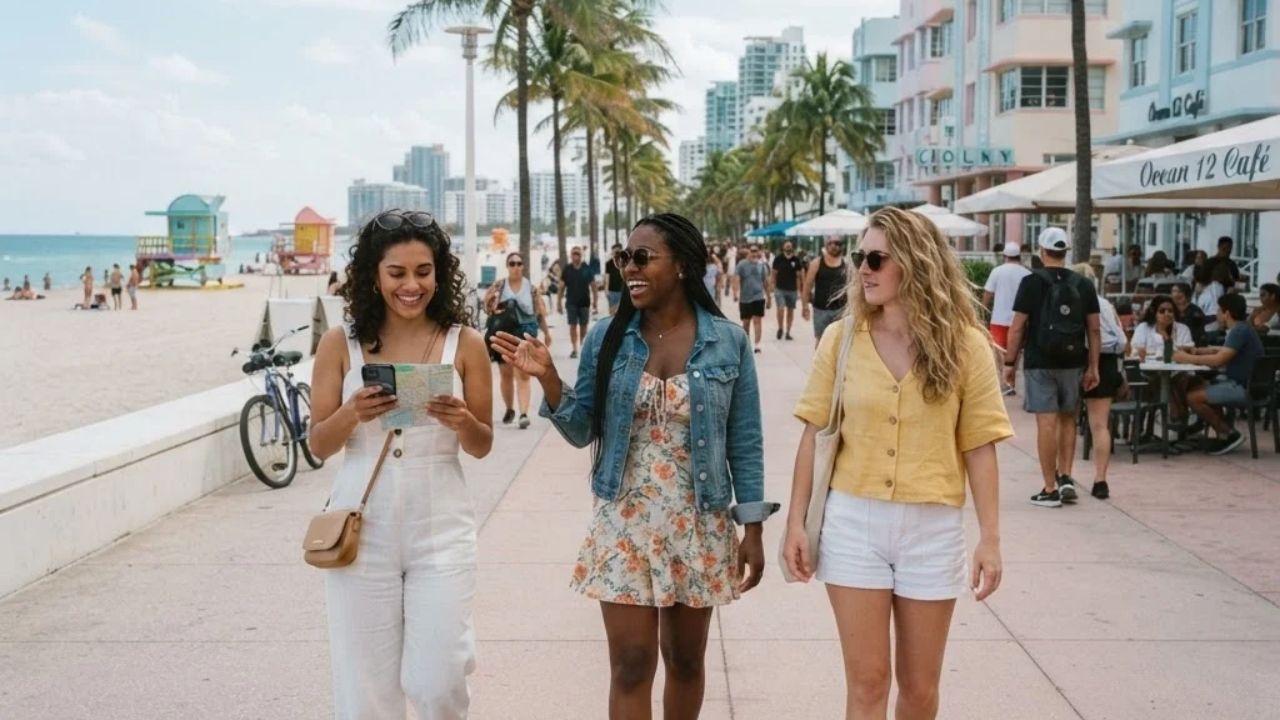
Transforming from a conventional beach enclave into a multifaceted international metropolis, Miami requires strategic travel planning across its distinct cultural districts, where restaurants routinely apply an automatic 18% to 20% gratuity and major nightlife venues do not peak until after midnight. Structuring a three-day minimum itinerary allows visitors to balance the historic Art Deco oceanfront with authentic Cuban culinary hubs, open-air street art galleries, and the surrounding Everglades wilderness.
While South Beach and sunny shorelines remain prominent draws, modern South Florida travel rewards visitors who look beyond the coastline. Navigating this dynamic destination demands an understanding of tropical weather patterns, district-specific dress codes, rideshare logistics, and neighborhood transit barriers. Moving between historic Cuban enclaves, luxury fashion corridors, and marine conservation zones transforms a generic beach holiday into an enriching cultural exploration.
The Local Trend Revealed: Beyond the South Beach Resort Circuit
Travel patterns in Miami have shifted decisively away from single-resort vacations toward multi-district, immersive itineraries. Travelers increasingly allocate their schedules across distinct municipal zones, recognizing that Miami Beach, Downtown Miami, and the mainland arts districts offer entirely different urban environments.
According to the Greater Miami Convention & Visitors Bureau (GMCVB) and Visit Florida, while quick 24-to-48-hour layovers provide a glimpse of the shoreline, dedicating three or more days allows travelers to experience the cultural depth that defines South Florida. Spanning three days creates space for daytime neighborhood excursions, evening culinary explorations, and day-trip excursions into the Florida Everglades or Biscayne National Park without losing hours in congested highway traffic.
Because Miami's primary attractions are separated by wide waterways and major expressways, grouping activities by geographical cluster is essential. Attempting to traverse from South Beach to Little Havana, up to Wynwood, and back to the beach in a single afternoon leads to severe traffic delays and expensive parking fees.
Miami District Comparison: Atmosphere and Visitor Profile
| Municipal District | Optimal Traveler Demographic | Defining Travel Experience | Primary Cultural & Architectural Highlights |
|---|---|---|---|
| Miami Beach & South Beach | First-time visitors and ocean enthusiasts | Coastal recreation, dining promenades, and historic architecture | World-famous Art Deco Historic District, Ocean Drive, and beachfront boardwalks |
| Downtown Miami & Brickell | Urban travelers and skyline enthusiasts | High-rise urban living, financial corridors, and waterfront dining | Biscayne Bay promenades, Perez Art Museum Miami (PAMM), and rooftop venues |
| Wynwood | Art lovers, creatives, and casual diners | Contemporary urban muralism, boutique breweries, and indie cafes | Wynwood Walls open-air street art complex, converted industrial warehouses |
| Miami Design District | Luxury travelers, shoppers, and architecture fans | High-end fashion flagship stores, public sculpture, and fine dining | High-concept modernist architecture, luxury brand installations, and curated galleries |
| Little Havana | Cultural explorers, coffee lovers, and foodies | Authentic Cuban traditions, immigrant heritage, and street music | Historic Calle Ocho (SW 8th St), Domino Park, and traditional cigar rolling shops |
| Little Haiti | Global culture and music seekers | Caribbean art, Afro-Caribbean gastronomy, and cultural centers | Little Haiti Cultural Complex, Caribbean Marketplace, and Caribbean street dining |
Financial Transparency: Navigating the 18% to 20% Gratuity and Nightlife Economics
Budgeting for a Miami getaway requires close attention to local billing customs, particularly in high-volume hospitality sectors across South Beach, Brickell, and the Design District.
Automatic Restaurant Gratuities
Throughout heavily visited tourist corridors, many restaurants and bars automatically add an 18% to 20% service charge or gratuity to the final check. This fee is frequently listed on receipts under headings such as "Service Charge", "Gratuity", or "Propina".
Travelers should carefully inspect their itemized bill before writing in an additional tip on the merchant credit card slip. While adding extra money for exceptional service remains at the diner’s discretion, double-tipping inadvertently adds 36% to 40% to meal costs.
Premium Nightlife and Beverage Pricing
South Florida’s premier lounges and beachfront clubs carry elevated drink pricing. Specialty cocktails in oceanfront venues or high-end nightlife clubs frequently range from $22 to $35 each, before taxes and mandatory service charges. Checking drink prices on menus before ordering prevents unexpected surprises when the bill arrives.
The Midnight Clock: Late-Night Club Etiquette
Miami operates on a noticeably later schedule than most American cities:
- Dinner Timing: Dining reservations at 9:00 PM or 10:00 PM are standard practice among residents. Many top kitchens remain open well past 11:00 PM.
- Pre-Club Gatherings: Social pre-drinks in hotel lounges or cocktail bars typically take place between 10:30 PM and midnight.
- Peak Club Hours: Premier nightlife venues in South Beach and Downtown do not become busy until 12:30 AM to 1:00 AM, with headlining DJs frequently performing until 4:00 AM or dawn.
- Dress Code Enforcement: Upscale clubs and rooftop lounges enforce strict entrance dress codes. Flip-flops, beach sandals, athletic tank tops, gym shorts, and excessively worn athletic sneakers will lead to refusal at the door. Polished evening attire or upscale casual wear is required.
Seasonal Climate Realities: Managing Summer Downpours and Hurricane Season
Miami’s sub-tropical climate shapes everyday travel rhythms. Planning an itinerary around seasonal weather patterns ensures unpredictable weather does not disrupt the holiday.
Summer Rain Patterns
During the summer months (June through September), temperatures regularly exceed 32°C (90°F) with high humidity. Afternoon downpours are common, arriving suddenly around 2:00 PM or 3:00 PM with intense rain and localized street flooding. These showers typically clear within 45 to 60 minutes.
Savvy travelers schedule outdoor beach walks and boat tours for the clear morning hours, reserving early afternoons for indoor museums, air-conditioned galleries, covered shopping arcades, or leisurely lunches.
Atlantic Hurricane Season Protocol
The official Atlantic hurricane season runs from 1 June through 30 November, with peak tropical storm activity historically concentrated between mid-August and late October. Tropical low-pressure systems can generate sustained gale-force winds, heavy ocean swells, and localized coastal inundations.
Travelers visiting during this period should:
- Monitor National Oceanic and Atmospheric Administration (NOAA) updates and official warnings issued by Miami-Dade County Emergency Management.
- Select travel insurance policies that provide comprehensive cancellation and trip interruption protections for named tropical storms.
- Maintain flexibility in coastal boat charters, water-sport excursions, and flights departing Miami International Airport (MIA) or Fort Lauderdale-Hollywood International Airport (FLL).
Off-Peak and Shoulder Planning
Winter (December through April) delivers mild, dry temperatures (24°C–27°C / 75°F–80°F), driving peak lodging rates and high visitor numbers, especially during major global events such as Art Basel in early December. The shoulder windows of late April through May, and November before the holiday rush, offer ideal compromises: comfortable warmth, lower hotel rates, and reduced crowds.
Cultural & Environmental Value: Supporting Immigrant Heritage and Coastal Sanctuaries
Miami’s cultural identity is anchored by its immigrant heritage and delicate coastal ecosystems. Tourism revenue directly influences the preservation of both cultural neighborhoods and natural habitats.
Cultural Preservation on Calle Ocho and Little Haiti
Little Havana’s Calle Ocho represents decades of Cuban-American community heritage. Visiting independent family-run bakeries, purchasing hand-rolled cigars, and supporting neighborhood art spaces ensures small businesses thrive alongside major corporate developments. In Little Haiti, supporting the Caribbean Marketplace and locally owned Haitian eateries sustains the neighborhood's unique French-Creole cultural traditions.
Marine and Coastal Stewardship
Miami’s shoreline is bordered by the Florida Reef Tract—the only living barrier coral reef in the continental United States—and delicate coastal mangroves:
- Sea Turtle Nesting Protection: From 1 May through 31 October, loggerhead, green, and leatherback sea turtles nest on Miami Beach. Visitors must stay clear of marked nesting enclosures and respect beachfront dark-sky lighting ordinances that prevent disorienting newly hatched turtles.
- Marine Safety Awareness: Coastal waters occasionally host Portuguese man o' war and common jellyfish following tropical wind shifts, while submerged sea urchins inhabit rocky groins. Swimmers should observe lifeguard warning flags (such as purple flags indicating hazardous marine life) and seek immediate lifeguard assistance if stung.
- Reef-Safe Practices: Applying non-nano mineral sunscreens free of oxybenzone and octinoxate protects fragile coral formations offshore.
Visitor Insider Tips: Coffee Ventanitas, Free Transit, and Neighborhood Staging
Experiencing Miami like a knowledgeable local requires specific ground intelligence:
- The Ventanita Coffee Ritual: In Little Havana, skip sit-down table service and order directly from the sidewalk walk-up window (ventanita). Order a traditional cafecito (an intense, sweet shot of espresso whipped with sugar to create a frothy espumita). For groups, request a colada—a four-shot espresso pour served in a large styrofoam cup alongside small plastic thimble cups designed to share with friends. If you prefer milk, order a cortadito (espresso cut with a splash of steamed evaporated milk).
- Local Culinary Must-Eats:
- Calle Ocho: Savor freshly griddled pan con lechón (mojo-marinated roast pork topped with sautéed onions on crisp Cuban bread) and flaky guava-and-cream-cheese pastelitos.
- Biscayne Bay & South Beach: Taste fresh Florida Stone Crab claws (Menippe mercenaria), available during the legal harvest window from 15 October through 1 May, served cold with traditional tangy mustard sauce.
- Little Haiti: Sample traditional griot (citrus-marinated, slow-braised fried pork shoulder) paired with spicy pikliz (crunchy pickled cabbage and scotch bonnet slaw) and seasoned rice with djon-djon mushrooms.
- Free Urban Transit via Metromover: Avoid costly parking in Downtown Miami and Brickell by riding the Metromover. This fully automated, elevated electric rail system is 100% free to the public, connecting major hotels, the Brickell City Centre shopping complex, Bayside Marketplace, and the Perez Art Museum without sitting in traffic.
- Rideshares Over Rental Cars: Unless embarking on regional multi-day journeys to Key West, renting a car for a purely urban Miami trip often adds frustration. Valet parking at major beachfront hotels routinely costs $45 to $70 per night, and highway traffic along I-95 can be intense. Rely on rideshares for cross-bay trips between the beach and the mainland, and utilize pedestrian pathways or city bike-shares within individual districts.
- Everglades Gateway Excursion: Allocate half a day to visit Shark Valley within Everglades National Park, located approximately 45 minutes west of downtown Miami along the Tamiami Trail. Rent a bicycle or take the two-hour guided open-air tram along the 15-mile paved loop to observe wild American alligators, wading herons, and turtles in their native freshwater habitat.
Tourism Outlook: Sustainable Urban Evolution Across South Florida
Miami’s tourism market continues to evolve from a seasonal sun-and-sand escape into an internationally recognized hub of art, gastronomy, and multicultural exchange.
By adopting smarter itinerary planning—checking itemized receipts for automated gratuities, respecting late-night nightlife conventions, and utilizing local transit options—travelers protect their travel budgets while enjoying a deeper, more rewarding connection to South Florida's rich cultural fabric.
Related Travel Guides
Global Travel Medical Claims 2026: USA, Spain, and Thailand Reveal Hidden Tourist Health Risks
10 Best Cultural Neighborhoods and Dining Spots in South Florida for 2027
Disclaimer
This article is for informational and educational purposes only. It does not constitute legal, financial, or professional advice. While we strive to provide accurate and up-to-date information, travel policies, regulations, and conditions change rapidly. Always verify information with official sources before making travel decisions. Nomad Lawyer makes no representations about the accuracy, reliability, completeness, or suitability of the information provided. Readers should consult qualified professionals for advice specific to their circumstances. The views expressed in this article are those of the author and do not necessarily reflect the views of Nomad Lawyer.
Raushan Kumar
Founder & Lead Developer
Full-stack developer with 11+ years of experience and a passionate traveller. Raushan built Nomad Lawyer from the ground up with a vision to create the best travel and law experience on the web.
Learn more about our team →