
Mexico Ranks 4th Globally in Tourism GDP and Leisure Spending with US$149.4 Billion Contribution
Mexico has surged to fourth place worldwide in direct Travel & Tourism GDP contribution, recording US$149.4 billion in 2025 and becoming the only Latin American nation in the global top 10.

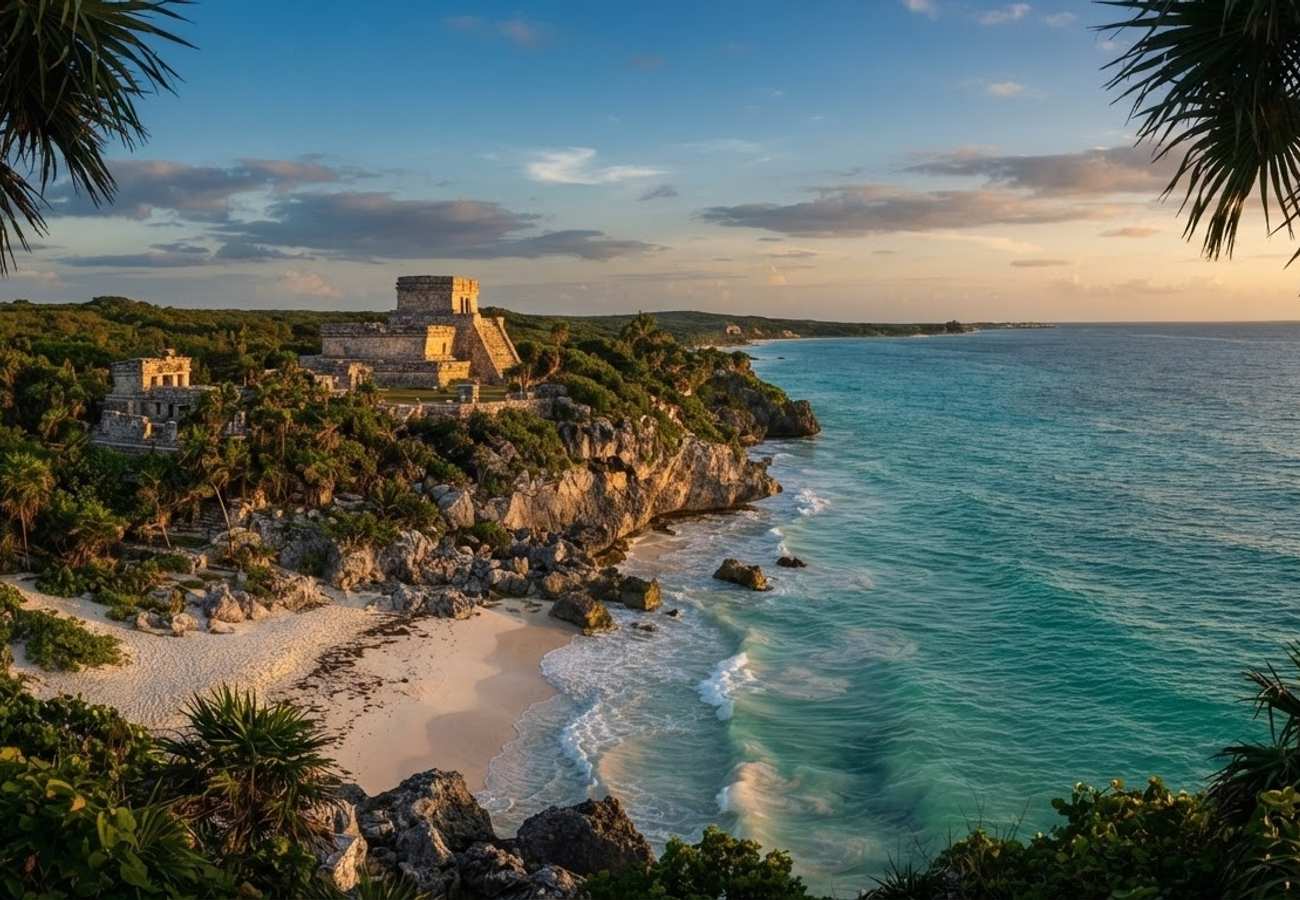
Image generated by AI
Mexico has secured the fourth position worldwide in both direct Travel & Tourism GDP contribution and leisure travel spending for 2025. The nation recorded an estimated US$149.4 billion in direct economic contribution, marking it as the sole Latin American representative in the global top 10.
The Shift Toward Diversified Travel
The recent surge in Mexico's global standing signals a transition from a "sun and sand" destination to a comprehensive travel powerhouse. While the traditional appeal of Caribbean coastlines remains a primary driver, the data reveals a sophisticated shift in visitor behavior. Travelers are no longer choosing between a beach holiday or a cultural expedition; they are integrating both into single, multi-faceted itineraries.
This evolution is evident in the rise of "experience-stacking," where visitors combine the luxury infrastructure of Los Cabos or the Riviera Maya with deep dives into indigenous traditions in Oaxaca or the architectural history of San Miguel de Allende and Guanajuato. By offering a spectrum that spans from high-end wellness retreats to rugged adventure landscapes, Mexico has decoupled its economic success from any single region.
Economic Engine and Regional Impact
The US$149.4 billion contribution is not merely a headline figure; it represents a systemic integration of hotels, airports, cruise terminals, and local SMEs. According to data from the World Travel & Tourism Council, this economic strength is distributed across several key pillars:
| Tourism Pillar | Key Drivers | Economic Focus |
|---|---|---|
| Coastal Hubs | Cancún, Tulum, Los Cabos | High-volume leisure & luxury resorts |
| Cultural Centers | Mexico City, Oaxaca, Mérida | Museums, gastronomy, and urban heritage |
| Heritage Sites | Chichén Itzá, Teotihuacán, Palenque | Archaeology and indigenous history |
| Luxury Segment | Punta Mita, Riviera Maya | Private villas, wellness, and yachting |
Quintana Roo continues to lead this growth. The region's ability to pivot from traditional resort stays to eco-tourism and heritage travel—specifically through the exploration of cenotes and Mayan archaeological treasures—has provided a blueprint for sustainable regional development.
Cultural and Environmental Value
For the visitor, the real impact of this boom is the increased investment in preserving the very assets that drive the economy. The integration of Mayan and Aztec heritage into the mainstream tourism product has shifted the focus toward conservation and community-based tourism.
The growth of the luxury sector in areas like Punta Mita and Los Cabos is also reflecting a change in demand. High-value travelers are increasingly prioritizing privacy and authenticity over ostentatious luxury. This shift supports local economies by creating a demand for artisanal goods, regional cuisine, and personalized guides who provide genuine cultural context rather than scripted tours.
Visitor Insider Tips
To navigate Mexico's current tourism peak, travelers should move beyond the primary hubs to find the most authentic experiences.
- The "Off-Peak" Window: While December through April is the prime season, visiting during the "shoulder" months of May or October often provides better access to archaeological sites like Uxmal or Palenque without the crowds.
- Dining Beyond Resorts: In Mexico City, avoid the tourist-heavy Zócalo for dining; instead, explore the Roma and Condesa neighborhoods for a mix of traditional street food and cutting-edge gastronomy.
- Cenote Etiquette: When visiting the freshwater cenotes of the Yucatán Peninsula, avoid wearing chemical sunscreens or insect repellents, as these contaminate the fragile underground ecosystems. Use biodegradable options only.
- Local Connectivity: While major airports in Cancún and Mexico City are efficient, utilizing regional flights to Guadalajara or Mérida can unlock the "Heart of Mexico" more quickly than long-distance bus travel.
Tourism Outlook
The long-term trajectory for Mexico suggests a move toward "high-value, low-impact" tourism. As the nation solidifies its place in the global top five, the focus is shifting toward sustainable infrastructure and the protection of indigenous lands. The continued expansion of international air connectivity ensures that Mexico will remain a strategic hub between North and South America, but the future of its growth lies in the ability to balance massive visitor volumes with the preservation of its cultural soul.
Mexico is no longer just a getaway; it is a global benchmark for how cultural heritage and luxury infrastructure can coexist.
Related Travel Guides
Disclaimer
This article is for informational and educational purposes only. It does not constitute legal, financial, or professional advice. While we strive to provide accurate and up-to-date information, travel policies, regulations, and conditions change rapidly. Always verify information with official sources before making travel decisions. Nomad Lawyer makes no representations about the accuracy, reliability, completeness, or suitability of the information provided. Readers should consult qualified professionals for advice specific to their circumstances. The views expressed in this article are those of the author and do not necessarily reflect the views of Nomad Lawyer.
Raushan Kumar
Founder & Lead Developer
Full-stack developer with 11+ years of experience and a passionate traveller. Raushan built Nomad Lawyer from the ground up with a vision to create the best travel and law experience on the web.
Learn more about our team →