
Mexico, Portugal, and Thailand Expand Long-Stay Visa Programs to Capture 2026 Retirement Tourism Boom
Mexico, Portugal, Spain, Costa Rica, and Thailand are pivoting toward 'slow travel' frameworks, implementing specialized long-stay visas to attract retirees seeking lifestyle-focused residency over traditional short-term tourism.

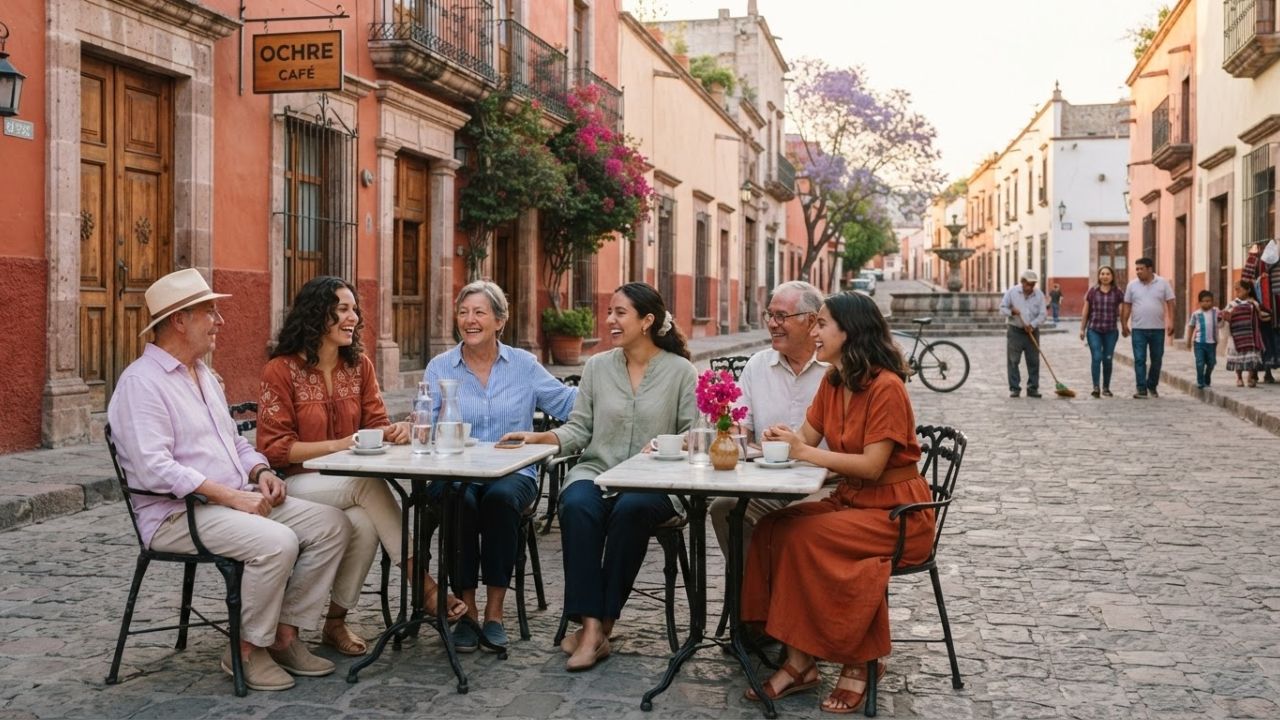
Image generated by AI
Global travel patterns are undergoing a major shift as Mexico, Portugal, Spain, Costa Rica, and Thailand develop slow travel frameworks and specialized residency programs. By offering targeted long-stay visas, these nations are moving beyond seasonal holiday promotions to capture a record retirement tourism boom.
The Strategic Shift to Lifestyle-Focused Slow Travel
The traditional model of retirement—characterized by domestic leisure—is being replaced by a global movement toward extended international stays. This transition toward "slow travel" prioritizes cultural immersion, social connectivity, and wellness over the rapid consumption of tourist landmarks. For host nations, this demographic shift offers a hedge against the volatility of peak-season tourism by creating a consistent, high-spending resident population that supports local businesses and rural economies.
National tourism ministries are recognizing this demographic transition as an opportunity for sustainable growth. Historically, tourism departments focused marketing dollars on high-volume, short-stay holidaymakers who crowd hot-spots and strain public systems. By pivoting to slow-travel frameworks, destinations are inviting retirees to experience local traditions over weeks and months, reducing environmental impact while bolstering community-level revenues. Unlike standard tourism, which emphasizes itinerary density, retirement slow travel focuses on stability and integration. Retirees are increasingly seeking destinations where they can establish daily routines, engage in community-based activities, and maintain active lifestyles. This shift is driven by a desire for mental stimulation and the mitigation of social isolation often experienced after leaving the professional workforce. By becoming temporary residents rather than transient sightseers, older travelers contribute to a more sustainable tourism economy that respects the pace of local life.
Comparing Slow Travel Drivers and Retiree Benefits
The decision to choose slow travel over traditional holiday packages is guided by several personal and destination-specific benefits:
| Slow Travel Element | Benefit for Retirees | Impact on Destination |
|---|---|---|
| Extended Stays | Stability and familiar daily routines | Reduced seasonal volatility |
| Local Engagement | Cultural learning and integration | Support for non-tourist local businesses |
| Community Activity | Social connections and friendship | Increased demand for community infrastructure |
| Active Exploration | Improved physical and mental health | Growth in wellness and eco-tourism sectors |
| Cultural Immersion | Personal growth and stimulation | Preservation of local heritage through interest |
Favorable Climates, Visas, and Regional Inward Investment
Different regions are leveraging their unique geographic and economic advantages to attract retiree visitors. The combination of favorable climates, affordable living costs, and modern healthcare facilities forms the foundation of this global relocation trend.
| Country | Primary Draw | Tourism Opportunity |
|---|---|---|
| Mexico | Warm climate, affordability, established expat hubs | Coastal heritage and extended-stay rentals |
| Portugal | Safety, relaxed pace, coastal appeal | Rural tourism and wellness retreats |
| Spain | Mediterranean lifestyle, superior healthcare | Year-round coastal living and medical tourism |
| Costa Rica | Biodiversity, outdoor lifestyle, wellness | Eco-tourism and healthy aging programs |
| Thailand | Low cost of living, rich culture, wellness | Long-stay lifestyle hubs and medical hubs |
The expansion of long-stay visa programs is the main engine driving this retirement boom. Visas such as Portugal’s D7 Passive Income Visa and Spain’s Non-Lucrative Visa allow financially independent travelers to remain in their host countries for years. Similarly, Mexico's Temporary Resident Visa and Costa Rica's Pensioned Program offer structured pathways that convert standard tourists into stable, tax-paying local consumers who spend on housing, dining, and public services.
| Country | Visa / Residency Route | Primary Purpose |
|---|---|---|
| Mexico | Temporary Resident Visa | Supports lifestyle relocation and extended stays |
| Portugal | D7 Passive Income Visa | Targets retirees with stable, recurring passive income |
| Spain | Non-Lucrative Visa | For financially independent visitors not seeking employment |
| Costa Rica | Pensioned Program | Dedicated residency for those with guaranteed pensions |
| Thailand | Retirement Visa Options | Age-based residency for long-term stayers |
These residency pathways also trigger significant inward investment in regional real estate and services. Retirees entering Spain on a Non-Lucrative Visa or Portugal on a D7 Visa frequently purchase or lease residential properties in secondary cities, funding local renovation works and supporting local trades. This capital injection helps revive rural communities that face population decline, creating jobs and supporting local utilities.
Visitor Guide: Local Dining, Cultural Etiquette, and Relocation Tips
For retirees embarking on long-stay travel, transitioning from a tourist to a local resident requires understanding local customs, legal requirements, and regional specialties.
In Mexico, Lake Chapala and the town of Ajijic are home to some of the largest international retiree communities. When visiting local shops, always greet the owners with a polite "Buenos días" (good morning) or "Buenas tardes" (good afternoon) before asking for assistance. When paying, hand cash or cards directly to the cashier rather than placing them on the counter. During late summer, try the seasonal specialty Chiles en Nogada, a traditional dish representing the colors of the Mexican flag. For long-term housing, avoid booking online for your entire stay. Instead, secure a short-term rental for the first 30 days to vet neighborhoods and verify proximity to local hospitals.
In Portugal, the Silver Coast town of Caldas da Rainha offers a quieter alternative to the busy Algarve, famous for its daily open-air fruit market and thermal springs. When dining out, remember that the bread, cheese, and olives placed on your table at the start of a meal (the couvert) are not complimentary. If you do not wish to pay for them, simply request that they be removed. Try Bacalhau à Brás (shredded cod with onions and eggs) paired with local white wines.
In Thailand, the northern city of Chiang Mai is a popular hub for wellness-focused retirees. Always remove your shoes before entering temples, homes, and even some local businesses. Never point your feet at a person or a Buddha image, as the feet are considered the lowest and dirtiest part of the body. Always use the "Wai" greeting (palms pressed together at chest height with a slight bow) to show respect to elders. Savor Khao Soi, a rich yellow coconut curry noodle soup that is a signature northern specialty.
In Costa Rica, the town of Atenas is celebrated for having one of the best climates in the world. Embrace the local "Pura Vida" philosophy, which translates to a relaxed, patient approach to time and service. Taste Gallo Pinto (seasoned rice and beans) with Lizano sauce for breakfast, and buy fresh produce directly from local farmers at the weekly feria (market) to support the community economy directly.
Long-Term Outlook: Establishing a Resilient and Balanced Travel Economy
The growth of retirement slow travel represents a fundamental shift in how nations develop their visitor economies. By attracting long-term residents who stay for months or years, destinations can reduce their dependency on volatile seasonal flight schedules and high-density tourism.
Additionally, the long-term success of this travel boom depends on municipal planning. Destinations must balance the economic benefits of retiree arrivals with the housing needs of local residents. By implementing balanced housing regulations and encouraging retirement integration in rural, underpopulated zones, host governments can ensure that the retirement boom supports the host community without displacing local families. Ultimately, the integration of retiree travelers supports a more sustainable tourism model that respects local ecosystems and distributes economic benefits equitably. As older adults prioritize health-conscious routines, cultural discovery, and personal growth in their retirement years, destinations that provide supportive communities, clear residency pathways, and accessible infrastructure will continue to lead the global travel market, building a resilient foundation for the travel industry.
Related Travel Guides
Disclaimer
This article is for informational and educational purposes only. It does not constitute legal, financial, or professional advice. While we strive to provide accurate and up-to-date information, travel policies, regulations, and conditions change rapidly. Always verify information with official sources before making travel decisions. Nomad Lawyer makes no representations about the accuracy, reliability, completeness, or suitability of the information provided. Readers should consult qualified professionals for advice specific to their circumstances. The views expressed in this article are those of the author and do not necessarily reflect the views of Nomad Lawyer.
Preeti Gunjan
Contributor & Community Manager
A passionate traveller and community builder. Preeti helps grow the Nomad Lawyer community, fostering engagement and bringing the reader experience to life.
Learn more about our team →