
Mayon Volcano 183-Day Eruption Triggers Philippines Travel Shock: Japan, US, South Korea, Australia Hit
Philippines' Mayon Volcano hits a 183-day eruption streak in 2026, triggering massive travel disruptions and tour cancellations for Japan, US, South Korea, and Australia tourists across Bicol and Luzon.

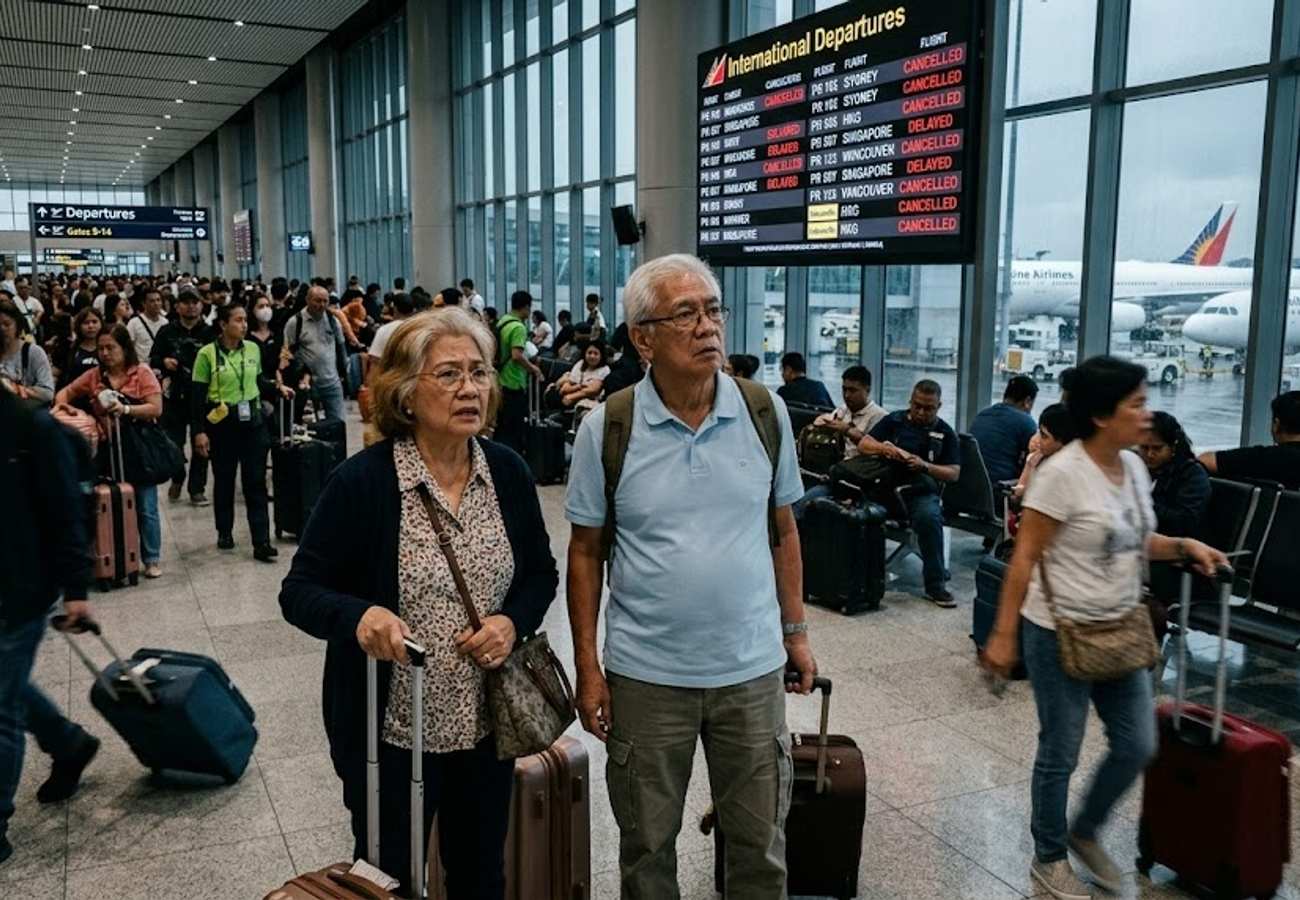
Image generated by AI
The Philippines is facing a massive volcanic travel disruption as Mayon Volcano hits a 183-day eruption streak in 2026. The Philippine Institute of Volcanology and Seismology (PHIVOLCS) continues to enforce strict exclusion zones across Albay, directly impacting international travelers from Japan, the United States, South Korea, and Australia.
Alert Level 3 restrictions have triggered widespread cancellations for Albay volcano tours, Bicol scenic routes, and Luzon adventure corridors. Tour operators report plummeting bookings for eco-tourism and trekking, forcing a rapid pivot toward coastal destinations like Palawan, Cebu, and Boracay to salvage remaining travel demand.
Japan ranks among the hardest-hit source markets in this Philippine travel disruption. Japanese tour operators are aggressively canceling volcano sightseeing packages in Luzon and scaling back Albay scenic tours. Travelers are showing increased sensitivity to volcanic advisories, prompting a massive shift toward coastal tourism products over inland adventure circuits.
The United States long-haul tourism segment is experiencing severe itinerary adjustments. US travelers face the suspension of volcano trekking packages in Albay and reduced eco-tourism bookings in Northern Luzon. Major travel insurance providers are increasing restrictions for volcanic zone travel, redirecting American tourists toward safer, island-based tourism destinations.
South Korea’s mass tourism segment is undergoing immediate restructuring. Group tour cancellations for the entire Bicol region are accelerating, with operators replacing Luzon inland tours with beach packages. The decline in volcanic sightseeing demand has forced a strong, immediate shift toward stable, resort-based tourism to maintain booking confidence.
Australia’s adventure tourism market is reacting strongly to the prolonged eruption conditions. Australian operators have suspended all Mayon trekking experiences and reported drastically reduced demand for inland adventure tourism. Itineraries are being rapidly reallocated to diving and beach tourism, resulting in lower interest in multi-region Philippines travel circuits.
The sustained volcanic activity has created a continuous chokehold on Albay’s tourism zones. Restricted access to Mayon Volcano viewpoints and trekking paths has left local guides without work. Guided eco-tourism experiences remain suspended indefinitely, leading to a severe slowdown in tourism recovery momentum for the Bicol region.
Aerial sightseeing activities, a major draw for international photographers and adventure seekers, remain grounded due to hazardous ash clouds and safety protocols. The economic ripple effect is stripping vital revenue from the Bicol region, with hotels and resorts near the volcanic exclusion zones reporting high vacancy rates.
Travelers are feeling the immediate brunt of these operational shutdowns. Frustration is mounting online as itineraries collapse.
"Our guided trek up Mayon got canceled three days before departure. We had to scramble to reroute our entire Luzon itinerary to Cebu last minute, and our travel insurance initially refused to cover the change." — u/Backpacker_Jake88, r/PhilippinesTravel
Major airlines servicing the Bicol region are adjusting schedules to accommodate the sudden drop in inbound tourism traffic. Carriers are waiving change fees for passengers holding tickets to regional airports near the eruption zone, allowing travelers to reroute to alternative hubs like Manila or Cebu without incurring standard penalties.
Insurance providers are tightening policy language regarding natural disasters. Standard travel insurance plans are increasingly excluding coverage for volcanic activity unless purchased as a high-risk premium add-on. The US Department of State travel advisories strongly urge citizens to monitor local government updates and avoid all restricted zones.
Adventure tourism companies are actively restructuring their packages to avoid volcanic risk zones entirely. Instead of multi-day inland treks, operators are offering diving certifications in Palawan and island-hopping excursions in the Visayas. This rapid reallocation of resources highlights the travel industry's need for agility during prolonged natural disasters.
The volcanic travel disruption in the Philippines is not just a localized event. It serves as a global tourism signal, directly affecting how international travelers design itineraries focused on eco-tourism and adventure experiences. Albay’s iconic volcanic landscape has long been a major attraction, but prolonged eruption activity is reshaping demand patterns across the Asia-Pacific region.
What to Do Next
Travelers planning trips to the Philippines should follow updated safety and booking strategies:
- Monitor official updates from PHIVOLCS before traveling to any region in Luzon.
- Avoid all itineraries involving Mayon Volcano or the Albay interior exclusion zones.
- Choose flexible booking options that offer free rebooking or full refunds.
- Prioritise alternative destinations like Palawan, Cebu, and Boracay.
- Check airline policies for itinerary changes and route suspensions.
- Review travel insurance policies to confirm volcanic activity coverage.
The prolonged eruption of Mayon Volcano is significantly influencing global tourism behaviour toward the Philippines. While international arrivals continue, adventure tourism in affected regions is clearly declining. This highlights the growing importance of safety-driven travel planning and flexible itinerary design in modern tourism markets.
Stay updated with official alerts, adjust itineraries early, and prioritise safe alternative destinations within the Philippines for uninterrupted travel experiences.
Related Travel Guides
Disclaimer
This article is for informational and educational purposes only. It does not constitute legal, financial, or professional advice. While we strive to provide accurate and up-to-date information, travel policies, regulations, and conditions change rapidly. Always verify information with official sources before making travel decisions. Nomad Lawyer makes no representations about the accuracy, reliability, completeness, or suitability of the information provided. Readers should consult qualified professionals for advice specific to their circumstances. The views expressed in this article are those of the author and do not necessarily reflect the views of Nomad Lawyer.
Kunal K Choudhary
Co-Founder & Contributor
A passionate traveller and tech enthusiast. Kunal contributes to the vision and growth of Nomad Lawyer, bringing fresh perspectives and driving the community forward.
Learn more about our team →