
Manila Monsoon Flooding Prompts Cebu Pacific Travel Adjustments
Cebu Pacific issues flight flexibility for Manila and Clark on August 18-19 as Habagat monsoon rains exceed 200mm, causing widespread flooding.

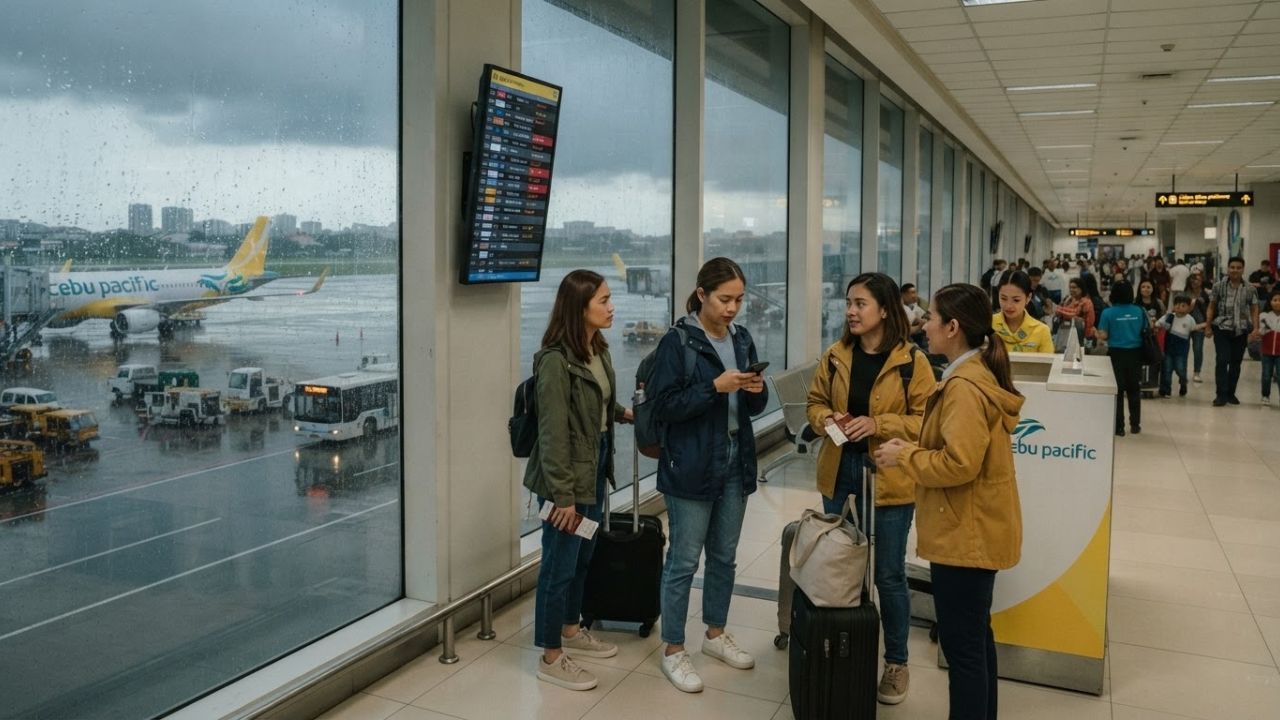
Image generated by AI
Cebu Pacific is offering free rebooking and travel fund options for passengers traveling through Manila and Clark on August 18 and 19 after southwest monsoon (Habagat) rains dumped over 200 millimeters of water in five hours.
Flight Operations: Free Rebooking and Travel Fund Allocations
Budget carrier Cebu Pacific has introduced booking flexibility for passengers affected by the severe southwest monsoon, known locally as the Habagat. While the airline confirms that scheduled flights remain operational, customers holding bookings for travel to or from Manila and Clark on August 18 and August 19, 2026, can modify their itineraries.
Eligible passengers can choose to rebook their flights within an approved travel window without paying change fees or fare differences. Alternatively, travelers can convert the value of their unused tickets into a Travel Fund, which stores the booking credit for future use. Passengers who missed flights on August 17 due to transport blockages are advised to contact customer support for retroactive assistance.
Heavy Monsoon Rainfall: Metro Manila Flooding Details
The travel adjustments follow significant flooding across Metro Manila and nearby provinces. According to data from the Science Garden weather station, the Habagat monsoon dropped more than 200 millimeters of rain within a five-hour period on August 17, 2026.
The intense downpour overwhelmed drainage infrastructure, leading to road closures, public transport disruptions, and severe delays for commuters heading toward Ninoy Aquino International Airport (NAIA) in Manila and Clark International Airport. The Philippine Atmospheric, Geophysical and Astronomical Services Administration (PAGASA) continues to monitor the monsoon front, warning that seasonal rains may persist.
Sustainable Group Transit and Community Support
During monsoon weather, choosing shared transit options like the LRT or MRT rail systems helps reduce gridlock and carbon emissions on flooded city streets. The Department of Tourism (DOT) also encourages visitors to support small, family-owned carinderias (local eateries) in safe areas of Manila. Directing food and drink expenditures to these neighborhood establishments aids community recovery from seasonal water damage.
Travelers are advised to pack reusable, waterproof dry bags to protect documentation and electronics, minimizing waste from single-use plastics during weather-related emergencies.
Local Insider Travel Strategies
- Optimal Travel Windows: The peak of the Habagat monsoon runs from July to September. For dry weather and clear skies, plan visits to Manila during the cool, dry season of December to February.
- Monsoon Etiquette: When traffic gridlock and flooding occur, practice Bayanihan (the local custom of community cooperation and patience). Monitor real-time traffic alerts through the Metropolitan Manila Development Authority (MMDA) feeds before starting journeys.
- Culinary Specialties: Warm up in rainy weather with a hot bowl of bulalo (slow-cooked beef shank soup with corn) or arroz caldo (savory ginger-infused chicken rice porridge) at local eateries.
- Hidden Gems: Trade outdoor walking tours for indoor cultural spaces. Visit the National Museum of Fine Arts or the indoor galleries of San Agustin Museum inside the historic walled city of Intramuros.
Long-Term Outlook for Philippine Travel Services
The implementation of flexible rebooking frameworks by domestic carriers indicates a growing need for weather-resilient travel policies. As seasonal monsoon volatility increases, coordination between airlines, airport managers, and city transit authorities remains essential to protect consumer investments and ensure passenger safety during extreme weather events.
Related Travel Guides
Disclaimer
This article is for informational and educational purposes only. It does not constitute legal, financial, or professional advice. While we strive to provide accurate and up-to-date information, travel policies, regulations, and conditions change rapidly. Always verify information with official sources before making travel decisions. Nomad Lawyer makes no representations about the accuracy, reliability, completeness, or suitability of the information provided. Readers should consult qualified professionals for advice specific to their circumstances. The views expressed in this article are those of the author and do not necessarily reflect the views of Nomad Lawyer.
Raushan Kumar
Founder & Lead Developer
Full-stack developer with 11+ years of experience and a passionate traveller. Raushan built Nomad Lawyer from the ground up with a vision to create the best travel and law experience on the web.
Learn more about our team →