
Argentina Restricts Access to Devil's Throat at Iguazu Falls Amid Rising Flood Threat
Argentina's Iguazu National Park has temporarily closed the Devil's Throat walkway system for approximately 40 days as a preventive measure against rising river levels.
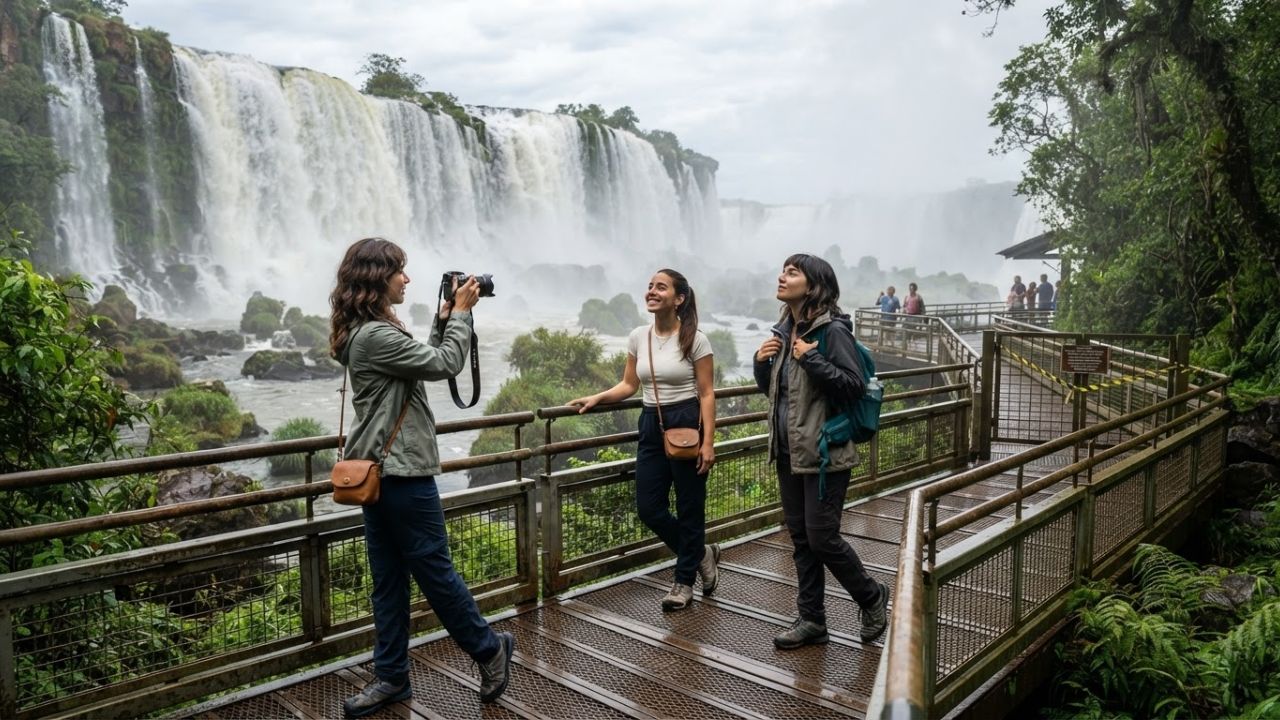
Image generated by AI
Argentina's National Parks Administration has closed the iconic Devil's Throat walkway system at Iguazu Falls for approximately 40 days due to rising water levels in the Iguazu River. By proactively dismantling sections of the metal walkways before seasonal floods arrive, destination managers aim to protect the park's infrastructure while maintaining access to all other viewing circuits.
Proactive Climate Adaptation in Misiones Province
In August 2026, officials at Iguazu National Park in Argentina’s northeastern Misiones Province implemented a preventive closure of the Devil’s Throat walkway system, which is scheduled to last for approximately 40 days. The decision was coordinated by the National Parks Administration and Iguazú Argentina S.A., the private concession operator responsible for visitor facilities inside the park. The measure was triggered by weather forecasts indicating the potential for unusually high water levels in the Iguazu River basin, which could exceed safe operational thresholds for the viewing platforms.
Technicians from the National Meteorological Service are monitoring the upper Iguazu basin in Brazil, where the majority of the river's water originates. This trans-border monitoring network provides park authorities with a 48-hour early warning system, allowing them to complete walkway removals before high water velocities make physical labor on the platforms dangerous. Nature-based tourism destinations are increasingly facing challenges associated with extreme weather patterns. The Iguazu River basin reacts rapidly to intense rainfall across the regional catchment area, meaning that water levels can rise to dangerous heights within a short period. The decision to restrict access to the Devil’s Throat represents a major shift toward proactive destination management. Rather than waiting for active floodwaters to damage the walkway system, park engineers are proactively removing vulnerable metal railings and deck sections to prevent the structures from being swept away by the river's current.
Balancing Visitor Access with Infrastructure Safety
The temporary restriction at the Devil’s Throat does not represent a complete shutdown of Iguazu National Park. The park continues to welcome travelers, with operations running normally across the Upper Circuit, Lower Circuit, Green Trail, and the Jungle Ecological Train. This hybrid operational strategy allows Argentina’s tourism sector to continue hosting visitors safely, minimizing economic disruption for local businesses while safeguarding the park's most exposed viewing platforms.
The Devil’s Throat is widely considered the highlight of the Argentine side of the falls, featuring a horseshoe-shaped canyon where a massive volume of water plunges into a deep gorge. Because the viewing platform extends directly over the edge of the falls, it is highly vulnerable to heavy water flows. Previous extreme weather events, including a major flood in October 2023, caused significant damage to the walkway infrastructure, requiring lengthy and expensive reconstruction efforts. By implementing the current preventive closure, authorities are protecting public infrastructure investments and ensuring that the viewing platforms can be quickly restored once water levels recede.
The Economic Importance of Iguazu Falls for Argentina
Iguazu Falls is one of South America’s most internationally recognized natural wonders, serving as a primary driver of inbound tourism for Argentina. Alongside major destinations like Buenos Aires, Patagonia, and Mendoza, the waterfall system forms a vital pillar of the national tourism strategy. The visitor economy in Misiones Province is heavily dependent on these arrivals, supporting thousands of local hospitality jobs and regional businesses.
The town of Puerto Iguazú serves as the main gateway for visitors to the park, with its local economy structured around hotels, restaurants, transport companies, and adventure tour agencies. While the temporary closure of the Devil’s Throat may require some travel adjustments for visitors, the continued availability of other park circuits prevents widespread cancellations. Destination managers are focusing on clear communication and flexible itineraries to maintain traveler confidence, demonstrating that natural attractions can continue to support regional economies even during periods of environmental adaptation.
Infrastructure Resilience and Preventive Engineering
The engineering design of the Devil’s Throat walkway system is specifically built to adapt to river flooding. The metal walkway sections are anchored to concrete pillars in a way that allows them to detach or be dismantled before high water flows strike. This prevents the concrete foundations from being damaged by the pressure of the river, reducing the cost and time required for repairs.
This preventive engineering approach represents a critical element of modern sustainable tourism in protected natural areas. By using weather monitoring technology and planning infrastructure around the natural cycles of the river, the park is creating a blueprint for climate-resilient travel. Ensuring that tourism operations can adapt to environmental changes is essential for the long-term preservation of Iguazu Falls as a global travel destination, protecting the natural scenery for future generations of travelers.
Visitor Guide: Local Dining, Cultural Etiquette, and Practical Tips
Visiting Iguazu Falls during a period of environmental adaptation requires a blend of flexible travel planning, wildlife safety, and local cultural awareness. By following regional guidelines, travelers can experience the destination responsibly and enjoyably.
The best off-peak window to visit Iguazu Falls is during the shoulder seasons of April to May and August to September. During these months, the weather is warm and comfortable (ranging from 20°C to 26°C), the tourist crowd density is lower, and the river water levels are generally stable, providing clear views of the cascades without excessive mist blocking the photography platforms.
When visiting the park, travelers must follow strict wildlife safety rules regarding coatis—curious, raccoon-like animals that roam the walkways. Never feed the coatis or leave food unattended. Feeding these animals alters their natural diet and can make them aggressive, leading to scratches or bites. Keep all snacks securely zipped inside your backpack and observe them only from a safe distance. Sturdy, slip-resistant footwear is highly recommended, as the walkways near the falls can become wet and slippery from the mist.
To reach the Brazilian side of the falls from Puerto Iguazú, you can take a local international bus or hire a registered taxi. Keep in mind that you will cross the Tancredo Neves Bridge over the Iguazu River, which requires passing through both Argentine and Brazilian immigration checkpoints, so carrying your physical passport is non-negotiable.
In Puerto Iguazú, explore local dining options to try unique regional specialties that blend Argentine, Brazilian, and Guaraní traditions. Visit local restaurants like Aqva or La Rueda 1975 to sample Pacú, a flavorful river fish that is excellent when grilled over wood coals, or Surubí, a firm local catfish served in savory sauces. Try warm Chipá (chewy cheese bread made with cassava starch) sold fresh by street-side vendors, or Mbejú (a traditional Guaraní cheese flatbread). Remember that mate culture is sacred in northeastern Argentina. If a local offers you a traditional mate, it is polite to drink it completely through the metal straw (bombilla) without stirring the straw, returning the cup to the server. Say "Gracias" only when you do not want to be served another round.
Future Outlook: Reopening and Long-Term Nature Tourism Goals
The future of tourism at Iguazu Falls remains secure, with the Devil’s Throat walkway system scheduled to be restored and reopened as soon as safety assessments indicate that river levels have returned to normal. The National Parks Administration continues to promote sustainable tourism, balancing natural conservation with high-quality visitor experiences.
Additionally, the park's management is focusing on regional travel dispersal, encouraging visitors to explore other conservation areas in Misiones Province and cross-border viewpoints on the Brazilian side, which offers panoramic views of the entire waterfall system. By prioritizing preventive infrastructure safety, environmental responsibility, and clear passenger communication, Argentina is building a resilient foundation for its nature-based tourism sector, ensuring that one of the world's most spectacular natural wonders remains accessible and safe for years to come.
Related Travel Guides
Disclaimer
This article is for informational and educational purposes only. It does not constitute legal, financial, or professional advice. While we strive to provide accurate and up-to-date information, travel policies, regulations, and conditions change rapidly. Always verify information with official sources before making travel decisions. Nomad Lawyer makes no representations about the accuracy, reliability, completeness, or suitability of the information provided. Readers should consult qualified professionals for advice specific to their circumstances. The views expressed in this article are those of the author and do not necessarily reflect the views of Nomad Lawyer.