
LA28 Olympic Tourism Wave: How $40 Billion in Economic Impact Is Reshaping Los Angeles Neighborhoods
As Los Angeles prepares for the 2028 Olympic and Paralympic Games, a projected $40.6 billion economic windfall and 'no-build' venue model are unlocking vibrant neighborhoods from Inglewood to Venice Beach.

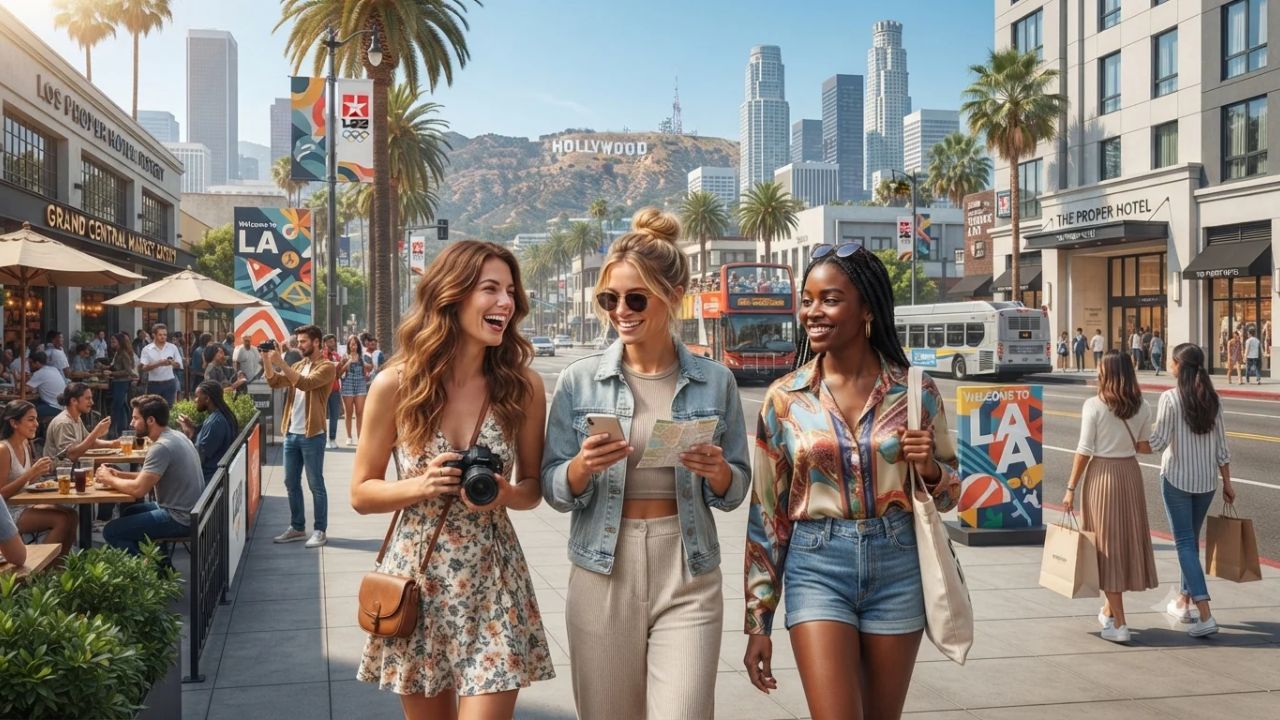
Image generated by AI
When the Summer Olympic Games return to Southern California in 2028, Los Angeles will become only the third city in history to host three separate Olympiads, following its historic 1932 and 1984 editions. Comprehensive economic projections from the Los Angeles County Economic Development Corporation estimate that the LA28 Olympic and Paralympic Games will generate between $20.5 billion and $40.6 billion in total regional economic output while supporting up to 224,000 jobs across Greater Los Angeles.
The Sustainable "No-Build" Revolution
Unlike previous host cities that constructed multi-billion-dollar stadiums destined to become underutilized concrete shells, Los Angeles is staging the 2028 Games under an ambitious "no-build" mandate. Every competitive event will utilize existing, world-class athletic facilities, university campuses, and temporary outdoor arenas seamlessly woven into the Southern California urban landscape.
This sustainable philosophy shifts the financial focus away from heavy construction and toward transit accessibility, community business procurement, and neighborhood revitalization. Visitor spending is poised to radiate outward from established tourism epicenters into independent cultural enclaves—from the Oaxacan culinary corridors of Mid-City to the vibrant gallery rows of the Arts District.
The citywide visitor blueprint curated by Discover Los Angeles ensures that travelers experience the true polycentric character of the metropolis. Rather than confining spectators to a centralized Olympic park, event clusters span across distinct geographic zones, encouraging visitors to explore coastal harbors, urban historic districts, and historic foothill neighborhoods.
Olympic Clusters: From Stadium Hubs to Coastal Arenas
The decentralization of Olympic events creates distinct geographic zones across the Los Angeles basin, each offering its own culinary, cultural, and architectural personality:
- Downtown Los Angeles (DTLA): Anchored by the Los Angeles Convention Center and Crypto.com Arena, the urban core pairs world-class cultural institutions like The Broad and the Walt Disney Concert Hall with restored 1920s historic theaters and vibrant culinary halls.
- Inglewood Sports & Entertainment District: Home to SoFi Stadium and the Intuit Dome, Inglewood has evolved into North America's premier high-tech stadium hub, surrounded by independent soul food kitchens and community jazz clubs.
- Long Beach Waterfront: Staging coastal and water-based competitions, Long Beach combines historic oceanfront piers with the Queen Mary maritime precinct, craft breweries, and expansive Pacific biking paths.
- Venice Beach & Santa Monica: Venice Beach will host the iconic Olympic triathlon, incorporating open-ocean swimming alongside the famous beachfront boardwalk, oceanfront skate park, and palm-lined bike trails.
Greater Los Angeles Olympic Zone Breakdown
| Destination Cluster | Primary Olympic Role | Cultural & Architectural Highlights | Public Transit Access |
|---|---|---|---|
| Downtown LA (DTLA) | Basketball, Gymnastics, Convention Hub | Walt Disney Concert Hall, Grand Central Market | 7th St/Metro Center (LA Metro A, B, D, E Lines) |
| Inglewood District | Swimming, Track & Field, Opening Ceremonies | SoFi Stadium, Intuit Dome, Market Street heritage | K Line light rail + dedicated event express shuttles |
| Long Beach Waterfront | Sailing, Rowing, Coastal Sports | Waterfront boardwalks, East Village Arts District | Metro A Line (Downtown Long Beach Station) |
| Venice Beach & Coast | Triathlon, Open Water Swimming, Beach Volleyball | Venice Canals, Abbot Kinney boutiques, Ocean Front Walk | Metro E Line to Downtown Santa Monica + coastal bike path |
| Exposition Park | Athletics & Historic Ceremonies | LA Memorial Coliseum (1932, 1984, 2028 host), Lucas Museum | Metro E Line (Expo Park/USC Station) |
Visitor Insider Tips for Navigating LA28
Mastering a trip to Los Angeles during high-volume global sporting events requires strategic planning and understanding the city's expanding rail network.
- Ditch the Rental Car for Rail Transit: Avoid notorious highway gridlock by utilizing the expanded Los Angeles County Metropolitan Transportation Authority (Metro) light rail network. The Regional Connector and D Line subway extensions allow travelers to ride seamlessly between Santa Monica, Downtown LA, and Hollywood without sitting in freeway traffic.
- Neighborhood Dining Micro-Hubs: Skip crowded chain restaurants near major stadiums. Venture into Koreatown for 24-hour barbecue and cold noodle houses, East LA and Boyle Heights for authentic street-taco trucks, or Little Tokyo for historic ramen counters.
- Beat the Midday Heat: Summer temperatures in inland valleys can easily exceed 90°F (32°C). Schedule outdoor stadium events and urban walking tours for morning hours, reserving coastal afternoons in Santa Monica, Manhattan Beach, or Malibu for ocean breezes.
- Regional Day Trips: Extend your Olympic itinerary beyond the city basin. Take the Pacific Surfliner train north to historic Santa Barbara, drive two hours east into the stargazing wilderness of Joshua Tree National Park, or venture north to the ancient groves of Sequoia and Yosemite.
Cultural and Environmental Context
Staging the world’s largest sporting event across a complex arid basin requires rigorous environmental stewardship. Under Los Angeles’ ambitious sustainability frameworks, LA28 is designed as a transit-first, zero-waste event. Organizers are deploying electric bus fleets, expanding stormwater capture reservoirs across parks, and enforcing strict single-use plastic bans across all spectator venues.
The cultural narrative of the Games is equally focused on social equity. Small business accelerator programs actively integrate minority-owned enterprises, culinary vendors, and local craft artisans into official Olympic supply chains.
By connecting sustainable transit investments with neighborhood cultural preservation, Los Angeles is pioneering a new global model for mega-events—one where international tourism revenue directly strengthens local public transit infrastructure and community resilience long after the closing ceremonies conclude.
FAQ: Visiting Los Angeles for LA28
When will the Los Angeles 2028 Olympic and Paralympic Games take place?
The Olympic Games are scheduled from July 14 to July 30, 2028, followed by the Paralympic Games from August 15 to August 27, 2028.
How will spectators travel between Olympic venues without a car?
LA Metro's expanded light rail and subway lines, combined with dedicated rapid bus shuttles and protected bicycle networks, connect all primary venue clusters across the county.
Are Olympic event tickets sold individually or as packages?
Official event tickets and hospitality passes will be distributed through authorized LA28 digital ticketing portals, featuring tiered single-session admissions and multi-day venue passes.
What is the best neighborhood to stay in for easy venue access?
Downtown Los Angeles (DTLA) offers the most connected transit hub with direct light rail access to Santa Monica, Exposition Park, Long Beach, and Pasadena.
Under the golden California sun, the true magic of Los Angeles lives not in stadium spotlights, but in the boundless creativity of its neighborhoods.
Related Travel Guides
American Airlines AAdvantage Guide 2026 How Systemwide Upgrades Unlock Holiday Business Class Cabins
Santa Barbara and Central Coast California Wine Country Transit Guide 2027
Disclaimer
This article is for informational and educational purposes only. It does not constitute legal, financial, or professional advice. While we strive to provide accurate and up-to-date information, travel policies, regulations, and conditions change rapidly. Always verify information with official sources before making travel decisions. Nomad Lawyer makes no representations about the accuracy, reliability, completeness, or suitability of the information provided. Readers should consult qualified professionals for advice specific to their circumstances. The views expressed in this article are those of the author and do not necessarily reflect the views of Nomad Lawyer.
Preeti Gunjan
Contributor & Community Manager
A passionate traveller and community builder. Preeti helps grow the Nomad Lawyer community, fostering engagement and bringing the reader experience to life.
Learn more about our team →