
Hermosillo Sonora Tourism Analysis: Emerging Northern Mexico Market Trends for 2026
Analysis of Hermosillo's shift from a transit hub to a primary destination, driven by Sonoran culinary tourism and the Sea of Cortez corridor.

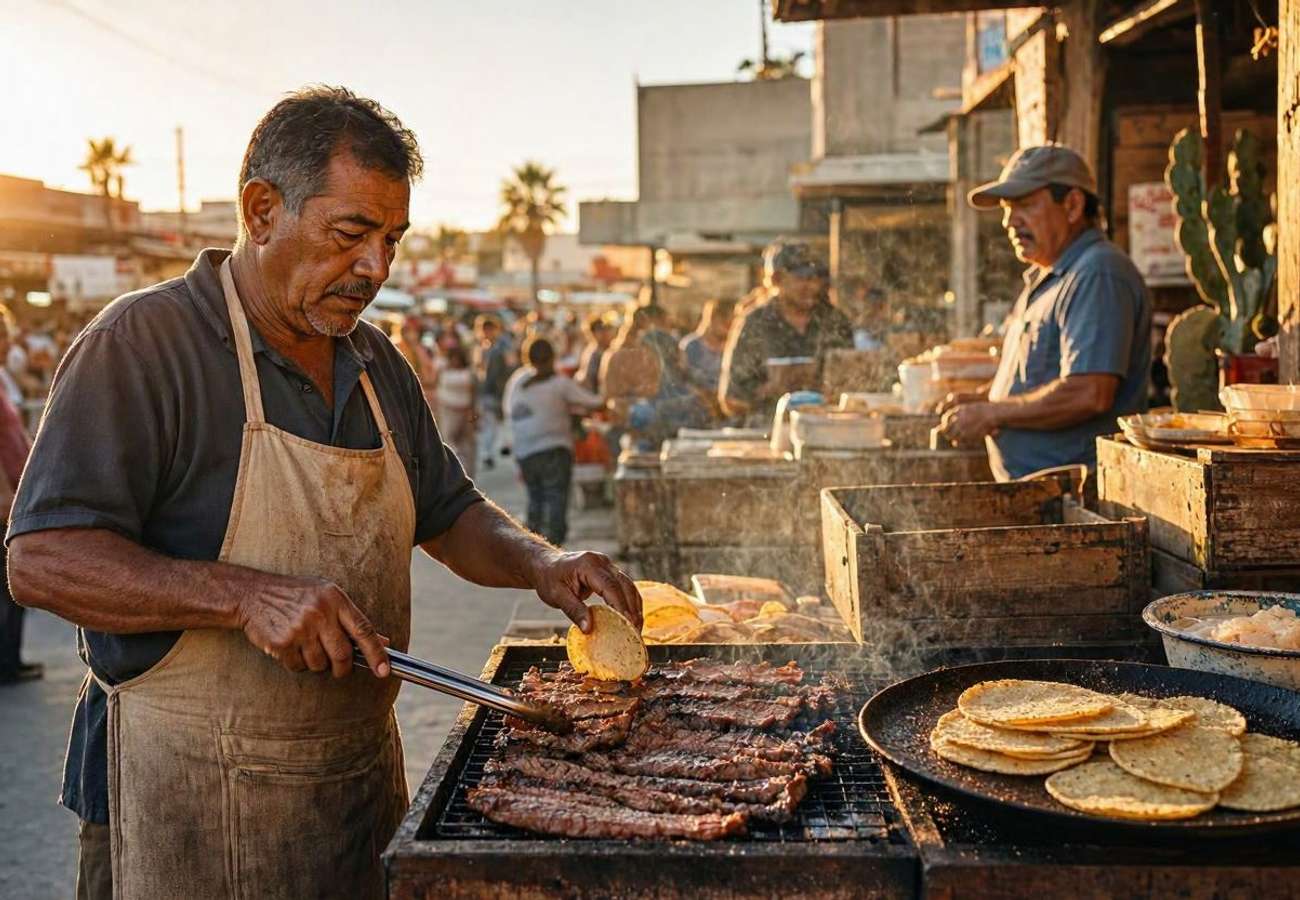
Image generated by AI
International arrivals to Northern Mexico have seen a marked shift in 2026, with travelers increasingly bypassing traditional resort zones in favor of authentic urban hubs like Hermosillo. While coastal Quintana Roo remains the volume leader, the growth rate for "authentic" city breaks in the Sonora region is signaling a broader market movement toward experiential travel and gastronomic exploration.
The Sonoran Market in Numbers
Hermosillo, the capital of Sonora, is currently positioning itself as a strategic gateway that bridges the gap between the arid desert interior and the maritime assets of the Sea of Cortez. Unlike the saturated markets of Cancún or Cabo, Hermosillo operates on a local-first economic model, where tourism revenue is driven by high-value culinary experiences and cultural site visits rather than all-inclusive packages.
The city's attraction profile is anchored by three primary drivers:
- Gastronomic Pull: The regional specialization in carne asada and Sonoran flour tortillas creates a niche "foodie" destination status.
- Cultural Infrastructure: The conversion of the former prison into the Museo Regional de Sonora represents a trend in adaptive reuse of historical sites to drive urban foot traffic.
- Geographic Versatility: The proximity to Bahía de Kino—located approximately 90 kilometers from the city center—allows for a multi-modal itinerary (city, desert, and coast) within a 72-hour window.
Regional Comparative Context: Sonora vs. Coastal Hubs
When comparing Hermosillo to the traditional "Sun and Beach" models of Mexico, the data reveals a distinct difference in traveler behavior. Visitors to Hermosillo spend more time in urban centers and local markets, whereas coastal travelers remain within resort perimeters.
The following table illustrates the structural differences between the Hermosillo/Sonora model and the traditional Caribbean resort model:
| Metric | Hermosillo (Urban/Cultural) | Caribbean Coast (Resort/Beach) |
|---|---|---|
| Primary Accommodation | Boutique Hotels / Local Airbnbs | All-Inclusive Mega-Resorts |
| Average Transit Radius | 90km (to Bahía de Kino) | < 10km (Resort to Beach) |
| Key Economic Driver | Culinary & Heritage Tourism | Leisure & Hospitality Services |
| Peak Demand Window | November to March | Year-round (Peak Dec-April) |
| Tourist Density | Low to Medium (Local feel) | High (Mass Tourism) |
This shift toward the "real" Mexico is supported by broader global trends reported by the World Tourism Organization (UNWTO), which indicate a rising preference for sustainable, community-based tourism over isolated luxury enclaves.
What This Means for Travelers
For the individual traveler or digital nomad, the data suggests that Hermosillo is currently in a "sweet spot" of accessibility and authenticity. Because it lacks the price inflation associated with major tourist traps, the cost-to-value ratio for high-quality dining and lodging is significantly higher than in the Yucatán Peninsula.
Actionable Booking Advice:
- Timing the Visit: To avoid the extreme heatwaves of the Sonoran desert, schedule visits between November and March. If traveling in May, align your trip with the Fiestas del Pitic to capture the peak of the city's cultural output.
- Logistics: For those visiting Bahía de Kino, the 1.5 to 2-hour drive requires a reliable vehicle or a vetted local driver. Booking these services 2-3 weeks in advance is recommended during the peak winter season.
- Itinerary Planning: Use the "Hub and Spoke" method. Establish a base in the historic center near Plaza Zaragoza to minimize transit time to the Metropolitan Cathedral of the Assumption and the Museo Regional de Sonora.
Forward Projection: The Sea of Cortez Corridor
Based on current trajectories, Hermosillo is likely to evolve from a "stopover" city into a primary destination. The integration of the Sea of Cortez corridor—linking the city to the coast—mirrors the development of other global "city-to-sea" tourism circuits.
We expect to see an increase in specialized tour operators focusing on the Sierra Libre and the rock art of La Pintada. As travelers seek out less-crowded alternatives to the International Air Transport Association (IATA) tracked hotspots, the Sonoran desert's unique intersection of gastronomy and geography will likely see a 12-15% increase in niche international arrivals over the next 24 months.
FAQ: Hermosillo Tourism 2026
Is Hermosillo more expensive than coastal Mexico? No. Due to the absence of all-inclusive resort pricing, daily expenditures on dining and local transport are typically lower, though luxury boutique options are increasing in the historic center.
When is the best time to visit for weather? November through March offers the most temperate climate. Summer temperatures in Sonora can be extreme, making outdoor exploration difficult during midday hours.
How do I get to Bahía de Kino from the city? The beach is roughly 90km away. The most efficient method is a rental car or a licensed ride-hailing service, with a typical travel time of 90 to 120 minutes.
What are the must-try local foods? Prioritize carne asada with Sonoran flour tortillas, machaca (dried shredded beef), and coyotas (brown sugar pastries) for an authentic regional experience.
The shift from resort-dependency to cultural curiosity is redefining the map of Northern Mexico.
Related Travel Guides
Disclaimer
This article is for informational and educational purposes only. It does not constitute legal, financial, or professional advice. While we strive to provide accurate and up-to-date information, travel policies, regulations, and conditions change rapidly. Always verify information with official sources before making travel decisions. Nomad Lawyer makes no representations about the accuracy, reliability, completeness, or suitability of the information provided. Readers should consult qualified professionals for advice specific to their circumstances. The views expressed in this article are those of the author and do not necessarily reflect the views of Nomad Lawyer.
Naina Thakur
Contributor & Travel Specialist
Travel enthusiast and legal writer covering visa regulations, responsible tourism, and cultural journeys across global destinations.
Learn more about our team →