
Travel London Whisky Tourism: World Awards Reshape Spirits Destination
World Whiskies Awards 2026 positions London as a premier spirits tourism hub, attracting luxury travelers seeking craft experiences and authentic distillery encounters in March 2026.

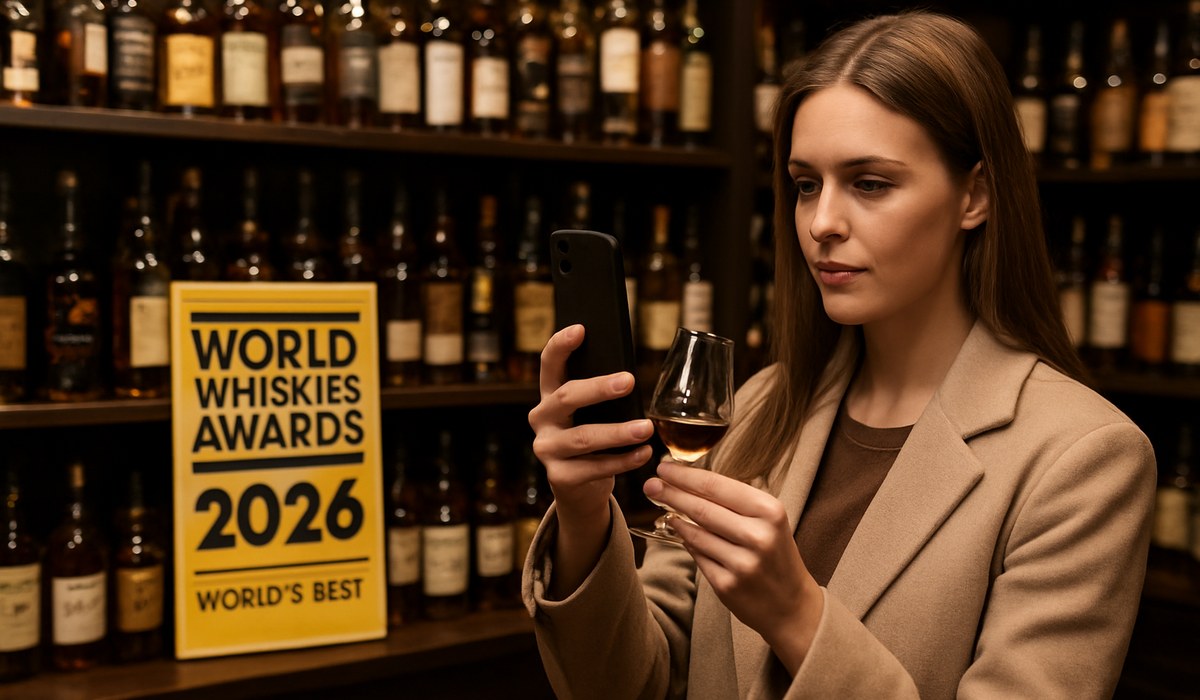
Image generated by AI
Quick Summary
- World Whiskies Awards 2026 elevates London's status as a top-tier spirits tourism destination
- Craft whisky experiences are driving high-value leisure travel to UK distilleries and tasting rooms
- Award-winning venues now offer curated tourist packages combining heritage, education, and luxury hospitality
- London competes globally for affluent travelers interested in experiential, beverage-focused tourism
London's whisky scene just received a transformative boost. The 2026 World Whiskies Awards have crystallised the city's emergence as a world-class spirits tourism destination, reshaping how international travellers approach luxury leisure in the British capital. What started as a niche interest among connoisseurs has evolved into a significant tourism segment, driving visitor spend and extending average stay lengths across the city's hospitality infrastructure.
The awards ceremony didn't merely celebrate exceptional bottles—it positioned London itself as an essential pilgrimage site for discerning travellers seeking authentic, knowledge-based experiences. This shift reflects broader global tourism patterns documented by the UNWTO, which increasingly tracks high-spending leisure segments beyond traditional sightseeing, with craft experiences commanding premium price points among affluent international visitors.
World Whiskies Awards 2026: London's Craft Spirits Moment
The World Whiskies Awards 2026 shone a global spotlight on London's flourishing spirits landscape. Unlike generic tourism infrastructure, this recognition validates decades of investment by independent bottlers, heritage distilleries, and contemporary craft producers who've transformed former industrial spaces into experience-driven destinations.
Several London-based distilleries secured prestigious category rankings, enhancing the city's credibility as a serious contender in the international spirits market. These accolades extend far beyond trophy value—they function as tourism marketing assets, directly influencing travel itinerary decisions among the affluent demographic that drives hospitality spending.
Industry observers note that award recognition accelerates discovery among travel planners and luxury concierge services. Hotels across London's five-star spectrum now integrate whisky tasting experiences into bespoke packages, recognising the high-margin opportunity within experiential tourism.
The Rise of Whisky Tourism as a Luxury Travel Experience
Whisky tourism occupies a distinctive position within the broader luxury travel ecosystem. Unlike cultural monuments or geographic features, whisky-centred trips demand active participation—visitors engage in tastings, distillery tours, blending workshops, and educational seminars that create multi-hour engagement pathways.
This participatory dimension commands premium pricing. A curated whisky experience package in London typically ranges from £150 to £600+ per person, depending on distillery rarity, guide expertise, and accompanying hospitality. Over three to five days, individual traveller expenditure within the whisky tourism vertical easily exceeds £2,000 per visitor when accommodation and dining are factored.
The National Geographic Travel segment increasingly documents craft tourism as a distinct travel category, acknowledging that heritage-based, production-focused experiences appeal to mature demographics with disposable income and lower price sensitivity. London's whisky tourism infrastructure aligns perfectly with these traveller profiles.
Venue operators report sustained growth in booking volumes throughout early 2026. Reservation windows have extended from weeks to months in advance, with many distillery tours selling out during peak tourist seasons. This demand surge reflects both improved accessibility—better marketing, clearer online booking systems—and genuine traveller appetite for substantive, knowledge-based leisure activities.
Distillery Experiences & Awards: What Travellers Can Expect
Contemporary whisky tourism in London extends well beyond the bottle purchase. Award-winning venues now structure multi-layered guest experiences that integrate history, craft mastery, and socialisation opportunities.
A typical premium distillery visit encompasses facility tours navigating production stages, expert-led tastings featuring award-winning expressions, and opportunities to participate in blending sessions where visitors create custom batches. Several locations add exclusive dining components, pairing house whiskies with specially designed menus prepared by Michelin-trained culinary staff.
Educational components strengthen the experience value proposition. Visitors learn about grain sourcing, fermentation variables, cask aging science, and flavour profile development. This knowledge accumulation transforms casual tourists into informed enthusiasts, extending post-visit engagement through continued purchasing, social media advocacy, and future return visits.
London's distilleries capitalise on the city's tourism infrastructure advantages. Central location accessibility means minimal transit times from hotels and attractions, allowing half-day experiences that integrate seamlessly into broader London itineraries. The Lonely Planet travel guide increasingly features these venues as essential experiences, positioning them alongside traditional museums and galleries within visitor recommendation hierarchies.
Awards directly enhance these visitor experiences through credibility signalling. Award-winning distillery venues leverage recognition in marketing materials, staff training emphasis, and guest communications. Travellers consciously select award-winning destinations, perceiving them as offering superior quality benchmarks and memorable experiences worth the premium pricing.
How London Positions Itself Against Global Whisky Destinations
London enters 2026 amid intensifying global competition for whisky tourism market share. Traditional strongholds—Scotland's Speyside region, Japan's distillery clusters, Kentucky's bourbon trail—maintain established visitor infrastructure and brand recognition. London's competitive differentiation rests on distinctive positioning strategies.
First, the city leverages urban accessibility. Scottish distillery tourism requires extended travel through rural regions; London's metropolitan concentration delivers multiple premier venues within short distances. Visitors accomplish comprehensive whisky education in single-day or weekend timeframes impossible elsewhere.
Second, London benefits from broader luxury hospitality expansion within the city. Premium hotel properties, Michelin-starred restaurants, and exclusive retail have undergone substantial development. This contextual luxury infrastructure elevates whisky experiences from isolated activities into integrated leisure ecosystems. Our analysis of the city's luxury hospitality expansion demonstrates how emerging destination sectors like spirits tourism integrate into comprehensive high-value visitor strategies.
Third, London employs premium destination strategies that differentiate craft offerings. Rather than competing on volume or price, London positions whisky tourism as an exclusive, knowledge-intensive pursuit attracting affluent, educated travellers. This aligns with broader premium destination strategies observed across European markets seeking to capture high-spending leisure segments through niche specialisation.
The World Whiskies Awards validate this positioning, signalling international recognition of London's whisky credentials. Award-winning status becomes a competitive moat, justifying premium pricing and supporting marketing claims about superior quality standards.
Practical Information for Whisky Tourism Visitors
Getting There: London remains easily accessible from international hubs, with Heathrow, Gatwick, and Stansted airports offering direct connections from major global cities. Visa requirements vary by nationality—UK visitor visas process efficiently for most Western nations through standard application procedures.
Best Season: Spring through autumn (March-October) offers optimal conditions, with distillery tours operating extended hours and outdoor venues hosting seasonal events. Winter remains feasible, though shorter daylight hours compress experience windows and occasional weather disruptions affect scheduling.
Currency & Costs: The British pound sterling prevails; current exchange rates (March 2026) reflect standard market fluctuations. Whisky experiences range from
Disclaimer
This article is for informational and educational purposes only. It does not constitute legal, financial, or professional advice. While we strive to provide accurate and up-to-date information, travel policies, regulations, and conditions change rapidly. Always verify information with official sources before making travel decisions. Nomad Lawyer makes no representations about the accuracy, reliability, completeness, or suitability of the information provided. Readers should consult qualified professionals for advice specific to their circumstances. The views expressed in this article are those of the author and do not necessarily reflect the views of Nomad Lawyer.
Preeti Gunjan
Contributor & Community Manager
A passionate traveller and community builder. Preeti helps grow the Nomad Lawyer community, fostering engagement and bringing the reader experience to life.
Learn more about our team →