
Bungendore Harvest Festival Celebrates Australian Agritourism Growth
Bungendore Harvest Festival 2026 positions women-led farming and sustainable agritourism as economic drivers for rural Australian destinations, redefining regional tourism strategy.

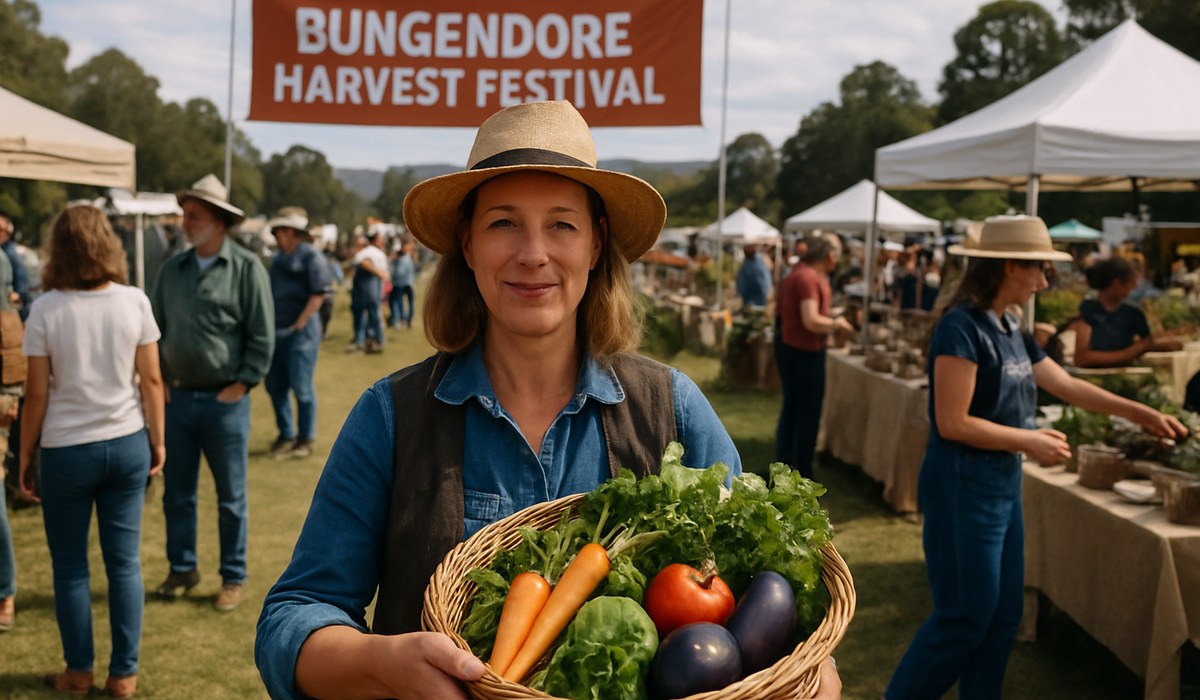
Image generated by AI
Quick Summary
- Bungendore Harvest Festival 2026 anchors a broader agritourism shift in rural Australia, moving beyond traditional hospitality models
- Women-led farming enterprises are now the economic backbone of the festival and local destination strategy
- The event demonstrates how farm-to-table experiences and food systems drive sustainable community tourism
- Regional developers across Australia are studying Bungendore's model to replicate agritourism success in their own territories
A small New South Wales inland town is becoming a blueprint for how regional Australia can build thriving tourism economies rooted in sustainable farming and female entrepreneurship.
The Bungendore Harvest Festival, now in its expansion phase for 2026, signals a fundamental shift in how destinations beyond Australia's major city centers approach visitor spending and economic resilience. Rather than competing for beach tourism or metropolitan conference business, Bungendore has positioned its agricultural heartland—and the women who steward it—as the primary attraction.
This pivot matters beyond the festival grounds. It represents a working example of how communities can monetize authenticity, strengthen food security, and create year-round employment without sacrificing environmental integrity. For nomads, slow travelers, and conscious consumers seeking deeper connections to destinations, the model offers something increasingly rare: tourism that genuinely benefits producers.
Bungendore Harvest Festival: Redefining Regional Tourism Through Local Agriculture
Bungendore sits roughly 30 kilometers south of Canberra in the Southern Tablelands, historically a quiet rural zone where farming sustained families but rarely attracted visitor attention. The 2026 Harvest Festival marks a turning point in how the town markets itself regionally and nationally.
The festival framework centers on celebrating the seasonal harvest cycle, showcasing produce from local growers, and creating direct transaction pathways between producers and consumers. Unlike festivals that operate as one-off entertainment draws, Bungendore's event functions as a year-round tourism anchor—a flagship date that builds momentum for farm visits, agritourism accommodation, and cooking classes throughout the calendar.
Local council representatives and business operators have publicly emphasized that the festival isn't designed primarily for profit extraction by external promoters. Instead, revenue flows back into farming infrastructure, farmer education, and rural community services. This principle aligns with UN World Tourism Organization frameworks for community-driven sustainable tourism, which stress local ownership and equitable benefit distribution as prerequisites for long-term destination health.
The festival's scale remains intentionally modest—it does not aim to attract hundreds of thousands of visitors. This constraint is strategic. Overcrowding degrades both the experience for travelers and the working capacity of farm operations. Small-group visits, booking requirements, and per-session caps ensure that each attendee receives substantive engagement with farming practices rather than passive consumption of a spectacle.
Women in Farming: The Economic Engine Behind Sustainable Agritourism
What distinguishes Bungendore's approach is its explicit centering of women farmers as economic and cultural authorities.
In Australia's broader agricultural sector, women represent approximately 40% of farming business operators, yet their contributions remain underrepresented in marketing and destination strategy. Bungendore has inverted this pattern by designing the festival around female-owned or female-operated enterprises: vegetable producers, livestock operations, dairy ventures, and value-added food manufacturers.
The festival programming includes direct storytelling from these operators—not as supplementary programming, but as the core content. Women farmers lead orchard tours, conduct cooking demonstrations using their own ingredients, host workshops on regenerative soil management, and participate in panel discussions about the business side of sustainable agriculture.
This visibility creates measurable economic outcomes. When travelers meet a woman who grows heritage heirloom vegetables or manages a certified organic goat dairy, they become customers for life. Direct-to-consumer sales channels—farm shop visits, subscription boxes, farmers' market relationships—now connect Bungendore's female-led operations to urban customers across Sydney, Melbourne, and Canberra. The festival serves as the relationship-building platform; the actual revenue generation continues throughout the year.
Rural development researchers have documented that agritourism enterprises led by women typically demonstrate stronger community integration and longer operational lifespans than conventional farming models. Women farmers are more likely to integrate education, hospitality, and environmental stewardship into their business plans. The Bungendore model validates these findings in practice.
From Farm to Festival: How Food Systems Drive Community-Based Tourism
The festival operates as a visible node in a broader food system redesign happening across the Southern Tablelands.
National Geographic Travel has extensively documented the global rise of farm-to-table experiences as a traveler expectation rather than a niche preference. Bungendore taps into this demand by making its food system legible to visitors. Attendees don't just purchase a vegetable or cheese; they understand where it originated, what farming methods produced it, and who made the economic decisions that shaped it.
This transparency model extends beyond the festival dates. Regional restaurants, cafes, and accommodation providers now source directly from Bungendore-area farmers. Farm-stay operators offer immersive experiences where guests participate in harvest activities, prepare meals from ingredients they gathered hours earlier, and sleep in buildings designed with environmental principles. These enterprises operate year-round, with the festival functioning as the marketing moment that drives booking awareness and credibility.
The food system angle also addresses a deeper traveler need. As research on slow travel and mindful tourism indicates, visitors increasingly seek experiences that allow genuine absorption and community connection rather than rapid consumption of attractions. A farm visit that spans several hours, involves physical engagement, and results in personal relationships with producers aligns precisely with this emerging preference.
Practical outcomes: Bungendore's farmers report that festival-originated relationships account for 25-35% of annual revenue at many enterprises. This isn't marginal supplement income—it's foundational to business viability, especially for smaller operations that struggle to compete with industrial agriculture on price.
Building the Agritourism Model: Lessons for Other Australian Regions
Bungendore's success is already prompting regional development conversations across rural Australia. Councils in Tasmania, South Australia, and inland Victoria are examining how to replicate key elements: women farmer visibility, direct-to-consumer infrastructure, year-round programming anchored to a signature festival, and explicit sustainability commitments.
The replication challenge is real. Bungendore possesses specific advantages: proximity to Australia's capital city (generating day-trip and weekend-trip traffic), established farming density, and an unusually collaborative business community that agreed to prioritize collaborative messaging over competitive isolation.
However, the core principles transfer. Any rural region with functional farming operations can build festival programming that centers producers as educators and authorities. Digital infrastructure—online farm shop platforms, booking systems for farm visits, social media storytelling from farmers themselves—requires modest investment but generates substantial visibility. Certification bodies and tourism operators must align messaging so that sustainability claims are verified rather than aesthetic.
The model also requires patience. Destination building through agritourism operates on longer timescales than event tourism or resort development. Traveler relationships deepen over years, not weeks. But the durability—and the fact that revenue directly sustains agricultural livelihoods rather than le
Disclaimer
This article is for informational and educational purposes only. It does not constitute legal, financial, or professional advice. While we strive to provide accurate and up-to-date information, travel policies, regulations, and conditions change rapidly. Always verify information with official sources before making travel decisions. Nomad Lawyer makes no representations about the accuracy, reliability, completeness, or suitability of the information provided. Readers should consult qualified professionals for advice specific to their circumstances. The views expressed in this article are those of the author and do not necessarily reflect the views of Nomad Lawyer.
Raushan Kumar
Founder & Lead Developer
Full-stack developer with 11+ years of experience and a passionate traveller. Raushan built Nomad Lawyer from the ground up with a vision to create the best travel and law experience on the web.
Learn more about our team →