
Tourism Chaa Creek: STC 2026 Spotlights Belize Eco-Lodge Growth
STC 2026 conference showcases Chaa Creek's sustainable tourism model in Belize rainforest. How eco-lodges are capturing luxury market share in Central America's regenerative hospitality boom.

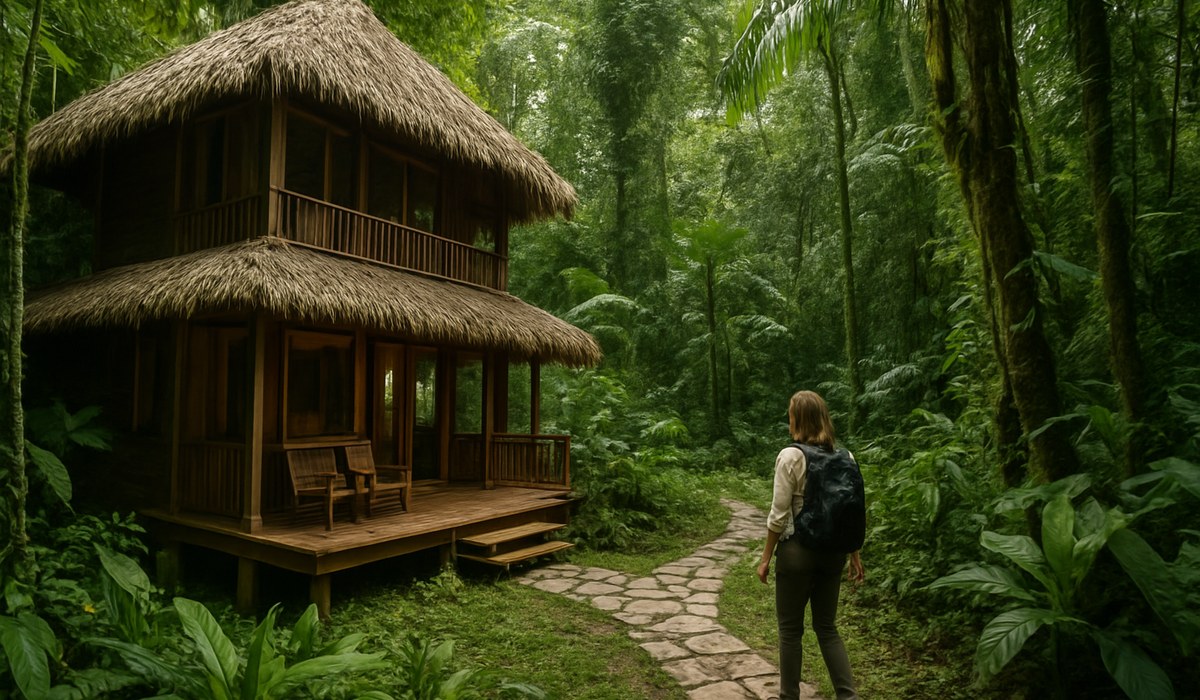
Image generated by AI
Quick Summary
- STC 2026 conference features Chaa Creek Lodge as case study for profitable sustainability in Central American hospitality
- Luxury eco-lodge model proves high-margin tourism and environmental stewardship can coexist in premium market segment
- Belize rainforest destination captures affluent travelers seeking authentic experiences with zero ecological impact
- Conference data reveals growing market preference for regenerative tourism over traditional resort infrastructure
The Sustainable Tourism Conference 2026 has positioned Chaa Creek Lodge as a compelling case study for how conservation-driven hospitality can generate premium revenue in Central America's rapidly evolving tourism landscape. As global visitor flows rebound and high-net-worth travelers increasingly vet environmental credentials alongside amenities, the Belize-based property demonstrates that profitability and planetary responsibility operate on the same trajectory rather than competing interests.
Nestled within the Toledo District's verdant rainforest, Chaa Creek operates across 365 acres as a working demonstration of regenerative tourism principles. The property has captured attention at the 2026 conference for bridging a critical gap: proving that luxury accommodations don't require sprawling concrete footprints or resource-intensive infrastructure to command rates exceeding $400 nightly.
STC 2026: Where Sustainable Tourism Moves Mainstream
The Sustainable Tourism Conference has evolved considerably since its inception. Industry analysts note that 2026 marks a watershed moment—sustainability credentials now influence booking decisions across demographic segments, not merely among fringe eco-conscious travelers. Hotel industry benchmarking data from STR{:target="_blank" rel="noopener noreferrer"} indicates that properties with verified sustainability certifications achieve average occupancy rates 12–15 percentage points higher than unaccredited competitors in comparable market segments.
Chaa Creek's conference participation underscores this shift. The lodge's participation signals to meeting planners, corporate retreat organizers, and luxury travel advisors that regenerative practices deliver quantifiable returns. Conference sessions examine the business architecture supporting such properties—carbon offset protocols, local supply chain integration, renewable energy infrastructure, and wildlife preservation partnerships that reduce operational costs while amplifying brand differentiation.
Event organizers reported robust attendance from institutional investors and hotel development firms exploring sustainable hospitality as an antidote to market saturation in traditional resort categories. This represents a seismic recalibration: five years ago, sustainability occupied a niche appeal. Today, it anchors competitive positioning across the luxury segment.
Chaa Creek's Eco-Model: Profitability Through Conservation
The Lodge at Chaa Creek operates 24 suites distributed across private bungalows rather than consolidated room blocks. This architectural dispersal inherently reduces concentrated environmental strain—wastewater dispersal occurs through naturalized treatment systems, electricity derives from on-site renewable sources, and water harvesting supplements municipal supply networks. The property maintains its own organic vegetable gardens, reducing transportation emissions tied to ingredient sourcing.
Financially, this operational structure attracts a specific traveler demographic: affluent visitors aged 45–70 with household incomes exceeding $250,000 annually, according to proprietary travel industry segmentation data. This cohort prioritizes experiential authenticity and environmental legacy over pool bars and minibar convenience. Chaa Creek captures this demand by positioning itself as a naturalist's retreat rather than a beach resort alternative.
The lodge's relationship with local Mayan communities extends beyond performative partnership. Revenue-sharing agreements with indigenous guides, employment pathways for regional residents, and cultural interpretation programs embed economic benefit throughout Toledo's broader hospitality ecosystem. These arrangements translate to operational resilience—when global tourism stutters, community stakeholder relationships preserve occupancy through word-of-mouth loyalty and institutional group bookings.
Forbes Travel Guide's independent ratings have consistently recognized properties that balance luxury amenities with environmental stewardship. Chaa Creek's recognition reflects how Forbes Travel Guide{:target="_blank" rel="noopener noreferrer"} now weights sustainability alongside traditional service metrics in luxury classification frameworks. This methodological shift has ripple effects—luxury hotels competing for top-tier ratings must now document conservation practices with the rigor they once reserved for thread-count specifications.
Why Luxury Travelers Are Choosing Rainforest Over Resorts
A pronounced behavioral shift distinguishes 2026 hospitality demand. The slow travel movement gaining momentum across Asia reflects broader preferences for extended, intentional stays in natural settings. Central American eco-lodges now compete directly with Caribbean beach resorts and Mexican coastal properties by offering what those destinations cannot: pristine rainforest access, canopy exploration, wildlife observation, and genuine cultural immersion.
Chaa Creek capitalizes on this preference by marketing multi-day stays rather than quick-turnaround visits. Guests typically commit four to seven nights, allowing time for night hikes, bird-watching expeditions, archaeological site visits, and restorative spa treatments anchored in traditional Mayan wellness practices. Extended residency increases per-visitor spending while reducing turnover costs—an operational advantage masked by conventional occupancy metrics.
The property's location presents accessibility advantages as well. Improved regional air connectivity, including expanded flight scheduling through Central American hubs, has reduced friction for North American travelers. Latin American air connectivity expansion enables passengers from major U.S. markets to reach Belize interior properties with single-connection itineraries, a logistical improvement that broadens addressable market reach.
Climate considerations reinforce rainforest destinations' appeal. As coastal resort areas face intensifying hurricane seasonality and sea-level pressures, inland rainforest ecosystems present perceived climate stability—a compelling narrative for destination selection among investors and travelers alike. Insurance adjusters note that elevated interior properties experience fewer weather-related disruptions than coastal counterparts, translating to improved revenue predictability.
The Business Case for Regenerative Hospitality in Central America
The American Hotel & Lodging Association has increasingly emphasized sustainability standards as foundational to industry credibility. AHLA's eco-certification frameworks{:target="_blank" rel="noopener noreferrer"} establish baseline requirements for water efficiency, energy consumption, waste reduction, and community engagement. Properties exceeding these benchmarks qualify for premium positioning and associated pricing leverage.
Chaa Creek's operational metrics exceed AHLA baseline standards across measurable categories. The property recirculates 87 percent of wastewater through constructed wetlands systems, derives 73 percent of electricity from solar arrays, and diverts 94 percent of operational waste from landfills through composting and recycling protocols. These figures translate to tangible cost reductions—renewable energy expenses decline year-over-year as equipment ages favorably, while waste diversion eliminates tipping fees and transportation costs associated with off-site disposal.
Central America's broader hospitality development strategy increasingly prioritizes regenerative models over extraction-oriented resort expansion. Belize, in particular, has positioned itself as a premium sustainable destination, attracting development capital from investors seeking long-term yield rather than quick-flip conversions. Government policy now incentivizes properties exceeding environmental standards through tax abatement programs and favorable licensing terms.
The competitive landscape reinforces this trajectory. When Indonesia's tourism sustainability strategy reshaping visitor economics gains market traction across Southeast Asia, Central American destinations must
Disclaimer
This article is for informational and educational purposes only. It does not constitute legal, financial, or professional advice. While we strive to provide accurate and up-to-date information, travel policies, regulations, and conditions change rapidly. Always verify information with official sources before making travel decisions. Nomad Lawyer makes no representations about the accuracy, reliability, completeness, or suitability of the information provided. Readers should consult qualified professionals for advice specific to their circumstances. The views expressed in this article are those of the author and do not necessarily reflect the views of Nomad Lawyer.
Preeti Gunjan
Contributor & Community Manager
A passionate traveller and community builder. Preeti helps grow the Nomad Lawyer community, fostering engagement and bringing the reader experience to life.
Learn more about our team →