
Japan’s Evolution into a Premier LGBTQ+ Destination: Luxury, Culture, and Inclusive Travel
Discover how Japan is becoming a top LGBTQ+ destination. Explore inclusive luxury hospitality, queer districts in Tokyo and Osaka, and authentic cultural gems.
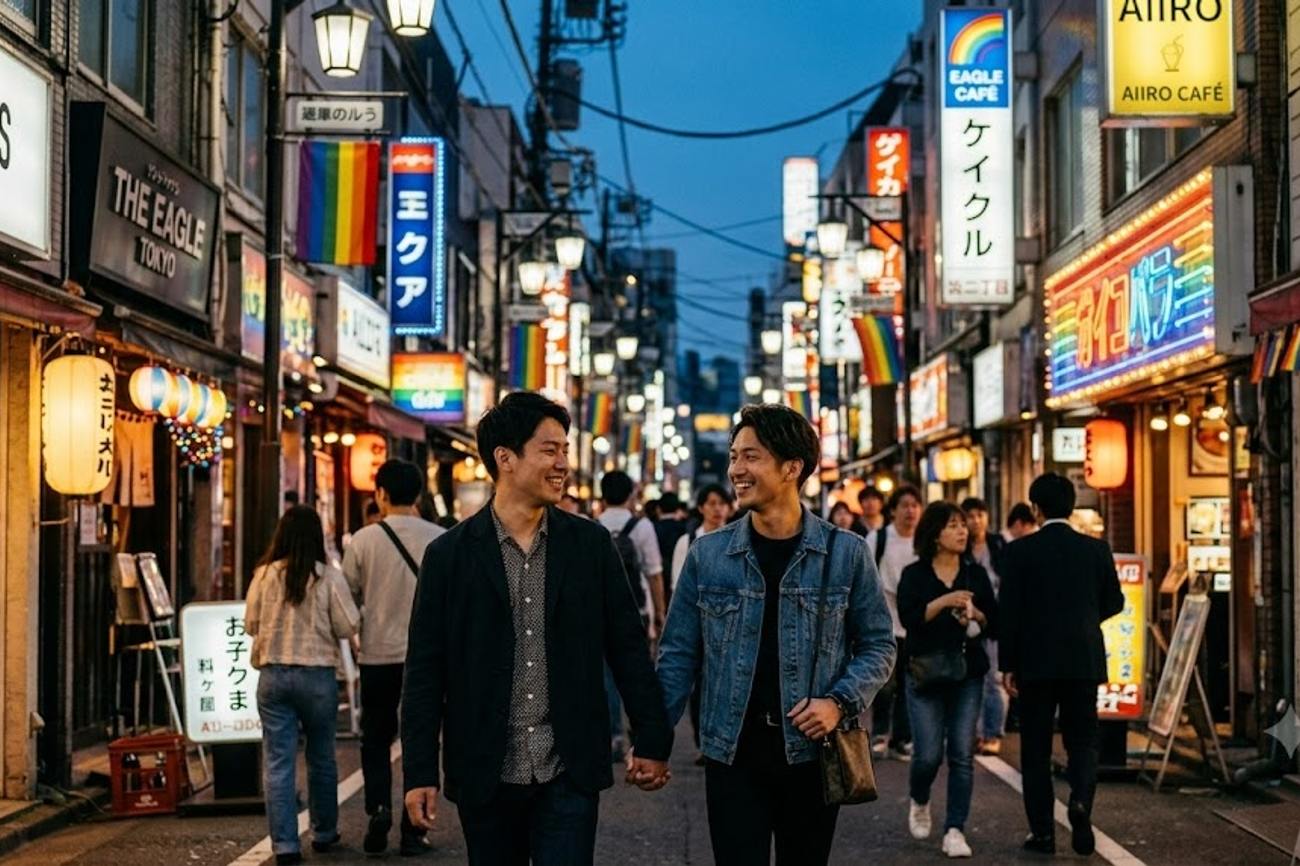
Image generated by AI
Japan’s Shift Toward Inclusive Tourism
Japan is currently witnessing a significant rise in its appeal as a primary destination for LGBTQ+ international visitors. This shift is driven by a unique intersection of world-class safety, meticulous organization, and a growing openness toward diverse identities. While the country is globally renowned for its seasonal landscapes and futuristic urban centers, a deeper movement toward inclusivity is allowing queer travelers to engage with the culture on a more personal and authentic level.
Industry reports indicate that the modern LGBTQ+ traveler is moving away from checklist-style sightseeing. Instead, there is a growing demand for "information gain"—experiences that provide a genuine connection to local communities and a nuanced understanding of Japanese society. By moving beyond the primary landmarks, visitors are discovering a Japan that values respect and hospitality regardless of orientation or gender identity.
Mapping the Queer Landscape: Tokyo and Osaka
For those seeking visible community hubs, Japan’s major metropolitan areas serve as the primary gateways. These cities provide the necessary infrastructure for queer socialization, ranging from dedicated nightlife districts to inclusive social venues.
Tokyo’s Shinjuku Ni-chōme stands as one of the most concentrated LGBTQ+ neighborhoods in Asia. Characterized by a dense network of small, intimate bars, the district offers a stark contrast to the towering skyscrapers of the surrounding city. Here, the experience is defined by proximity and conversation, allowing visitors to interact with local residents in a low-pressure, welcoming environment.
Similarly, Osaka provides a vibrant alternative in the Doyama district. As a cornerstone of the region's queer culture, Doyama offers a diverse array of social spaces that reflect Osaka's generally more outgoing and boisterous personality compared to Tokyo. These urban centers act as safe harbors where travelers can connect with the local community before venturing into the more traditional heartlands of the country.
Beyond the Tourist Path: Accessing Authentic Culture
While the magnetism of Mount Fuji, Tokyo Tower, and the historic temples of Kyoto remains undisputed, travel experts suggest that the most rewarding journeys occur in the spaces between these landmarks. Japan’s LGBTQ+ culture often operates through a network of personal connections and smaller, community-led spaces rather than large-scale public festivals.
Engaging with these "hidden" gems allows travelers to experience a side of Japan that is rarely captured in brochures. By prioritizing neighborhood exploration over monument-hopping, visitors can facilitate meaningful cultural exchanges. These intimate interactions—whether in a small gallery, a family-run eatery, or a community center—often provide the most profound insights into the current social evolution of the country.
An optimized itinerary for the modern traveler balances the "must-see" icons with these curated, local experiences, ensuring the trip is both comprehensive and emotionally resonant.
Redefining Luxury Through Omotenashi
The Japanese approach to high-end travel differs fundamentally from Western concepts of luxury. Where other destinations might prioritize scale, opulence, and spectacle, Japan focuses on the philosophy of omotenashi—the art of selfless, anticipatory hospitality.
In the context of LGBTQ+ travel, this attention to detail translates into an environment where guests feel seen and valued without the need for overt labels. Luxury is found in the precision of service, the tranquility of the environment, and the emotional intelligence of the staff.
For those seeking premium accommodations, the options range from international luxury brands in Tokyo and Osaka to traditional Japanese inns known as ryokans. Notable recommendations for those seeking a blend of authenticity and high-end service include:
| Accommodation Type | Recommended Properties | Key Experience |
|---|---|---|
| Traditional Ryokan | Ryokan Kurashiki, Naoshima Ryokan Roka | Authentic architecture, seasonal cuisine, and peaceful surroundings |
| Urban Luxury | International 5-Star Brands (Tokyo, Kyoto, Osaka) | Modern amenities combined with high-standard Japanese service |
For the LGBTQ+ visitor, the selection of a welcoming property is more than a matter of comfort; it is a critical component of a stress-free travel experience.
Strategic Planning: Avoiding the "Overcrowded" Itinerary
A common pitfall for first-time visitors is the attempt to conquer Japan’s vast diversity in a single trip. From the tropical beaches of Okinawa to the rugged wilderness of Hokkaido, the geographical and cultural variance is immense. Attempting to visit every major city often results in a rushed experience that contradicts the peaceful nature of Japanese travel.
To maximize the quality of the journey, industry observers recommend a "slow travel" methodology. This involves spending more time in fewer locations, allowing for a deeper dive into regional traditions and local gastronomy.
Logistically, travelers can optimize their time by utilizing "open-jaw" flight itineraries. For example, arriving at a Tokyo airport and departing from an Osaka airport eliminates the need for a redundant return trip across the country, saving valuable hours and reducing travel fatigue. While the Shinkansen (bullet train) network makes multi-city transit seamless, the value of the trip is measured by the quality of the moments spent in each location, not the number of stamps in a passport.
The Role of Specialized Planning in Inclusive Travel
Navigating a foreign culture with specific needs can be daunting, particularly in a country where language barriers and subtle social cues play a significant role. This is where professional travel curation becomes an asset.
Specialists can bridge the gap between a standard tourist experience and a deeply personalized journey. For LGBTQ+ travelers, this expertise is invaluable for identifying "safe spaces," securing boutique accommodations that are known for inclusivity, and arranging access to community-focused activities that are not advertised publicly.
From organizing private traditional ceremonies to curating hidden food tours, expert guidance ensures that the traveler can focus on the experience rather than the logistics.
Why This Matters: The Traveler's Perspective
For the LGBTQ+ traveler, visiting Japan is no longer just about seeing the sights; it is about navigating a society in transition. From a logistical standpoint, the shift toward inclusive luxury means that the "risk" associated with queer travel in Asia is diminishing, replaced by a sophisticated infrastructure of hospitality.
For the user, this means the ability to blend high-end comfort with genuine social exploration. The real value of a trip to Japan today lies in the contrast: the ability to spend a morning in a silent, ancient temple and an evening in a vibrant, queer-owned bar in Shinjuku. This duality creates a travel experience that is both intellectually stimulating and emotionally safe.
Related Travel Guides
Disclaimer
This article is for informational and educational purposes only. It does not constitute legal, financial, or professional advice. While we strive to provide accurate and up-to-date information, travel policies, regulations, and conditions change rapidly. Always verify information with official sources before making travel decisions. Nomad Lawyer makes no representations about the accuracy, reliability, completeness, or suitability of the information provided. Readers should consult qualified professionals for advice specific to their circumstances. The views expressed in this article are those of the author and do not necessarily reflect the views of Nomad Lawyer.